Mideast on Edge: U.S. Withdraws Diplomats as Iran Strike Preparations Intensify
The United States has initiated the withdrawal of non-emergency government personnel and their families from Saudi Arabia, a move prompted by a significant escalation in attacks by Iran-aligned Houthi forces targeting civilian infrastructure within the kingdom. This diplomatic repositioning unfolds amidst reports of intensified military planning by both U.S. and Israeli forces for potential renewed strikes against Iran following next month’s midterm elections.
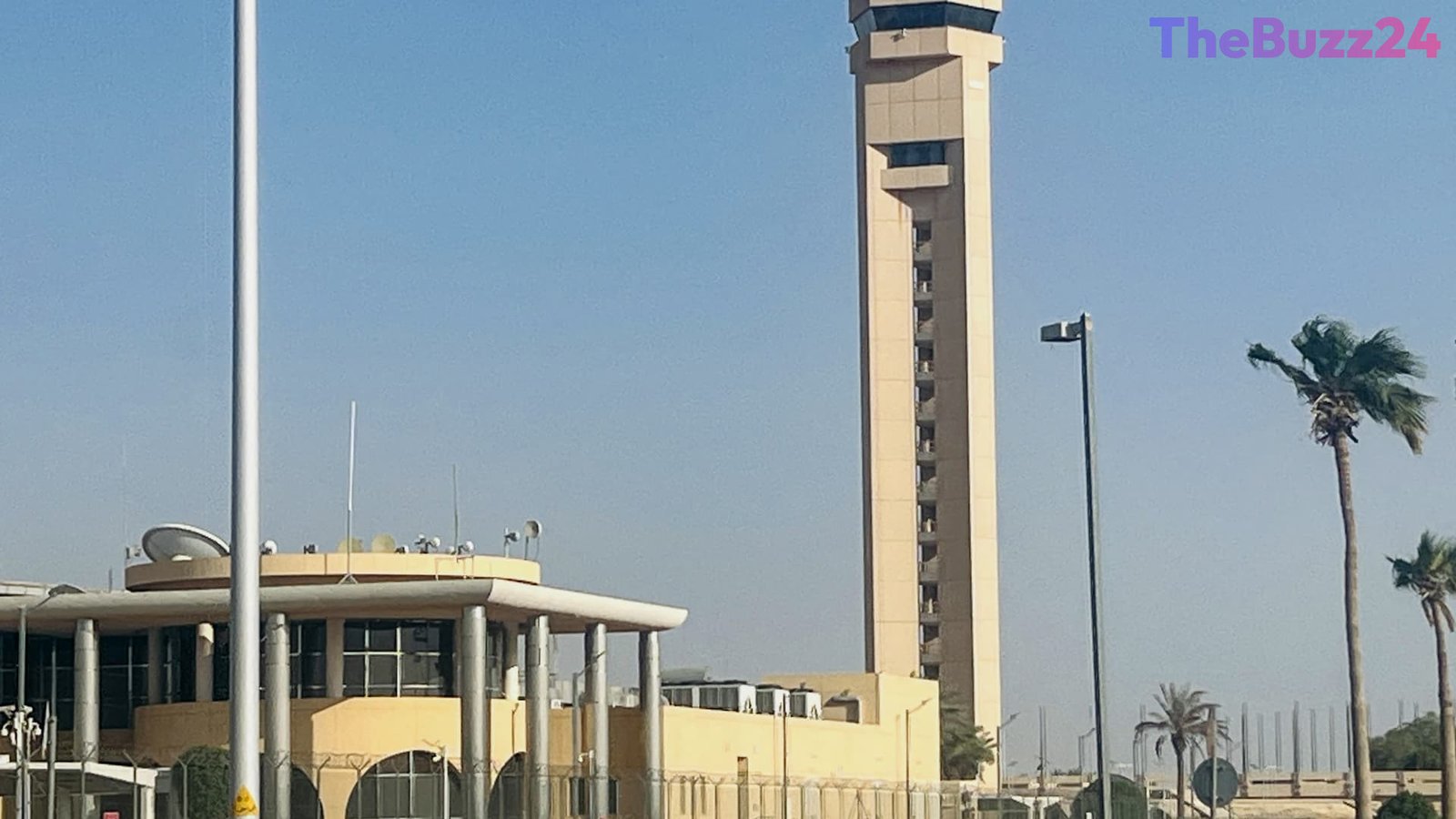
Recent developments underscore the heightened tensions in the region. Reports indicate that U.S. and Israeli military strategists have formulated specific plans for a “short but intensive” operation, with preparations actively advancing. This comes as Houthi attacks have grown more frequent and severe, including a recent strike on King Fahd International Airport in Dammam, which resulted in at least one fatality and several injuries. Additionally, a drone attack on Saudi Aramco’s Shaybah oil field claimed two lives, though operations at the facility reportedly remained unaffected. In response to the escalating threats, U.S. and Israeli militaries have increased joint exercises, including aerial maneuvers over Iraq, and high-level discussions have taken place between Defense Secretary Pete Hegseth and Israeli Prime Prime Minister Benjamin Netanyahu regarding potential new military actions.
Should these renewed military operations proceed, potential targets are believed to include Iran’s critical energy infrastructure, nuclear facilities, and its extensive missile and drone arsenal. However, President Donald Trump has reportedly exercised caution, having previously vetoed plans for major combat operations this year. Concurrently, Iranian officials have vowed to broaden their retaliatory attacks to encompass data centers and undersea internet cables, while maintaining a firm stance against concessions on their nuclear program. These geopolitical uncertainties have sent ripples through global commodity markets, with Brent crude futures surpassing $110 a barrel and West Texas Intermediate also seeing gains.
The global oil market is further influenced by China’s recovering demand, which is expected to drive prices higher. China’s crude import demand is on an upward trajectory, fueled by increasing refinery throughput and a rapid depletion of crude inventories, which saw the fastest drawdown on record in September. While China still holds substantial oil reserves, the country’s state-owned refiners are reportedly seeking to secure prompt Middle Eastern barrels, and independent refiners are exploring alternatives to Iranian crude, signaling a shift in global oil procurement strategies amidst the volatile regional landscape.
Key Takeaways
- The U.S. has ordered the withdrawal of non-emergency personnel from Saudi Arabia due to escalating Houthi attacks on civilian targets.
- U.S. and Israeli militaries are reportedly advancing plans for potential renewed strikes against Iran following the upcoming midterm elections.
- Global oil prices, including Brent crude, have risen significantly amidst heightened regional tensions and recovering demand from China.
Editor’s Analysis & Impact
The escalating tensions in the Middle East, marked by diplomatic withdrawals and reported military strike preparations, signal a significant increase in geopolitical risk. This situation will undoubtedly impact global energy markets, likely sustaining a risk premium on oil prices and potentially leading to further volatility. Any military action against Iran’s energy infrastructure or shipping lanes in the Strait of Hormuz could trigger severe supply disruptions, with global economic repercussions. The broader implications extend to the delicate balance of power in the region, potentially undermining ongoing diplomatic efforts regarding Iran’s nuclear program and fostering a more confrontational environment. Businesses operating in the region or reliant on global supply chains should prepare for increased uncertainty and potential disruptions, while investors will closely monitor developments for their impact on commodity prices and international relations.
Frequently Asked Questions
Q: Why are U.S. diplomats being withdrawn from Saudi Arabia?
A: The U.S. ordered the withdrawal of non-emergency government employees and their families from Saudi Arabia due to escalating attacks by Iran-aligned Houthi forces on civilian targets within the kingdom.
Q: What are the potential targets if military strikes against Iran occur?
A: Reported plans suggest potential military strikes could target Iran's energy infrastructure, nuclear facilities, and its arsenal of missiles and drones.
Q: How have these developments affected global oil prices?
A: Global oil prices, including Brent crude futures, have risen significantly, topping $110 a barrel, reflecting the increased geopolitical risk and potential for supply disruptions in the Middle East.
AI Disclosure: This article is based on verified data and official reports. Our Team and AI have cross-referenced every financial detail with primary sources to ensure total accuracy.
More from this Category