Maine Senate Race: Tariffs and Rising Costs Dominate Battle Between Collins and Jackson
The economic fallout from President Donald Trump’s tariffs and escalating diesel prices is significantly impacting Maine’s crucial lobster industry and shaping the state’s closely watched Senate race. Incumbent Republican Senator Susan Collins faces a tight challenge from Democratic challenger Troy Jackson, with polls indicating a narrow lead for Jackson.
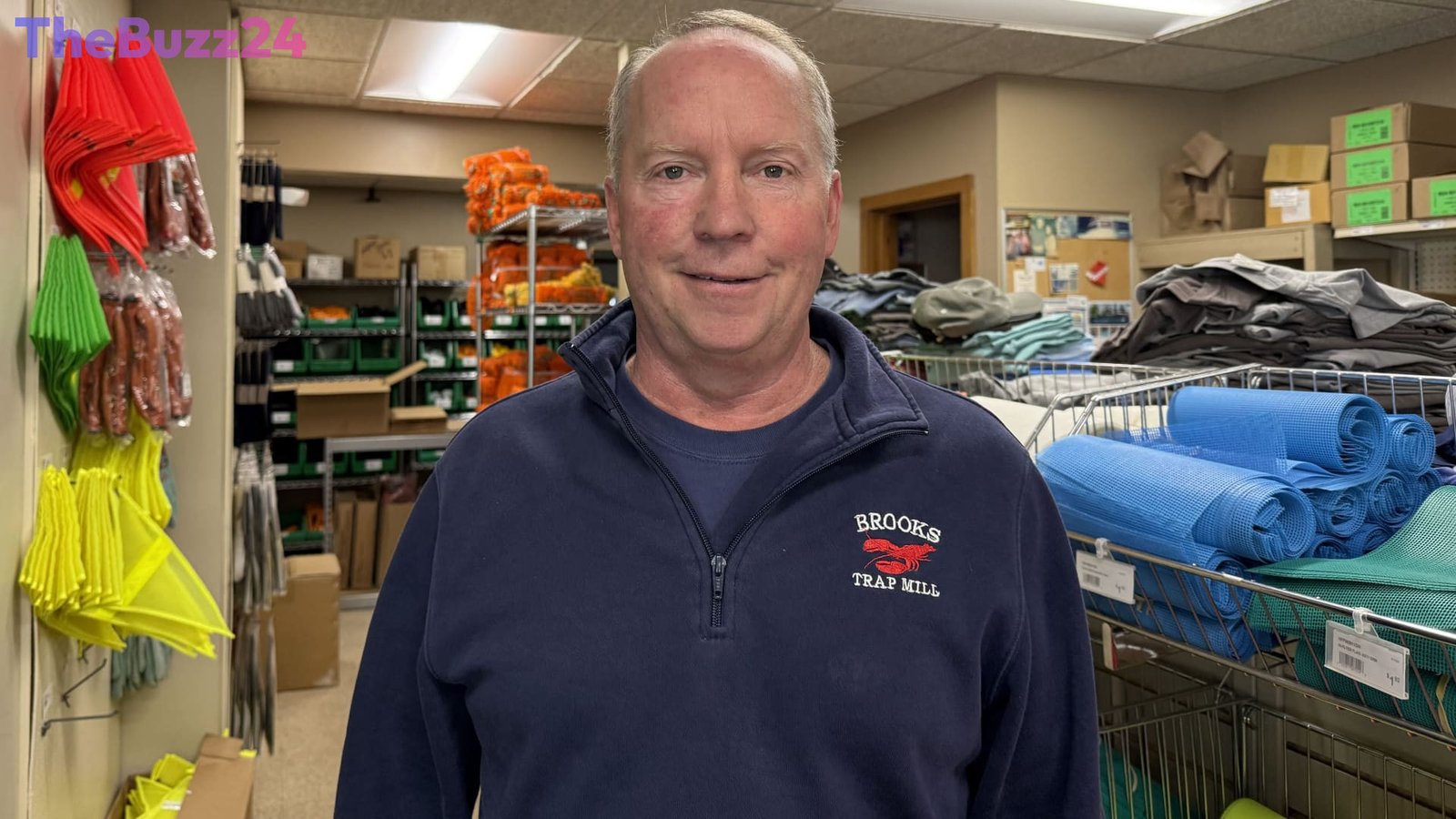
Small businesses in Maine, heavily reliant on trade with Canada, are bearing the brunt of these economic pressures. Mark Brooks, a third-generation lobster trap manufacturer, described the current business climate as the “worst… in 40 years.” His company, Brooks Trap Mill, has seen a 20% price increase from its domestic wire mesh supplier following new steel tariffs, while retaliatory Canadian tariffs on U.S. lobster traps have decimated his annual shipments to Canada. The rising cost of diesel fuel further exacerbates the situation, leading to freight surcharges and reduced sales as lobstermen cut back on expenses.
Maine’s economy is particularly vulnerable, with over 40% of its exports directed to Canada. This vulnerability, coupled with rising costs for essential goods like home heating oil, has placed tariffs and affordability at the forefront of the election. A recent poll revealed that over 90% of likely Maine voters consider the state’s economy to be in “fair” or “poor” condition, with a majority believing the state is headed in the wrong direction. This widespread dissatisfaction raises questions about whether voters will hold Senator Collins accountable for the economic challenges, despite her long-standing reputation for independence.
Both Collins and Jackson have publicly opposed the tariffs, but they differ on the approach and responsibility. Collins highlights her efforts to secure exemptions for key Maine products like concrete and road salt, while Jackson argues that Congress should have prevented the tariffs entirely and that Collins, despite her seniority, has not done enough. Jackson’s campaign contends that Collins’s party affiliation makes her complicit, while Collins’s team emphasizes her ability to deliver tangible results for the state. Despite the complexities, some lobstermen, while critical of the tariffs’ impact, credit Collins for her past support of the industry, suggesting a potential for split-ticket voting.
Key Takeaways
- Tariffs imposed by President Trump and rising diesel prices are negatively impacting Maine's economy, particularly its lobster industry.
- The economic concerns are a central issue in the tight Maine Senate race between incumbent Susan Collins and challenger Troy Jackson.
- While both candidates oppose the tariffs, they differ on who is responsible and how best to address the economic damage to the state.
Editor’s Analysis & Impact
The economic headwinds facing Maine, driven by trade disputes and energy costs, present a critical test for Senator Collins’s re-election bid. Her ability to navigate the political tightrope between supporting her party and addressing constituent concerns about tariffs will be crucial. The situation underscores a broader national trend where economic anxieties are increasingly influencing electoral outcomes, especially in states with strong ties to international trade. The outcome in Maine could signal whether voters prioritize national economic policies or local industry impacts when casting their ballots, potentially influencing how other Republican incumbents in similar competitive races approach these issues.
Frequently Asked Questions
Q: What are the main economic issues affecting Maine in this election?
A: The primary economic issues are the tariffs imposed by President Trump on goods from Canada and other countries, as well as the rising cost of diesel fuel. These factors are increasing costs for businesses, particularly in the lobster industry, and contributing to broader affordability concerns for residents.
Q: How do Susan Collins and Troy Jackson differ on the issue of tariffs?
A: Both Senator Collins and Troy Jackson have stated their opposition to the tariffs. However, Collins emphasizes her role in negotiating exemptions for certain Maine products, while Jackson argues that the tariffs should have been prevented altogether and that Collins has not done enough to protect the state's economy.
Q: What is the current political standing in the Maine Senate race?
A: The race between incumbent Republican Senator Susan Collins and Democratic challenger Troy Jackson is considered a 'toss up.' Polls indicate a very close contest, with Jackson holding a slight average lead of about 2 percentage points.
AI Disclosure: This article is based on verified data and official reports. Our Team and AI have cross-referenced every financial detail with primary sources to ensure total accuracy.
More from this Category