AIPAC Overhauls Political Strategy Amid Mounting Backlash
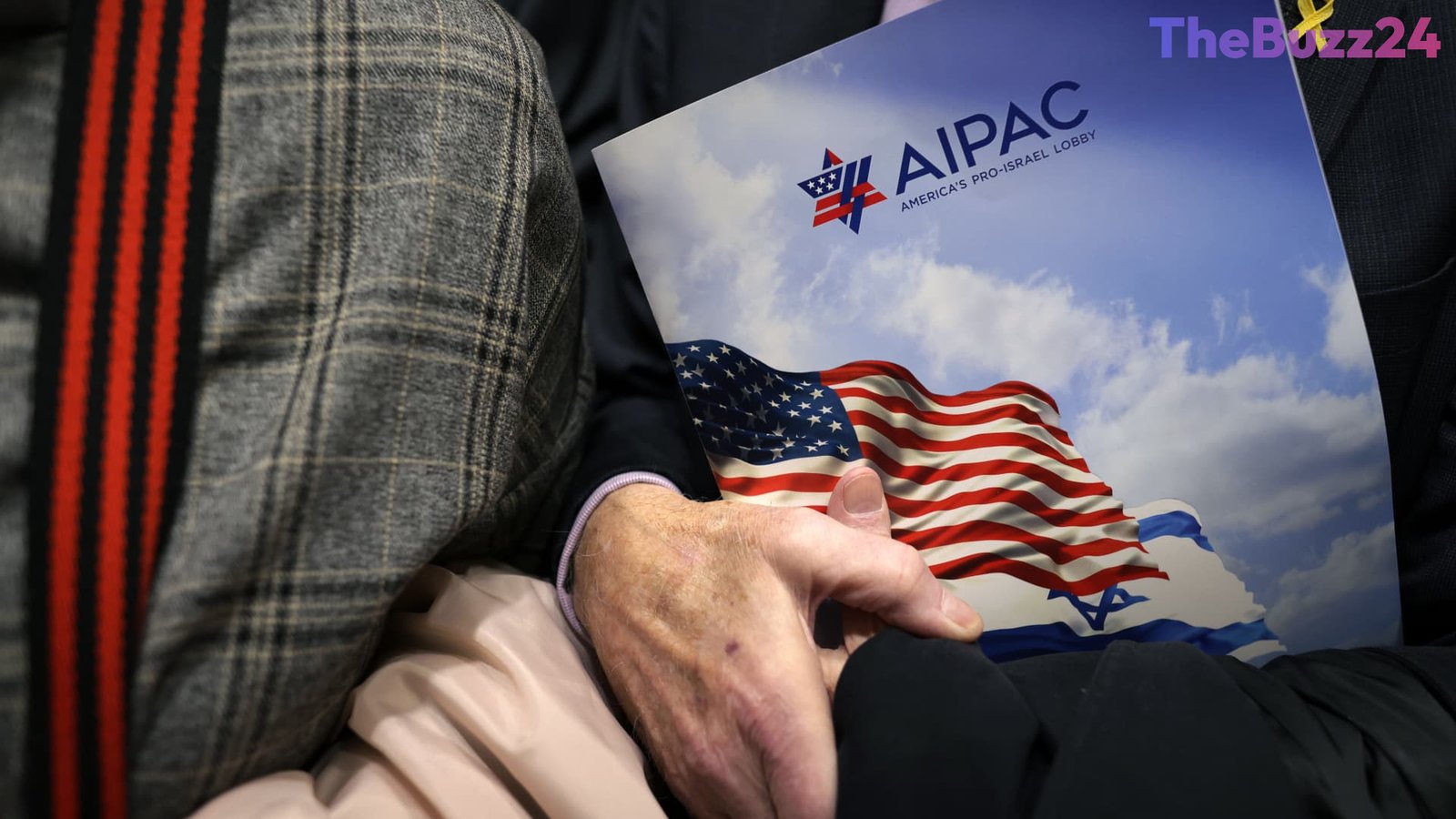
The American Israel Public Affairs Committee (AIPAC) is significantly altering its political engagement strategy, discontinuing direct candidate endorsements, traditional PAC contributions, and earmarked donations. This pivot marks a reversal of a policy adopted in 2021 and comes as the influential pro-Israel advocacy group faces increasing political scrutiny, particularly within Democratic primaries, largely fueled by the ongoing conflict in Gaza.
While stepping back from these more visible forms of direct political giving, AIPAC confirmed it will continue to operate its United Democracy Project super PAC. The organization plans to shift its emphasis towards mobilizing individual donors to contribute directly to candidates. This strategic adjustment could potentially make AIPAC’s financial influence less transparent in campaign finance records, as direct donations from members would not carry the same identifying label as previously earmarked contributions.
The decision reflects a challenging political environment, which AIPAC itself described as one of the most difficult in recent memory, with expectations for these challenges to intensify. Public sentiment, particularly among Democrats, has shifted; a recent survey indicated that 80% of Democrats and Democratic-leaning independents hold an unfavorable view of Israel, a significant increase from 53% in 2022. This growing opposition has led some candidates to attack rivals for accepting AIPAC support and prompted lawmakers to pledge rejection of funds tied to the group.
Despite its substantial financial deployments in past election cycles—including approximately $105.1 million through its traditional PAC and affiliated super PAC this cycle, with its traditional PAC being the largest contributor to candidates in 2025—AIPAC has also experienced notable defeats. For instance, its United Democracy Project super PAC spent over $30 million in Michigan’s Democratic Senate primary, supporting one candidate against another who ultimately secured the nomination. The continued operation of the super PAC ensures AIPAC retains its capacity to raise unlimited sums for independent political spending, even as its direct involvement with candidate campaigns becomes less overt.
Key Takeaways
- AIPAC is ceasing direct candidate endorsements, traditional PAC contributions, and earmarked donations, reversing a 2021 strategy.
- The organization will now focus on its United Democracy Project super PAC and mobilizing individual donors to contribute directly to campaigns.
- This strategic shift is a response to growing political backlash and scrutiny, particularly among Democrats, concerning the conflict in Gaza.
Editor’s Analysis & Impact
AIPAC’s strategic overhaul signals a significant adaptation to the evolving political landscape, particularly the increasing polarization surrounding U.S.-Israel relations. By moving away from direct PAC contributions and endorsements, the group aims to mitigate political liabilities and potentially obscure the direct link between its funding and candidates, making its influence harder to track in traditional campaign finance disclosures. This shift could empower individual donors more, but the continued operation of its super PAC ensures its capacity for substantial independent expenditures remains intact. The long-term implications include a potential decrease in transparency in political funding and a more complex environment for candidates navigating pro-Israel advocacy, especially within the Democratic Party where sentiment towards Israel has notably soured. This move could redefine how powerful advocacy groups operate in an era of heightened public scrutiny.
Frequently Asked Questions
Q: What specific changes is AIPAC making to its political strategy?
A: AIPAC is discontinuing direct candidate endorsements, traditional PAC contributions, and earmarking donations to candidates. This reverses a strategy adopted in 2021.
Q: Why is AIPAC changing its approach to political engagement?
A: The change is a response to growing political backlash and scrutiny, particularly within Democratic primaries, largely due to the ongoing conflict in Gaza and shifting public sentiment towards Israel.
Q: Will AIPAC's political influence diminish with these changes?
A: While AIPAC is ending some direct forms of engagement, it will continue to operate its United Democracy Project super PAC and focus on mobilizing individual donors. This means it retains significant capacity for independent political spending, though its influence may become less overtly visible in campaign finance records.
AI Disclosure: This article is based on verified data and official reports. Our Team and AI have cross-referenced every financial detail with primary sources to ensure total accuracy.
More from this Category