Uber Scales AI Integration by Providing ChatGPT Work to Entire Global Workforce
Uber has officially expanded its partnership with OpenAI, announcing that its entire global workforce of 30,000 employees will now have access to ChatGPT Work. This move marks a significant transition from a limited pilot program to a company-wide deployment of enterprise-grade artificial intelligence tools.
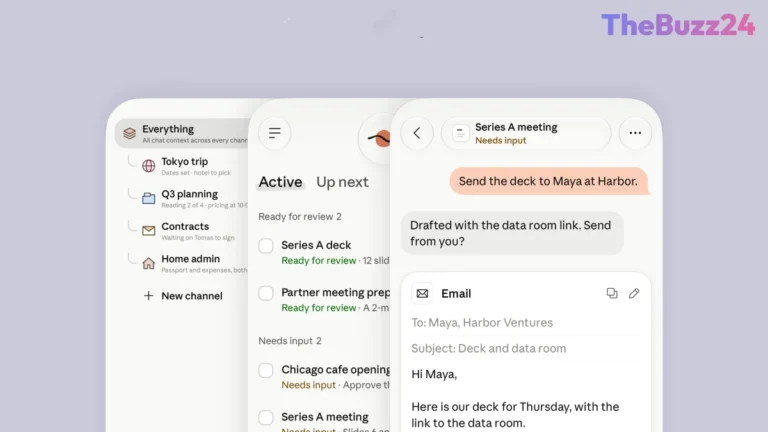
The decision follows a successful trial period earlier this year, during which 1,000 employees across various departments—including finance, operations, and product development—utilized the platform. Notably, the majority of these early users were non-technical staff who leveraged the AI to analyze complex operational data, localize training materials, and create personalized dashboards to streamline daily workflows.
Rather than mandating specific use cases, Uber is encouraging a culture of experimentation. The company previously deployed ‘AI pods,’ which paired specialized AI engineers with cross-functional teams to identify and automate key job tasks. This strategy allowed the company to observe the practical benefits of AI integration before committing to a full-scale rollout.
While the financial terms of the agreement remain undisclosed, Uber plans to closely monitor how the technology is utilized across its various business units. By tracking the development of new workflows and measuring efficiency gains, the company intends to refine its long-term AI strategy and continue integrating advanced automation into its core business operations.
Key Takeaways
- Uber has rolled out ChatGPT Work to its entire global staff of 30,000 employees.
- The deployment follows a successful pilot program where non-technical staff used AI for data analysis and workflow automation.
- Uber is prioritizing an experimental approach, allowing teams to discover unique ways to integrate AI into their specific job functions.
Editor’s Analysis & Impact
Uber’s decision to provide enterprise-wide access to ChatGPT Work signals a broader shift in the corporate sector toward ‘democratized’ AI. By moving beyond specialized engineering teams and empowering non-technical staff to build their own automated workflows, Uber is positioning itself to capture significant efficiency gains. This strategy reflects a growing trend where companies view AI not just as a tool for developers, but as a foundational layer for general business operations. The success of this rollout will likely serve as a bellwether for other large-scale enterprises considering similar investments. As OpenAI continues to compete with rivals like Anthropic, securing a high-profile client like Uber reinforces its dominance in the enterprise AI market, setting a high bar for competitors to match in terms of scalability and user-friendly integration.
Frequently Asked Questions
Q: Who at Uber will have access to ChatGPT Work?
A: The entire global workforce of approximately 30,000 employees now has access to the tool.
Q: How did Uber test the technology before the full rollout?
A: Uber conducted a pilot program with 1,000 employees across various departments and utilized 'AI pods' to pair engineers with staff to identify automation opportunities.
AI Disclosure: This article is based on verified data and official reports. Our Team and AI have cross-referenced every financial detail with primary sources to ensure total accuracy.
More from this Category