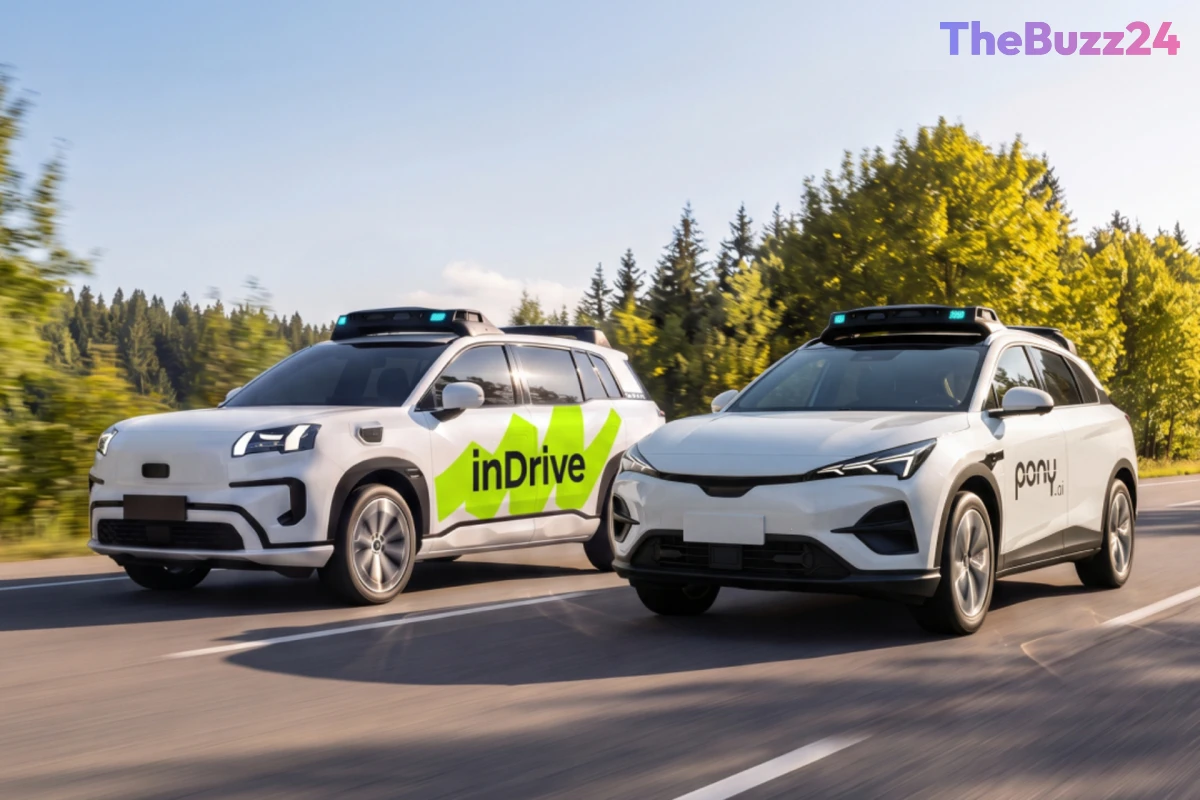
inDrive, Pony.ai, and Nvidia Team Up to Bring Robotaxis to Central Asia by 2027
Ride-hailing platform inDrive is joining forces with autonomous driving specialist Pony.ai and tech giant Nvidia to launch robotaxi trials in Kazakhstan. The strategic collaboration aims to introduce self-driving vehicles to the region, marking a significant milestone in the global expansion of autonomous mobility beyond traditional hubs in the United States and China.
The initial testing phase is slated to kick off in Kazakhstan’s capital city, Astana, during the first half of 2027. Operations will launch with a safety operator present behind the wheel, with the ultimate objective of transitioning to fully autonomous, driverless operations over time. Under the framework of the agreement, Pony.ai will supply its seventh-generation robotaxis to be integrated into the inDrive application ecosystem, while Nvidia will power the vehicles using its advanced AI infrastructure, including the Hyperion platform and Halos safety architecture.
Executing these trials in Astana offers a unique advantage for the companies involved, primarily due to the city’s severe winter climate. The region’s extensive snow and ice conditions will serve as a rigorous testing ground for evaluating the resilience and adaptability of autonomous driving software in harsh weather environments. Meanwhile, inDrive continues to pursue a capital-light business model, partnering with industry leaders to maintain cost-efficiency and deliver affordable transport solutions in emerging markets.
Key Takeaways
- inDrive, Pony.ai, and Nvidia have signed an agreement to test robotaxis in Astana, Kazakhstan, starting in 2027.
- The pilot program will initially feature safety operators before transitioning to fully driverless rides.
- Testing in Astana's harsh winter conditions will provide critical data on how autonomous systems handle snow and ice.
Editor’s Analysis & Impact
The partnership between inDrive, Pony.ai, and Nvidia underscores a broader industry shift toward democratizing autonomous vehicle technology in emerging markets. By leveraging Nvidia’s ready-made Hyperion platform, ride-hailing companies can significantly reduce the capital expenditure required to develop and integrate proprietary self-driving hardware and software. This is particularly crucial for markets where traditional ride-hailing is already budget-friendly and autonomous alternatives must compete directly on price. Furthermore, testing in challenging weather conditions like those in Astana addresses one of the most persistent hurdles in autonomous engineering: operational reliability during extreme winter events. Success in Kazakhstan could pave the way for accelerated adoption across similar geographies globally.
Frequently Asked Questions
Q: When will the robotaxi trials begin in Kazakhstan?
A: The initial testing phase is scheduled to begin in the first half of 2027 in the capital city of Astana.
Q: What roles do Pony.ai and Nvidia play in the partnership?
A: Pony.ai will provide its Gen-7 robotaxi vehicles for the inDrive platform, while Nvidia will supply the foundational AI technology, including the Hyperion platform and Halos safety system.
Q: Will the vehicles be completely driverless from the start?
A: No, the tests will initially operate with a safety driver onboard, with the goal of eventually transitioning to fully driverless rides.
AI Disclosure: This article is based on verified data and official reports. Our Team and AI have cross-referenced every financial detail with primary sources to ensure total accuracy.
More from this Category