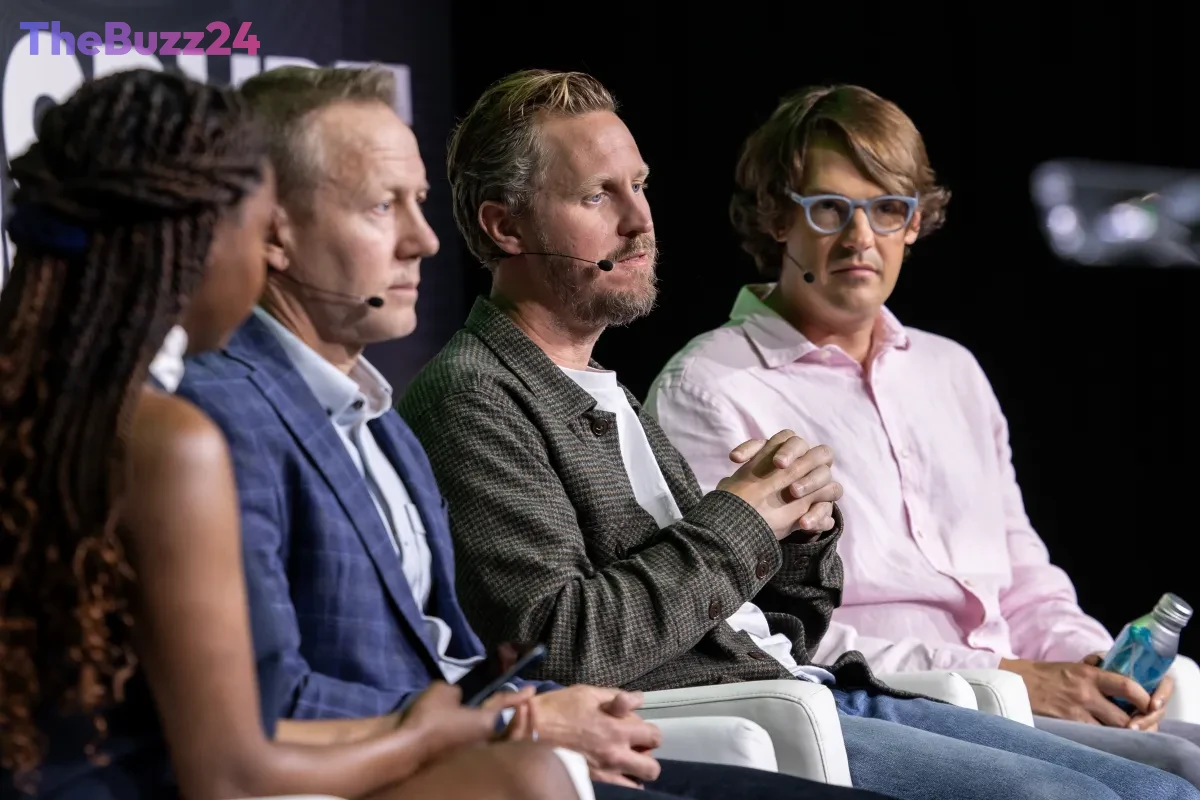
Beyond Hype: Tech Leaders Reveal the True Drivers of Sustainable Startup Growth
In today’s rapidly evolving tech landscape, the allure of explosive growth can be a double-edged sword for startups. Experts are cautioning that achieving high annual recurring revenue (ARR) quickly doesn’t guarantee long-term success, with many companies experiencing rapid ascents followed by equally swift declines. At a recent TechCrunch Disrupt event, prominent figures from the AI and venture capital sectors shared insights on navigating the critical initial stages of a startup’s journey, emphasizing sustainable strategies over premature scaling.
Ben Broca, founder of the AI-powered business platform Polsia, highlighted the increasing difficulty in establishing product-market fit, particularly as AI tools lower the barrier for competitors to replicate innovations. He stressed the importance of developing repeatable go-to-market strategies. Luke Arno, lead at Lovable, a successful AI app-building startup, echoed this sentiment, advising founders to prioritize “learning density” and pattern recognition regarding customer acquisition. He warned against prematurely implementing top-down sales motions before a solid foundation is established, noting that genuine product-market fit is demonstrated when new customers can be acquired through consistent, repeatable methods rather than requiring unique tactics for each sale.
Tomasz Tunguz of Theory Ventures added context to the immense pressure startups face to grow at unprecedented speeds, a phenomenon fueled by the significant capital now available at all funding stages. While acknowledging that hyper-growth, exemplified by companies like Lovable which boasts a valuation exceeding $13 billion and substantial ARR, remains an exception, Tunguz underscored that founders must still operate with agility. The overarching theme from the panel was clear: sustainable success hinges on a deep understanding of customers and building genuine community, ensuring customer loyalty extends beyond fleeting trends. Broca emphasized the value of direct customer engagement through various channels, reinforcing that continuous dialogue with users is paramount for long-term viability.
Key Takeaways
- Sustainable startup growth relies on repeatable go-to-market strategies and deep customer understanding, not just rapid revenue generation.
- Achieving product-market fit is demonstrated by acquiring customers through consistent methods, not by needing unique tactics for each sale.
- Building customer community and maintaining direct engagement are crucial for long-term success beyond initial hype.
Editor’s Analysis & Impact
The insights from TechCrunch Disrupt underscore a critical shift in startup strategy. The era of ‘growth at all costs,’ fueled by abundant venture capital, is being tempered by a focus on fundamental business principles. Companies that can demonstrate repeatable customer acquisition and a deep connection with their user base are better positioned for resilience. This emphasis on sustainable, organic growth could lead to more robust businesses and a healthier tech ecosystem, moving away from the ‘unicorn’ model that often prioritizes valuation over long-term viability. Investors may also begin to favor companies with proven, scalable models over those with rapid but unproven growth trajectories.
Frequently Asked Questions
Q: What is 'learning density' in the context of startups?
A: Learning density refers to a startup's ability to quickly and efficiently understand patterns related to customer acquisition and behavior. It means recognizing and replicating successful methods for attracting and retaining customers, rather than relying on ad-hoc or unique approaches for each new client.
Q: Why is product-market fit difficult to achieve in the current AI era?
A: In the current AI era, product-market fit is challenging because AI tools enable rapid product development and innovation. This also means that competitors can more easily copy successful products, making it harder to establish a unique and defensible market position. Founders must focus on building sustainable advantages beyond just the initial product.
Q: How can startups build community and stay close to customers?
A: Startups can build community and stay close to customers through various methods, including direct customer outreach via email, hosting events, actively participating in online forums, and encouraging direct conversations between the founding team and users. The key is consistent and genuine engagement.
AI Disclosure: This article is based on verified data and official reports. Our Team and AI have cross-referenced every financial detail with primary sources to ensure total accuracy.
More from this Category