Typhoon Champi Paralyzes Taiwan and Okinawa with Extreme Winds and Flooding
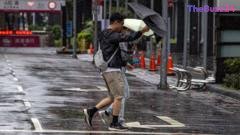
Typhoon Champi has triggered widespread disruption across East Asia, forcing the cancellation of hundreds of flights and the suspension of daily life in Taiwan. As the powerful storm system skirted the island’s north-east coast, authorities implemented emergency measures, including the closure of schools, government offices, and the national stock exchange. While the storm’s eye is currently projected to bypass a direct landfall in Taiwan, the region remains on high alert for torrential rainfall, with forecasts predicting up to 90cm of precipitation through Saturday.
The human toll of the storm has been significant, with authorities confirming one fatality and over 170 injuries. Approximately 1,000 residents have been evacuated from high-risk areas, as officials urge the public to avoid coastal regions and mountainous terrain. The storm’s impact extends beyond Taiwan, with southern Japan’s Okinawa prefecture reporting power outages affecting thousands of households and significant flight disruptions across major Japanese carriers. The Philippine island chain of Batanes has also faced severe weather, with heavy waves and wind causing infrastructure damage.
Meteorologists note that Champi reached peak intensity earlier this week, briefly becoming the strongest storm of the year with wind speeds comparable to a Category 5 hurricane. While the system has since weakened, it remains a formidable threat as it tracks toward Japan’s main island. The unusual frequency and intensity of this season’s typhoons are being attributed to a powerful El Niño event, which has significantly warmed Pacific waters and created favorable conditions for extreme storm development.
Key Takeaways
- Typhoon Champi caused widespread flight cancellations and the closure of Taiwan's stock exchange and public services.
- The storm has resulted in at least one death and over 170 injuries, with 1,000 people evacuated across the region.
- The intensity of the current typhoon season is linked to a strong El Niño phenomenon warming the Pacific Ocean.
Editor’s Analysis & Impact
The arrival of Typhoon Champi highlights the increasing vulnerability of East Asian infrastructure to extreme weather events fueled by climate anomalies like El Niño. From an economic perspective, the closure of Taiwan’s $5 trillion stock exchange underscores the systemic risk that severe weather poses to global financial hubs. As storm seasons become more active and intense, regional governments are facing mounting pressure to upgrade disaster resilience and emergency response protocols. The future outlook suggests that businesses and logistics providers operating in the Pacific corridor must integrate more robust climate-risk assessments into their supply chain management. Investors should anticipate continued volatility in regional markets during peak typhoon months, as the intersection of climate change and natural weather cycles continues to disrupt trade, travel, and energy stability across the Asia-Pacific region.
Frequently Asked Questions
Q: Why was Taiwan's stock exchange closed?
A: The stock exchange was closed as a precautionary measure due to the severe weather conditions and the suspension of public services, known as a 'typhoon holiday,' to ensure the safety of employees.
Q: What is the connection between El Niño and Typhoon Champi?
A: El Niño is a climate phenomenon that warms the Pacific Ocean. This increased water temperature provides more energy for storms to develop, often leading to a higher frequency and intensity of typhoons in the region.
AI Disclosure: This article is based on verified data and official reports. Our Team and AI have cross-referenced every financial detail with primary sources to ensure total accuracy.
More from this Category