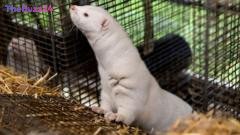
Denmark to End Mink Farming by 2029, Citing Animal Welfare
Denmark has announced a definitive end to its mink farming industry, with all operations set to cease by August 2029. This decision marks a significant U-turn for the government, which had previously considered seeking an exemption to an upcoming European Union ban on the practice.
Once a global leader in mink fur production, Denmark’s industry has faced considerable challenges in recent years. These include a global decline in the fur trade, widespread bans on fur farming in other nations, and a devastating outbreak of a COVID-19 strain among its mink population, which led to the culling of millions of animals. The government’s latest move prioritizes animal welfare, a stance reinforced by statements from Danish Nature Minister Christian Rabjerg Madsen, who emphasized that businesses should not persist solely based on historical presence but must also align with societal, economic, and animal welfare considerations.
The EU is set to list mink as an invasive species in 2025, which would prohibit their keeping. While Denmark’s government initially explored options for its mink industry to continue under specific conditions, the current coalition has reversed this approach. This decision has been met with approval from animal welfare advocates, who view it as a positive step for ethical treatment. The Danish Mink Association has been contacted for comment regarding the implications for breeders and the remaining farms.
The closure of the seven remaining mink farms in Denmark is expected to incur costs, with initial estimates suggesting around 14 million Danish krone (approximately £1.56 million), though the final figure may vary. This development occurs against a backdrop of increasing controversy surrounding fur in the fashion industry, with many brands and publications moving away from its use, even as elements of fur, both real and faux, see periodic resurgences in fashion trends.
Key Takeaways
- Denmark will phase out mink farming completely by August 2029.
- The government cited animal welfare as the primary reason for the ban, reversing previous plans to seek an exemption.
- The decision follows a period of crisis for the industry, including a mass culling due to COVID-19 and a decline in global fur trade.
Editor’s Analysis & Impact
Denmark’s decision to ban mink farming signifies a broader global trend towards prioritizing animal welfare and sustainability over traditional industries with ethical concerns. While the Danish mink industry was once dominant, its decline reflects changing consumer attitudes and regulatory pressures. The economic impact on the remaining farms and breeders will need careful management during the transition. This move could influence other nations still supporting fur farming, potentially accelerating similar legislative changes and further impacting the global fur market. The focus on animal welfare aligns with evolving corporate social responsibility standards and consumer demand for ethically sourced products.
Frequently Asked Questions
Q: When will mink farming officially end in Denmark?
A: Mink farming operations in Denmark are scheduled to conclude by August 2029.
Q: What led to the Danish government's decision to ban mink farming?
A: The primary driver for the ban is a commitment to animal welfare. This decision reverses earlier considerations to seek an exemption from an upcoming EU-wide prohibition on keeping mink, which is linked to their classification as an invasive species.
Q: What was the impact of COVID-19 on Denmark's mink farms?
A: During the COVID-19 pandemic, a mutated strain of the virus was discovered in Denmark's mink population, leading the government to order a mass culling of approximately 15 million animals. This event significantly impacted the industry and contributed to its decline.
AI Disclosure: This article is based on verified data and official reports. Our Team and AI have cross-referenced every financial detail with primary sources to ensure total accuracy.
More from this Category