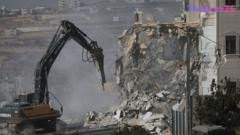
Systemic Destruction: Evidence Reveals Targeted Attacks on Darfur Healthcare Facilities
A comprehensive investigation has uncovered evidence suggesting that paramilitary forces in Sudan systematically dismantled the healthcare infrastructure in el-Fasher, Darfur. Over the course of a year-long siege and the eventual takeover of the city, medical facilities were subjected to deliberate destruction, severely crippling the region’s ability to provide essential care to civilians.
The findings have drawn sharp condemnation from international human rights officials, who described the reports of targeted medical facility destruction as deeply disturbing. Under established international humanitarian law, hospitals, clinics, and medical personnel are granted protected status during armed conflicts, making any intentional assault on these sites a violation of global norms.
While the allegations point to a calculated effort to neutralize the city’s medical capacity, representatives from the paramilitary group’s civilian-affiliated government have denied the claims. Dr. Alaa Eldin Nugud, serving as the health minister for the group, characterized the reports as propaganda. Despite these denials, firsthand accounts from medical professionals on the ground corroborate the narrative of a systematic campaign aimed at the healthcare system, leaving the local population in a state of critical vulnerability.
Key Takeaways
- Paramilitary forces are accused of systematically destroying the healthcare system in el-Fasher, Darfur.
- Targeting medical facilities and staff during an armed conflict is a direct violation of international law.
- The paramilitary group's leadership has officially denied the allegations, labeling them as propaganda.
Editor’s Analysis & Impact
The systematic targeting of healthcare infrastructure in Darfur represents a significant escalation in the ongoing Sudanese conflict, signaling a shift toward total warfare where civilian survival mechanisms are treated as strategic assets to be neutralized. This strategy not only creates an immediate humanitarian catastrophe but also ensures long-term instability by destroying the foundational services required for post-conflict recovery. From a geopolitical perspective, the international community faces a mounting challenge in enforcing humanitarian protections when non-state actors operate with impunity. If these patterns of destruction continue, the region risks a complete collapse of public health, which will likely trigger further displacement and exacerbate the existing refugee crisis. Future accountability will depend on the ability of international bodies to document these war crimes effectively, though the current political climate suggests that justice for the victims remains a distant prospect.
Frequently Asked Questions
Q: What is the status of hospitals in el-Fasher following the conflict?
A: Reports indicate that the healthcare system in el-Fasher has been systematically destroyed by paramilitary forces during their siege and takeover of the city.
Q: Is it legal to attack hospitals during a war?
A: No. Under international law, health facilities and medical staff are protected and it is strictly illegal to target them during an armed conflict.
AI Disclosure: This article is based on verified data and official reports. Our Team and AI have cross-referenced every financial detail with primary sources to ensure total accuracy.
More from this Category