France Gripped by Widespread Protests, Paris Sees Violent Clashes
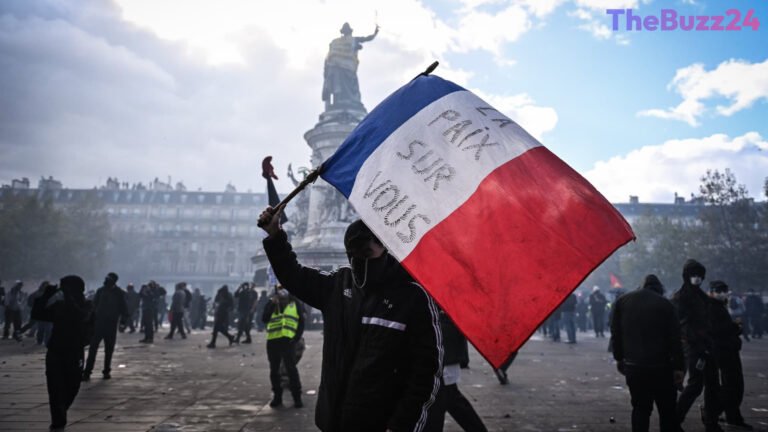
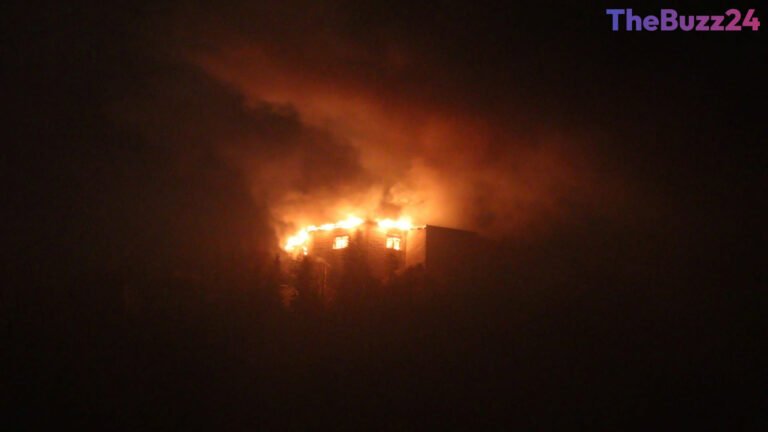
France experienced another weekend of significant public demonstrations, with an estimated 400,000 individuals participating in protests nationwide. The widespread rallies, which saw approximately 70,000 law enforcement officers deployed across the country for the second consecutive weekend, escalated into violent confrontations in the capital city, Paris, after nightfall.
What began as largely peaceful daytime gatherings in Paris quickly devolved into unrest as evening approached. Protesters were observed launching various objects and fireworks towards riot police, prompting authorities to respond with tear gas and water cannons to disperse the crowds. The intensity of the clashes led to nearly 1,000 arrests throughout the day.
The persistent nature of these demonstrations underscores deep-seated tensions within the country, with observers noting few indications that the unrest is likely to subside in the immediate future. The ongoing protests, often linked to public dissatisfaction with government policies under President Emmanuel Macron, continue to challenge national stability.
Key Takeaways
- Widespread protests across France involved an estimated 400,000 people, marking the second consecutive weekend of significant demonstrations.
- Clashes in Paris escalated after dark, with protesters throwing objects and fireworks at police, who responded with tear gas and water cannons.
- Nearly 1,000 arrests were made during the protests, and observers indicate that the unrest is not expected to ease soon.
Editor’s Analysis & Impact
The persistent and escalating protests across France carry significant implications beyond immediate public order concerns. Economically, prolonged unrest could deter tourism and disrupt local commerce, particularly in major cities like Paris, potentially impacting quarterly growth figures. For the government, the sustained demonstrations signal deep public dissatisfaction, likely necessitating a re-evaluation of current policies or a more robust communication strategy to address citizen grievances. The future outlook suggests continued political volatility, which could influence upcoming legislative agendas and even President Macron’s political capital. Broader implications include a potential ripple effect across Europe, as other nations grapple with similar socio-economic pressures, highlighting the delicate balance between implementing reforms and maintaining social cohesion.
Frequently Asked Questions
Q: What are the primary reasons behind the ongoing protests in France?
A: While the provided text doesn't specify the exact triggers, widespread protests in France are often linked to public dissatisfaction with government policies, particularly those related to economic reforms, social welfare, or pension changes under President Emmanuel Macron's administration.
Q: What was the scale of participation and police deployment during the recent demonstrations?
A: An estimated 400,000 people participated in protests across France, with approximately 70,000 law enforcement officers deployed nationwide. In Paris, clashes led to nearly 1,000 arrests.
Q: How did the protests in Paris escalate into violence?
A: After largely peaceful daytime gatherings, protesters in Paris began throwing objects and fireworks at riot police after nightfall. Authorities responded by deploying tear gas and water cannons to disperse the crowds.
AI Disclosure: This article is based on verified data and official reports. Our Team and AI have cross-referenced every financial detail with primary sources to ensure total accuracy.
More from this Category