Political Earthquake: Serbia’s Longtime Leader Vucic Concedes to Student-Led Movement
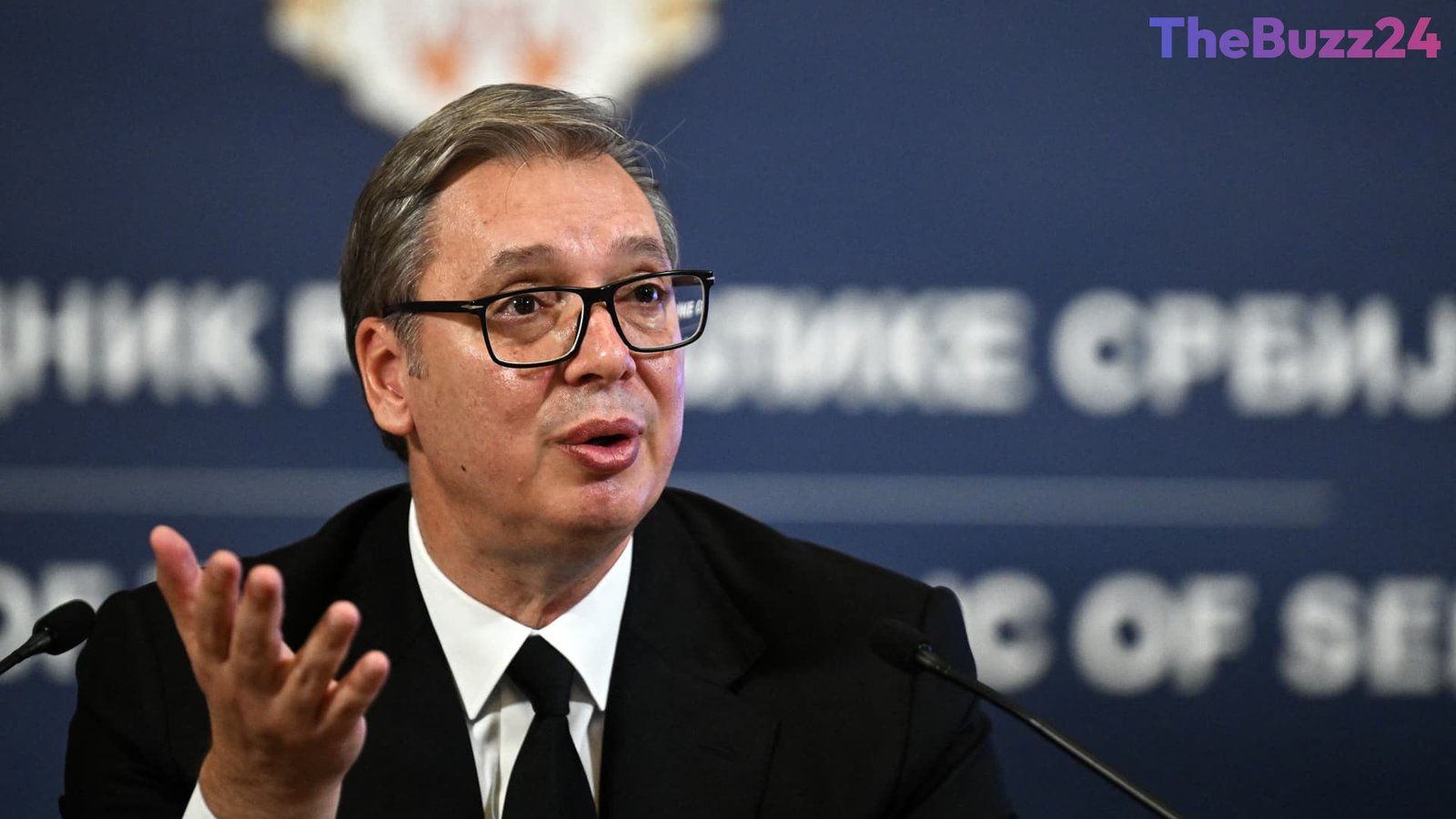
In a historic political shift for the Balkan nation, Serbian leader Aleksandar Vucic has conceded defeat in a high-stakes parliamentary election. The results mark the end of a 14-year period of dominance for Vucic and his Serbian Progressive Party (SNS), as a grassroots, student-led coalition known as the ‘Students’ List’ secured a decisive victory. Projections indicate the opposition movement is set to claim between 135 and 140 seats in the 250-member parliament, effectively ending Vucic’s grip on the government.
The election followed years of mounting public frustration, which reached a breaking point after a tragic 2024 infrastructure collapse in Novi Sad that claimed 16 lives. The incident, widely attributed to systemic corruption and cronyism, galvanized a youth-led movement that successfully bypassed traditional political structures. By fielding a diverse slate of experts, athletes, and artists rather than career politicians, the movement managed to bridge the gap between urban centers and Vucic’s traditional rural strongholds.
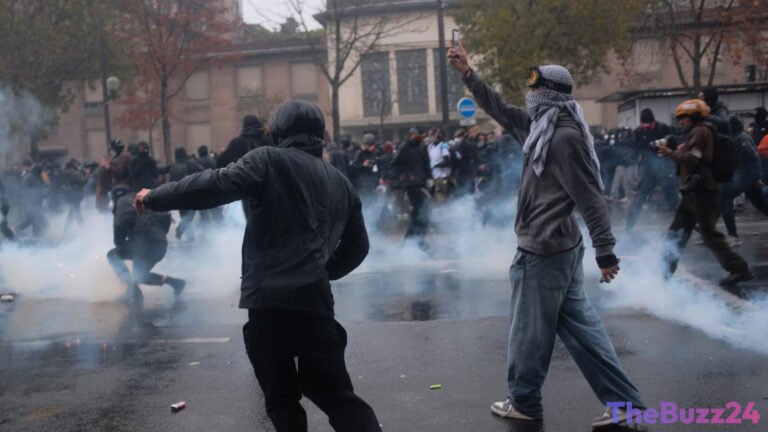
Celebrations erupted across Belgrade as news of the concession spread, with citizens taking to the streets to mark the transition. While Vucic acknowledged the loss, he attributed the outcome to external pressures and media influence. The election saw record-breaking turnout, with voters braving reports of irregularities and intimidation to participate in what many viewed as a referendum on the country’s democratic future. The result is expected to have significant implications for Serbia’s relationship with the European Union and its broader geopolitical alignment.
Key Takeaways
- Aleksandar Vucic has conceded defeat after 14 years of political dominance in Serbia.
- The 'Students' List' movement, fueled by anti-corruption sentiment, secured a parliamentary majority.
- Public anger over a fatal 2024 train station collapse served as a primary catalyst for the opposition's electoral success.
Editor’s Analysis & Impact
The electoral defeat of Aleksandar Vucic represents a significant realignment in Balkan politics, signaling a potential pivot away from the populist, authoritarian governance that has defined the region for over a decade. The success of the ‘Students’ List’ demonstrates the potency of non-partisan, issue-driven movements in overcoming entrenched political machines. Economically, this transition may lead to a more transparent regulatory environment and a renewed push for European integration, which could stabilize foreign investment. However, the incoming administration faces the daunting task of dismantling deeply rooted patronage networks and addressing the systemic corruption that triggered the initial protests. The international community will be watching closely to see if this shift serves as a blueprint for other nations currently grappling with democratic backsliding and youth-led civil unrest.
Frequently Asked Questions
Q: What triggered the surge in support for the student-led movement?
A: The movement gained significant momentum following a 2024 tragedy in Novi Sad, where a concrete canopy collapse at a train station killed 16 people. The public blamed the incident on government corruption and poor oversight.
Q: Who makes up the 'Students' List' coalition?
A: The movement is composed of experts, athletes, farmers, and artists rather than traditional politicians, a strategy designed to distance the group from the existing political establishment.
AI Disclosure: This article is based on verified data and official reports. Our Team and AI have cross-referenced every financial detail with primary sources to ensure total accuracy.
More from this Category