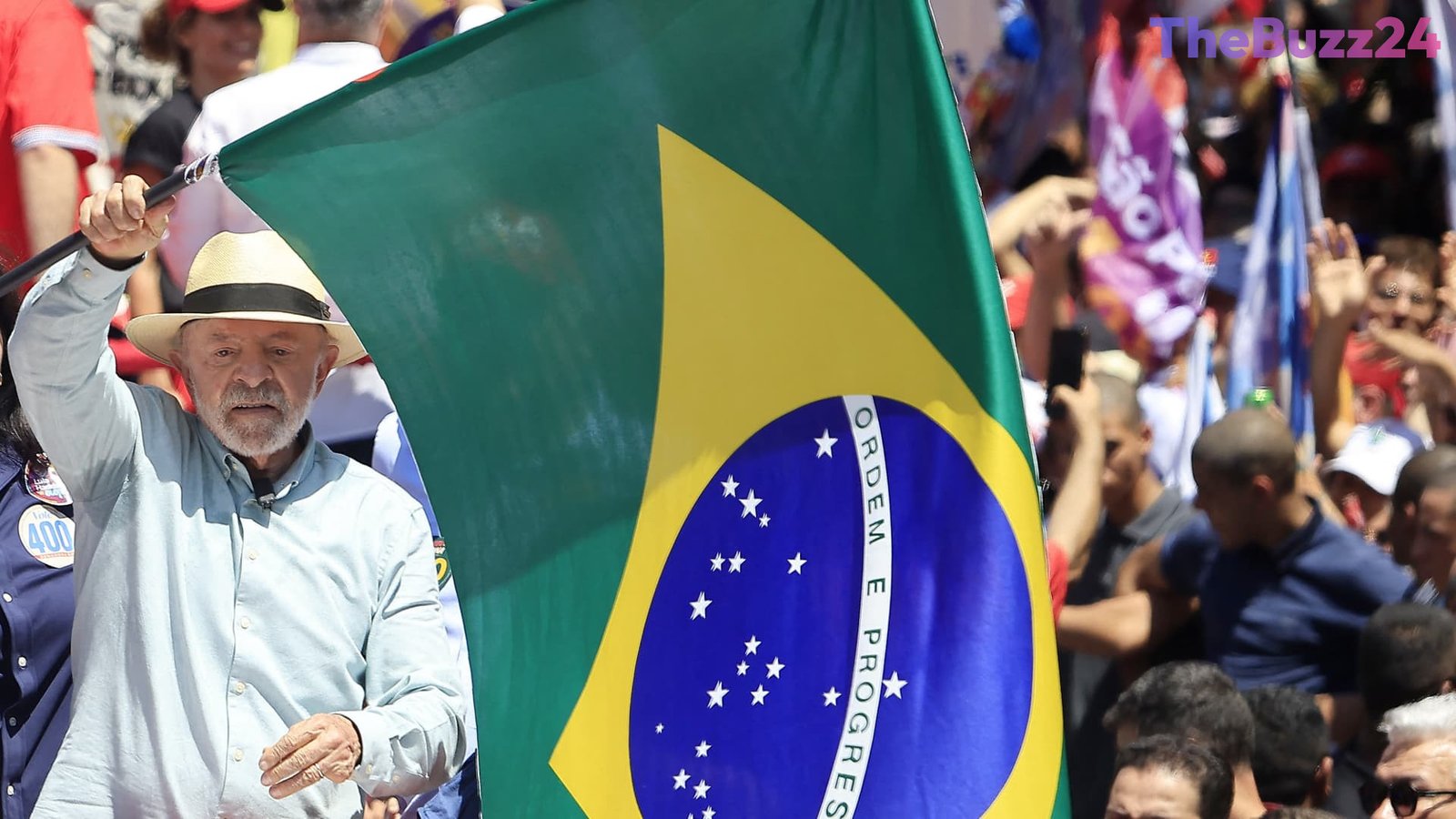
Luiz Inácio Lula da Silva Secures Historic Return to Brazilian Presidency
Luiz Inácio Lula da Silva has secured a fourth term as the president of Brazil, marking a historic political comeback. In a tightly contested runoff election that highlighted the deep ideological divisions within the nation, Lula captured 51.8% of the valid vote, narrowly defeating his opponent, who garnered 48.2%. This victory represents a significant milestone in Brazilian democratic history, as it is the first time a candidate has successfully overturned a first-round deficit to win the presidency since direct elections were reinstated in 1989.
The election process faced logistical challenges, with reports of voter suppression and transportation issues in specific regions. These complications led the Superior Electoral Court to extend voting hours to ensure citizens could cast their ballots. Despite the high stakes and the intensity of the campaign, the results have set the stage for a new administration tasked with navigating a complex political and economic landscape.
Looking ahead, the incoming administration faces a challenging environment. Lula will govern from 2027 to 2030 while contending with a Congress where the Liberal Party maintains a significant presence. Furthermore, the government must address pressing fiscal concerns, including a rising public debt, high interest rates, and the need for structural economic stabilization. The immediate market reaction reflected these uncertainties, with the iShares MSCI Brazil ETF (EWZ) experiencing a sharp decline in overnight trading as investors processed the election outcome.
Key Takeaways
- Luiz Inácio Lula da Silva won the Brazilian presidential runoff with 51.8% of the vote.
- This election marks the first time in Brazil's modern history that a candidate won the presidency after trailing in the first round.
- The incoming administration faces significant economic hurdles, including high public debt and a challenging legislative environment.
Editor’s Analysis & Impact
Lula’s victory signals a major shift in the trajectory of Latin America’s largest economy. The market’s immediate negative reaction, evidenced by the drop in the EWZ ETF, underscores investor anxiety regarding fiscal discipline and the potential for increased government spending under a leftist administration. The primary challenge for the new government will be balancing social promises with the reality of a constrained fiscal budget and a divided Congress. If the administration fails to reassure markets regarding debt sustainability, Brazil may face increased volatility in its currency and equity markets. Conversely, if Lula adopts a pragmatic approach to economic policy, he may find a path to stabilize the economy while managing the expectations of his political base. The coming months will be critical in determining the long-term investor sentiment toward Brazilian assets.
Frequently Asked Questions
Q: What percentage of the vote did Lula receive in the runoff?
A: Luiz Inácio Lula da Silva received 51.8% of the valid votes.
Q: What are the primary economic challenges facing the new administration?
A: The administration must address a worsening fiscal deficit, high interest rates, rigid mandatory spending, and significant public debt.
AI Disclosure: This article is based on verified data and official reports. Our Team and AI have cross-referenced every financial detail with primary sources to ensure total accuracy.
More from this Category