Gabon Ends Eight-Month Social Media Blackout
The government of Gabon has officially lifted a restrictive ban on social media platforms, ending an eight-month period of digital isolation that drew significant international and domestic criticism. The High Communication Authority (HAC) confirmed the restoration of access through a televised announcement, marking a reversal of the policy implemented in mid-February.
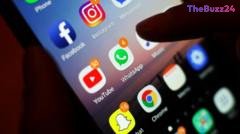
Authorities originally justified the suspension by claiming that online content was being utilized to incite conflict and exacerbate social divisions within the nation. The blackout impacted millions of citizens, particularly the younger demographic, who rely heavily on platforms such as Facebook, Instagram, TikTok, and YouTube for both commercial activities and personal communication. The restriction was enacted during a period of heightened social unrest, characterized by strikes from civil servants and educators protesting stagnant wages and difficult working conditions.
President Brice Oligui Nguema, who assumed power following a coup that ended the long-standing Bongo family dynasty, had faced intense scrutiny over the decision. While the administration initially framed the blackout as a necessary measure for national stability, opposition groups and human rights advocates condemned the move as an authoritarian overreach. The restoration of internet freedom is being viewed as a significant development for the oil- and timber-rich nation as it attempts to navigate its post-coup political landscape.
Key Takeaways
- Gabon has officially ended an eight-month ban on major social media platforms.
- The restriction was originally implemented in February to curb alleged misinformation and social unrest.
- The move follows a period of significant domestic pressure and criticism regarding the suppression of digital communication.
Editor’s Analysis & Impact
The lifting of the social media ban in Gabon represents a critical pivot in the administration’s approach to information control and public perception. By restoring access, the government is likely attempting to normalize its international standing and appease a younger, digitally-native population that is essential for economic growth. However, the eight-month blackout has left a lasting impact on the digital economy and public trust. Moving forward, the government’s ability to maintain stability without resorting to information blackouts will be a key indicator of its commitment to democratic reforms. Investors and international observers will be watching closely to see if this policy reversal signals a genuine shift toward transparency or if it is merely a tactical concession to mitigate ongoing domestic dissatisfaction.
Frequently Asked Questions
Q: Why was social media banned in Gabon?
A: The High Communication Authority claimed the ban was necessary to prevent the spread of content that was fueling conflict and deepening social divisions during a time of civil unrest.
Q: How long did the social media restriction last?
A: The ban was in effect for eight months, having been initially imposed on February 17.
AI Disclosure: This article is based on verified data and official reports. Our Team and AI have cross-referenced every financial detail with primary sources to ensure total accuracy.
More from this Category