Dollar General Sued by FTC and 20 States Over Alleged Widespread Overcharging
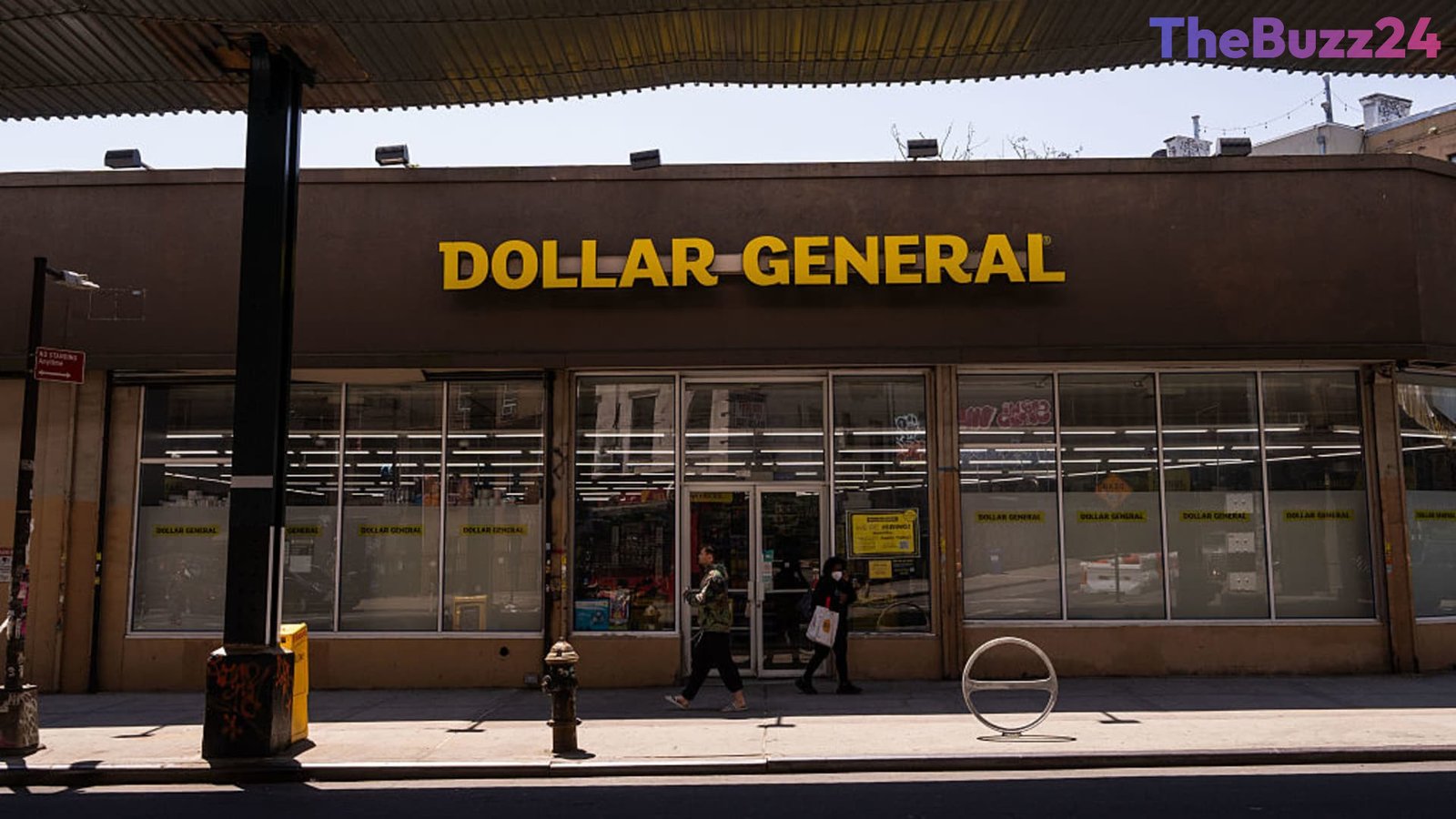
Federal regulators, in conjunction with a coalition of 20 states, have initiated legal action against Dollar General, accusing the discount retailer of systematically overcharging customers. The lawsuit, filed by the Federal Trade Commission (FTC) and the state attorneys general, alleges that shoppers frequently paid more than the advertised prices for various items, leading to the unlawful extraction of millions of dollars from consumers. This legal challenge follows a significant volume of customer complaints regarding pricing discrepancies.
The complaint details that thousands of Dollar General store locations across the country have allegedly exploited vulnerable shoppers through these pricing practices. It asserts that despite receiving tens of thousands of consumer complaints highlighting instances where prices at the register exceeded those displayed on shelves, price tags, or in advertisements, the company failed to implement adequate safeguards or policies to rectify the problem. The states joining the FTC in this extensive legal effort include Alabama, Arizona, Arkansas, California, Connecticut, Florida, Illinois, Iowa, Kansas, Louisiana, Michigan, Mississippi, Nebraska, New Jersey, North Carolina, Ohio, Oklahoma, Tennessee, Utah, and Wisconsin.
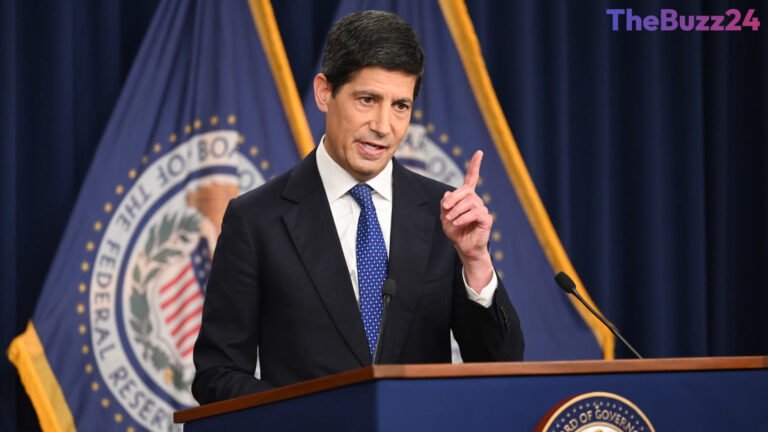
Christopher Mufarrige, director of the FTC’s Bureau of Consumer Protection, stated that Dollar General has “betrayed the trust of millions of American consumers and imposed significant financial harm on communities and consumers who are already struggling to make their paychecks last.” Dollar General has not yet issued a public response to the allegations. The lawsuit emerges at a time when consumers are actively seeking value and discounts amidst elevated inflation, particularly concerning food and gas prices, and as public officials emphasize their commitment to consumer protection.
Key Takeaways
- The FTC and 20 U.S. states have jointly sued Dollar General, alleging the retailer systematically overcharged customers by millions of dollars.
- The lawsuit claims Dollar General failed to address tens of thousands of consumer complaints regarding price discrepancies between advertised and checkout prices.
- The legal action highlights concerns for vulnerable shoppers and comes amid broader efforts to protect consumers from high costs during economic inflation.
Editor’s Analysis & Impact
This lawsuit could have significant repercussions for discount retailers and the broader retail sector. It underscores the intense scrutiny on pricing practices, especially in an inflationary environment where consumers are highly sensitive to costs. Other retailers may face increased pressure to review their own pricing accuracy and complaint resolution systems to avoid similar legal challenges. For Dollar General, the immediate future involves navigating a high-profile legal battle that could result in substantial fines, restitution to consumers, and mandated operational changes. Beyond financial penalties, the damage to its brand reputation, particularly among its core demographic of budget-conscious shoppers, could be long-lasting. The case signals a strong stance by federal and state regulators on consumer protection, indicating a willingness to pursue large corporations over alleged deceptive practices. It also reflects a political climate where protecting consumers from perceived corporate profiteering is a priority, potentially leading to more aggressive enforcement actions across various industries.
Frequently Asked Questions
Q: What is Dollar General accused of?
A: Dollar General is accused by the Federal Trade Commission (FTC) and 20 states of systematically overcharging customers, meaning shoppers paid more at the register than the prices advertised on shelves, tags, or in promotions.
Q: How many states are involved in the lawsuit?
A: A total of 20 U.S. states have joined the FTC in filing the lawsuit against Dollar General.
Q: What is the potential impact on Dollar General?
A: The lawsuit could lead to significant financial penalties, including fines and restitution to affected customers. It may also necessitate operational changes to their pricing systems and could damage the company's reputation among its customer base.
AI Disclosure: This article is based on verified data and official reports. Our Team and AI have cross-referenced every financial detail with primary sources to ensure total accuracy.
More from this Category