Federal Reserve Expected to Pause Rate Hikes in October Amid Persistent Inflation Pressures
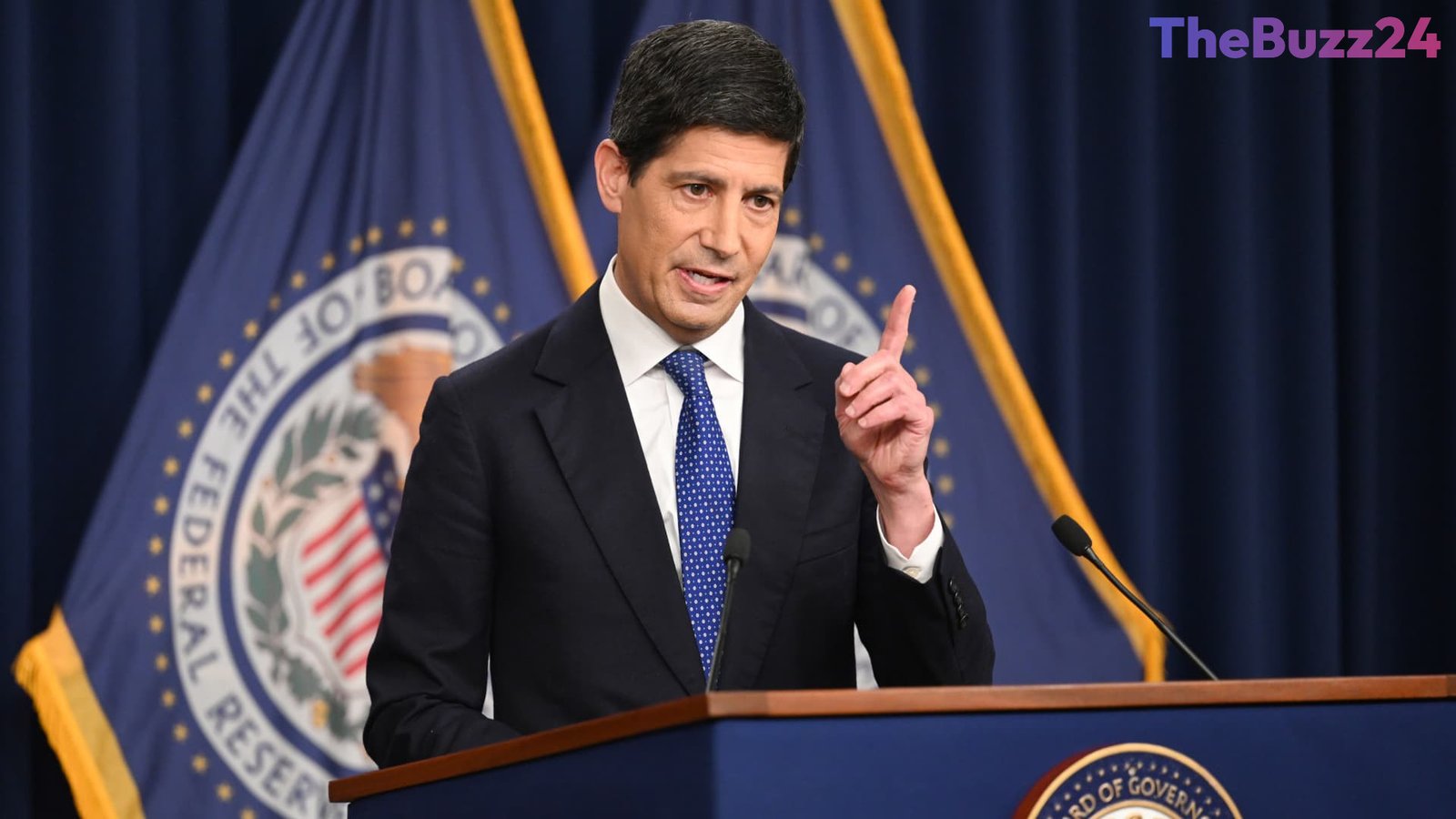
Financial analysts anticipate that the Federal Open Market Committee will keep interest rates steady during its upcoming gathering, opting for a temporary pause despite persistent inflationary challenges and surging energy costs. Although consumer prices and producer indices have climbed, fueled largely by fluctuating oil markets and broader economic pressures, market indicators suggest the central bank will hold off on immediate adjustments.
This prospective decision arrives at a critical juncture for American households, who continue to navigate an affordability crunch marked by elevated borrowing expenses. While a rate pause offers a brief respite from immediate increases in short-term debt servicing costs, overall financial conditions remain tight. Persistent inflation keeps consumer wallets stretched, impacting major purchasing decisions ranging from auto financing to home refinancing.
Looking beyond the immediate meeting, economists widely expect that central bank officials may reintroduce rate hikes before the conclusion of the year to combat sticky inflation. For consumers, this environment translates to sustained high costs for credit cards and variable loans, while simultaneously offering favorable yields for individuals holding cash in high-yield savings accounts. Policymakers face a delicate balancing act as they attempt to cool economic demand without triggering deeper financial strain.
Key Takeaways
- The Federal Reserve is widely expected to keep interest rates unchanged at its upcoming October meeting.
- Persistent inflation and rising energy costs continue to strain household budgets and borrowing capacity.
- While borrowers face elevated rates on credit cards and mortgages, savers continue to benefit from higher yields on deposit accounts.
Editor’s Analysis & Impact
The Federal Reserve’s deliberate balancing act between curbing stubborn inflation and preventing excessive economic slowdown remains a central driver of market volatility. By signaling a likely pause in October while keeping the door open for future hikes, the central bank is attempting to manage consumer expectations without causing sudden shocks. For financial institutions and consumers alike, the ‘higher-for-longer’ interest rate environment necessitates strategic adjustments in debt management and liquidity planning. If inflation fails to recede toward the targeted 2% threshold, more aggressive monetary tightening in subsequent quarters could further strain housing and automotive markets.
Frequently Asked Questions
Q: Why is the Federal Reserve expected to hold interest rates steady in October?
A: The central bank is expected to pause rate hikes temporarily to assess economic conditions, navigate mounting affordability pressures, and weigh the impact of previous monetary tightening while inflation remains above target.
Q: How does a Fed rate pause affect credit card and mortgage rates?
A: A pause means variable rates, such as credit card APRs, will likely remain stable near current highs rather than increasing further immediately. Mortgages, which are tied more closely to Treasury yields and broader economic forecasts, will continue to fluctuate based on those separate market conditions.
AI Disclosure: This article is based on verified data and official reports. Our Team and AI have cross-referenced every financial detail with primary sources to ensure total accuracy.
More from this Category