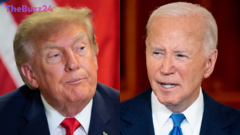
Israel at a Crossroads: The Foreign Policy Stakes of the Upcoming Election
As Israel approaches a pivotal national election, the political landscape remains intensely competitive. Recent polling indicates a dead heat between incumbent Prime Minister Benjamin Netanyahu and his primary challenger, former military chief Gadi Eisenkot. The outcome of this contest is expected to have profound implications for the nation’s security strategy and its long-term approach to the Palestinian territories.
Central to the debate is the future of the ongoing conflict in Gaza and the administration of the occupied West Bank. Voters are weighing two distinct visions for Israel’s foreign policy, with the candidates offering differing perspectives on how to manage regional stability and security threats. The result will likely dictate the trajectory of diplomatic relations and military engagement in the region for years to come.
Beyond the immediate security concerns, the election serves as a referendum on the current government’s handling of complex geopolitical challenges. With the electorate deeply divided, the incoming administration will face the daunting task of navigating international pressure while addressing domestic demands for stability and security. The international community remains watchful, as the shift in leadership could signal a significant pivot in Israel’s strategic posture toward its neighbors.
Key Takeaways
- Recent polling shows a near-tie between Benjamin Netanyahu and Gadi Eisenkot.
- The election outcome is set to significantly influence Israel's military and diplomatic strategy regarding Gaza and the West Bank.
- The contest represents a critical choice for voters between two divergent visions for national security and foreign policy.
Editor’s Analysis & Impact
The current electoral deadlock in Israel highlights a nation grappling with deep-seated ideological divisions regarding its security architecture. The competition between a seasoned incumbent and a former military leader underscores the primacy of defense policy in Israeli politics. From a market and geopolitical perspective, the uncertainty surrounding the election results introduces a period of volatility for regional stability. Should a new administration emerge, we may see a recalibration of diplomatic efforts, particularly concerning the Palestinian territories and broader Middle Eastern alliances. Investors and international observers should anticipate potential shifts in defense spending and regional trade policies, as the incoming government will be forced to balance domestic security imperatives with the evolving expectations of global partners. The long-term outlook remains contingent on the coalition-building process that follows the vote.
Frequently Asked Questions
Q: Who are the primary candidates in the current Israeli election?
A: The primary candidates mentioned are incumbent Prime Minister Benjamin Netanyahu and former military chief Gadi Eisenkot.
Q: Why is this election considered significant for the region?
A: The election is considered significant because the outcome will likely dictate Israel's future military and diplomatic approach to the conflict in Gaza and the occupied West Bank.
AI Disclosure: This article is based on verified data and official reports. Our Team and AI have cross-referenced every financial detail with primary sources to ensure total accuracy.
More from this Category