The End of the ‘Magnificent Seven’ Era: Why Market Leaders Are Diverging
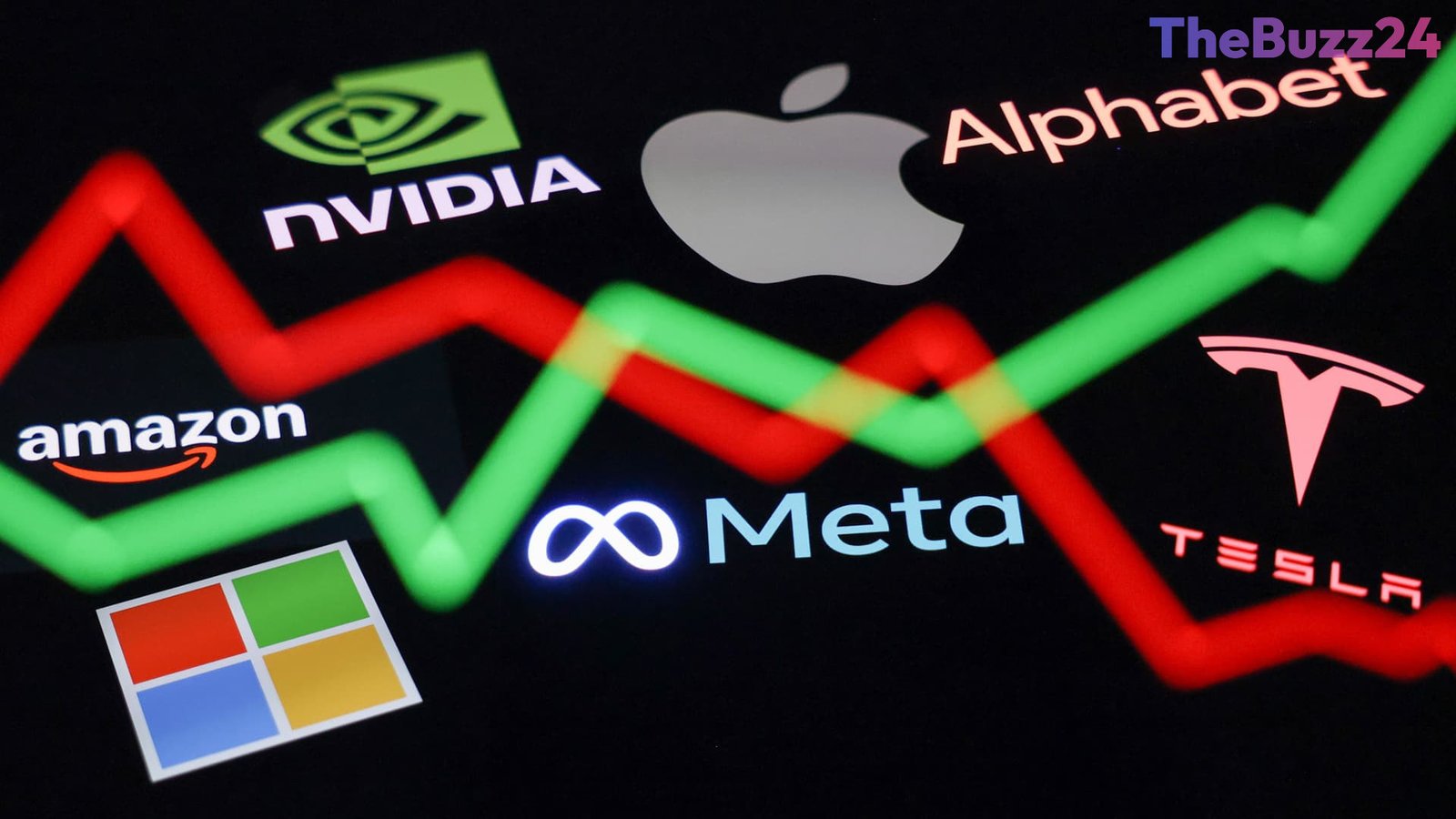
The era of treating the ‘Magnificent Seven’—Alphabet, Amazon, Apple, Meta, Microsoft, Nvidia, and Tesla—as a single, monolithic market trade is effectively over. Recent data indicates that the 60-day rolling correlation between these tech giants has plummeted to its lowest level in over a decade. This shift signals that investors are moving away from broad-basket buying and are instead focusing on the unique fundamental drivers and AI-specific strategies of each individual company.
This divergence is clearly reflected in year-to-date performance. While the group once moved in lockstep, the current market environment has created distinct winners and losers. Apple and Nvidia have managed to outperform the S&P 500, while others like Tesla and Meta have faced significant headwinds. Analysts suggest that the market is no longer rewarding these companies simply for their size; instead, investors are scrutinizing specific metrics, such as cloud growth for Microsoft and Amazon, or the practical application of consumer AI tools for Meta.
Market experts emphasize that this is not a sign of deteriorating fundamentals, but rather a maturation of the AI investment theme. As the hype surrounding artificial intelligence settles into a phase of practical implementation, the market is demanding proof of profitability and sustainable growth. Consequently, the ‘Magnificent Seven’ label is becoming less relevant as these companies carve out their own paths, forcing portfolio managers to adopt a more granular, stock-specific approach to their holdings.
Looking ahead, the focus remains on earnings reports and guidance. With each company facing different pressures—from chip demand durability for Nvidia to the pivot toward robotics for Tesla—the days of uniform gains for the group appear to be in the rearview mirror. Investors are now tasked with identifying which of these mega-caps can successfully navigate the transition from AI potential to tangible, long-term business value.
Key Takeaways
- The 'Magnificent Seven' stocks are no longer moving as a single, correlated block, requiring investors to shift toward a more granular, company-specific analysis.
- Performance divergence is increasing, with Apple and Nvidia currently leading the pack while others struggle with shifting market expectations and capital expenditure concerns.
- Investors are prioritizing fundamental growth drivers—such as cloud computing performance and AI application success—over the broad 'AI hype' that previously lifted all seven stocks together.
Editor’s Analysis & Impact
The breakdown of the ‘Magnificent Seven’ correlation marks a significant shift in market psychology. For years, these stocks acted as a proxy for the broader tech sector, benefiting from a ‘rising tide lifts all boats’ mentality driven by AI enthusiasm. However, as the market matures, the ‘AI premium’ is being recalibrated based on actual revenue realization rather than speculative potential. This transition is healthy for the broader economy, as it forces capital to flow toward companies with the most efficient business models rather than simply the largest market caps. Moving forward, we expect increased volatility for individual stocks within this cohort as earnings reports become the primary catalyst for price action. The broader implication is a return to traditional stock picking, where fundamental analysis of cloud margins, hardware demand, and software integration will once again dictate market leadership.
Frequently Asked Questions
Q: Why are the 'Magnificent Seven' stocks no longer moving together?
A: The stocks are diverging because investors are shifting their focus from broad AI hype to company-specific fundamentals, such as individual cloud growth, hardware demand, and the ability to monetize AI applications.
Q: Does the divergence of these stocks suggest a market crash?
A: No, analysts generally view this as a healthy transition. It indicates that the market is becoming more discerning and is rewarding companies based on their actual business performance rather than just their association with the AI sector.
AI Disclosure: This article is based on verified data and official reports. Our Team and AI have cross-referenced every financial detail with primary sources to ensure total accuracy.
More from this Category