Inside Israel’s Political Stalemate: Deepening Societal Fractures and the Coalition Dilemma
Israel’s recent parliamentary election has underscored profound internal divisions, leaving the nation’s political landscape gridlocked without a definitive path toward a stable administration. While record voter turnout across diverse communities highlighted a resilient commitment to civic participation, the resulting ballot distribution failed to grant either major political bloc a decisive majority in the Knesset. This parliamentary stalemate reflects a fragmented societal structure that struggles to find common ground amid competing visions for the country’s future.
The electoral outcome exposed multiple layers of societal friction, ranging from the long-standing debate over military service exemptions for ultra-Orthodox youth to intense ideological battles regarding judicial policies and post-conflict security strategies. The stark contrast between secular, high-tech urban centers and religiously conservative communities illustrates divergent priorities regarding state subsidies, lifestyle expectations, and national obligations. Furthermore, the strong showing by far-right factions alongside significant participation from Arab citizens underscores a fractured electorate with irreconcilable political aspirations.
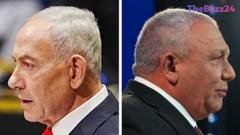
Forming a functional governing coalition now requires unprecedented compromises among ideological rivals who have historically rejected cooperation. Potential pathways involve difficult negotiations between embattled veteran leadership, right-wing opposition figures, and Arab political representatives—all of whom face the risk of alienating their core bases. As political leaders begin consultations to prevent yet another expensive and exhausting round of elections, the core challenge remains whether Israel’s diverse populace can unite under a shared national identity despite widening internal fault lines.
Key Takeaways
- Israel's recent election resulted in a severe parliamentary deadlock, leaving neither major political bloc with a clear governing majority.
- The ballot highlighted deep societal fractures, including tensions between secular and ultra-Orthodox populations, as well as debates over military service and judicial reforms.
- Forming a stable government will require difficult compromises, potentially forcing adversarial political factions and Arab parties into uncomfortable coalitions.
Editor’s Analysis & Impact
The ongoing political instability in Israel carries significant implications for regional policy, economic stability, and international alliances. Protracted coalition negotiations or the prospect of repeat elections create a vacuum of decisive governance precisely when critical security and budgetary decisions are required. Beyond the immediate political maneuvering, the deepening cultural and ideological divides threaten the social cohesion necessary for long-term state resilience. Markets and international partners will closely monitor how the nation navigates these internal pressures, as prolonged uncertainty could impact foreign investment, technological innovation sectors, and broader geopolitical strategies in the Middle East.
Frequently Asked Questions
Q: Why did the recent election result in a deadlock in Israel?
A: The election produced an inconclusive outcome because neither the opposing political blocs nor individual parties secured a majority of seats in the Knesset, a consequence of the country's proportional representation system and a deeply fragmented electorate.
Q: What are some of the main societal divisions highlighted by the vote?
A: Key divisions include tensions between secular and ultra-Orthodox communities regarding military service and state subsidies, debates over judicial reforms, differing responses to recent security crises, and the ideological gap between far-right nationalists and Arab citizens.
Q: What options do political leaders have to resolve the crisis?
A: Leaders must choose between forming complex, unconventional coalitions involving former rivals—such as bridging gaps between right-wing figures, centrist opposition groups, and Arab parties—or risk failing to form a government, which could trigger another general election.
AI Disclosure: This article is based on verified data and official reports. Our Team and AI have cross-referenced every financial detail with primary sources to ensure total accuracy.
More from this Category