EU and Canada Deepen Diplomatic and Trade Ties at Montreal Summit Amid Global Friction
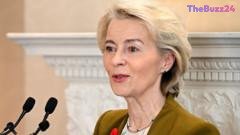
European Commission President Ursula von der Leyen and Canadian Prime Minister Mark Carney met at a major two-day summit in Montreal to establish an unprecedented bilateral framework aimed at strengthening economic, technological, and security ties. Von der Leyen presented a vision of enhanced integration that could grant Canada a novel status resembling an associate partnership, emphasizing close cooperation on policy alignment, scientific research, and commercial exchange.
While both sides expressed strong enthusiasm for cementing closer relations, the specific terminology framing the agreement generated debate among European member states. European officials, including representatives from Germany, expressed caution regarding the formal use of the term “associate membership,” preferring language that emphasizes an “ever closer association” to distinguish the arrangement from traditional candidate accessions such as those involving Ukraine or Moldova. Nonetheless, bilateral discussions pressed forward, focusing on concrete deliverables across critical mineral supply chains, defence procurement, trade, and academic exchanges.
The strategic pivot toward Europe comes as Ottawa seeks to diversify its international alliances amid persistent trade tensions and tariff threats from the United States. US President Donald Trump publicly dismissed the concept of formal Canadian integration with the European bloc, warning of potential economic countermeasures if the move were deemed hostile. Meanwhile, domestic political figures in Canada, including Conservative opposition leader Pierre Poilievre, voiced skepticism over the economic priorities of the summit, arguing that diplomatic rhetoric does little to ease immediate domestic cost-of-living concerns.
Despite differing political opinions, practical steps toward deeper integration are already underway. Canada recently secured procurement access under the European Security and Defence Partnership framework and finalized a long-term energy deal to supply liquified natural gas to European markets. Furthermore, Canada’s newly released National Security Strategy explicitly highlights European security as a core national objective, signaling a sustained, multi-faceted commitment to transatlantic cooperation.
Key Takeaways
- European Commission President Ursula von der Leyen proposed a novel framework for deeper partnership between Canada and the European Union at a summit in Montreal.
- The initiative aims to enhance cooperation across trade, critical minerals, defence procurement, and scientific research without requiring full EU membership fees.
- The push toward Europe reflects Ottawa's strategy to diversify economic and security ties amid trade friction with the United States and global geopolitical shifts.
Editor’s Analysis & Impact
The diplomatic summit in Montreal underscores a broader global shift toward strategic realignment as middle powers and trade blocs seek resilience against geopolitical volatility. For Canada, forging deeper ties with the European Union provides crucial leverage and diversification away from single-market reliance on the United States, particularly amidst re-emerging protectionist policies and tariff warnings from Washington. From the European perspective, securing reliable partners for critical minerals, energy supplies like liquified natural gas, and shared defence innovation is vital for long-term economic security. While debates over formal terminology highlight internal EU complexities regarding membership definitions, the operational momentum—spanning joint defence access and research initiatives—demonstrates that bilateral pragmatic cooperation is advancing rapidly regardless of administrative titles.
Frequently Asked Questions
Q: What is the proposed 'associate membership' status for Canada?
A: It is a proposed framework designed to grant Canada unprecedented access to European Union programs, policy alignment, and research initiatives without full membership status or standard EU membership fees.
Q: Why is Germany hesitant about calling Canada an 'associate member'?
A: German diplomats raised concerns that using 'associate member' for Canada could create confusion with existing EU diplomatic frameworks used for candidate nations seeking full accession, such as Ukraine.
Q: How has the United States responded to Canada's closer ties with the EU?
A: US President Donald Trump criticized the initiative as unrealistic and warned that any developments perceived as hostile toward US trade interests could trigger tariffs.
AI Disclosure: This article is based on verified data and official reports. Our Team and AI have cross-referenced every financial detail with primary sources to ensure total accuracy.
More from this Category