Tech Titans Musk and Zuckerberg Embrace ‘Super Intelligence’ Amid Shifting AI Terminology
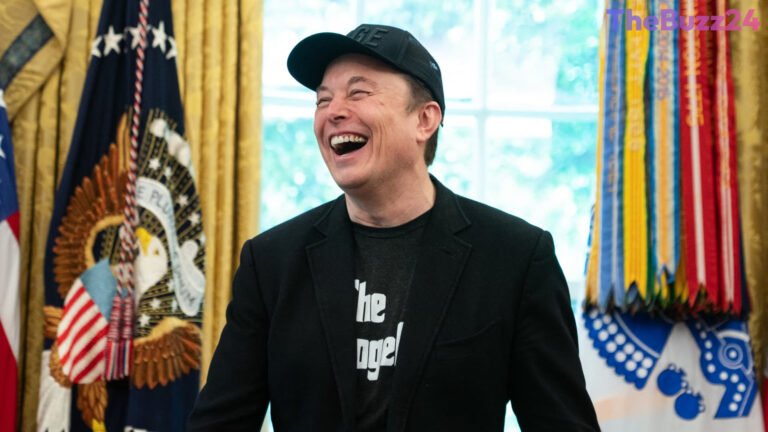
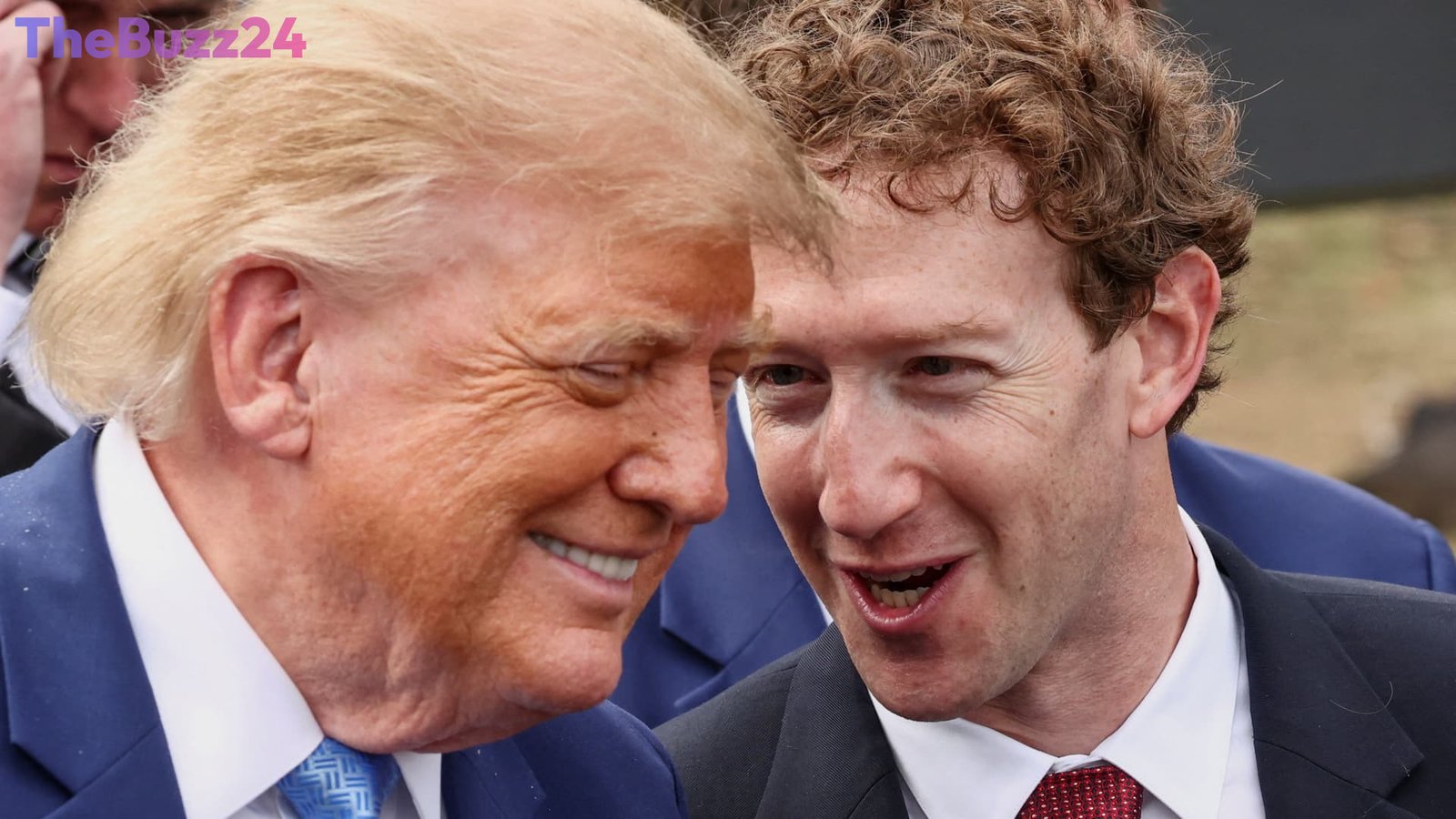
In a notable shift echoing recent directives, tech leaders Elon Musk and Mark Zuckerberg have begun incorporating the term “super intelligence” (SI) into their public discourse, particularly during recent third-quarter earnings calls. This adoption follows a directive from former President Donald Trump, who ordered the term “super intelligence” to replace “artificial intelligence” (AI) within government agencies. Musk, at the helm of Tesla and SpaceX, and Zuckerberg, leading Meta, have aligned their language with this new terminology, signaling a potential trend among some prominent figures in the technology sector.
Musk, speaking on Tesla’s earnings call, referenced his work on humanoid robots, noting that while impressive, they “aren’t really using any kind of advanced AI or SI.” He had previously renamed SpaceX’s AI division to SpaceXSI. Similarly, Zuckerberg highlighted Meta’s “goal of delivering personal superintelligence to everyone” on the company’s earnings call, a move that aligns with Meta’s existing “Meta Superintelligence Labs” established last year.
However, this rebranding effort has not been universally adopted by other major tech executives. CEOs from industry giants such as Microsoft, Amazon, and Alphabet continued to use the established term “AI” during their respective earnings calls. Microsoft CEO Satya Nadella emphasized “designing AI to empower people,” while Amazon CEO Andy Jassy frequently used the acronym AI. Alphabet CEO Sundar Pichai also pointed to “AI investments” driving growth for the search giant. This divergence suggests a mixed reception to the proposed terminology shift within the broader tech leadership.
The push to rebrand AI as “super intelligence” comes at a politically charged time, with the former president advocating for the change. While some tech leaders are embracing the new term, others appear to be maintaining the status quo, at least in their public financial reporting. Despite this, the term “super intelligence” is gradually appearing in other corporate communications, such as Microsoft’s annual report, indicating a subtle but present influence of the proposed terminology shift.
Key Takeaways
- Elon Musk and Mark Zuckerberg have adopted the term 'super intelligence' in public statements, aligning with a directive from former President Donald Trump.
- Other major tech CEOs from companies like Microsoft, Amazon, and Alphabet continue to use the term 'artificial intelligence' (AI) in their earnings calls.
- The shift in terminology reflects a broader discussion and potential political influence on how advanced technology is described in the corporate and governmental spheres.
Editor’s Analysis & Impact
The divergence in terminology between tech leaders regarding AI versus ‘super intelligence’ highlights a fascinating intersection of technological advancement and political influence. While Musk and Zuckerberg’s adoption of the term signals a willingness to align with specific political directives, the continued use of ‘AI’ by other major players suggests that established industry language and market perception remain powerful forces. This debate over nomenclature could have subtle implications for public understanding, regulatory discussions, and the branding of future AI-driven products and services. The industry’s response will be closely watched as the technology continues its rapid evolution.
Frequently Asked Questions
Q: Why are some tech leaders using 'super intelligence' instead of 'AI'?
A: Elon Musk and Mark Zuckerberg have adopted the term 'super intelligence' following a directive from former President Donald Trump, who ordered its use within government agencies. This suggests a potential alignment with political messaging or a strategic choice to adopt the preferred terminology.
Q: Have all tech companies changed their terminology?
A: No, not all tech companies have adopted the term 'super intelligence.' CEOs from major companies like Microsoft, Amazon, and Alphabet have continued to use the established term 'artificial intelligence' (AI) in their recent public statements and earnings calls.
Q: What is the significance of this terminology shift?
A: The shift in terminology could influence public perception, regulatory discussions, and the branding of AI technologies. It highlights the intersection of politics and the tech industry, and how language can be used to shape narratives around advanced technologies.
AI Disclosure: This article is based on verified data and official reports. Our Team and AI have cross-referenced every financial detail with primary sources to ensure total accuracy.
More from this Category