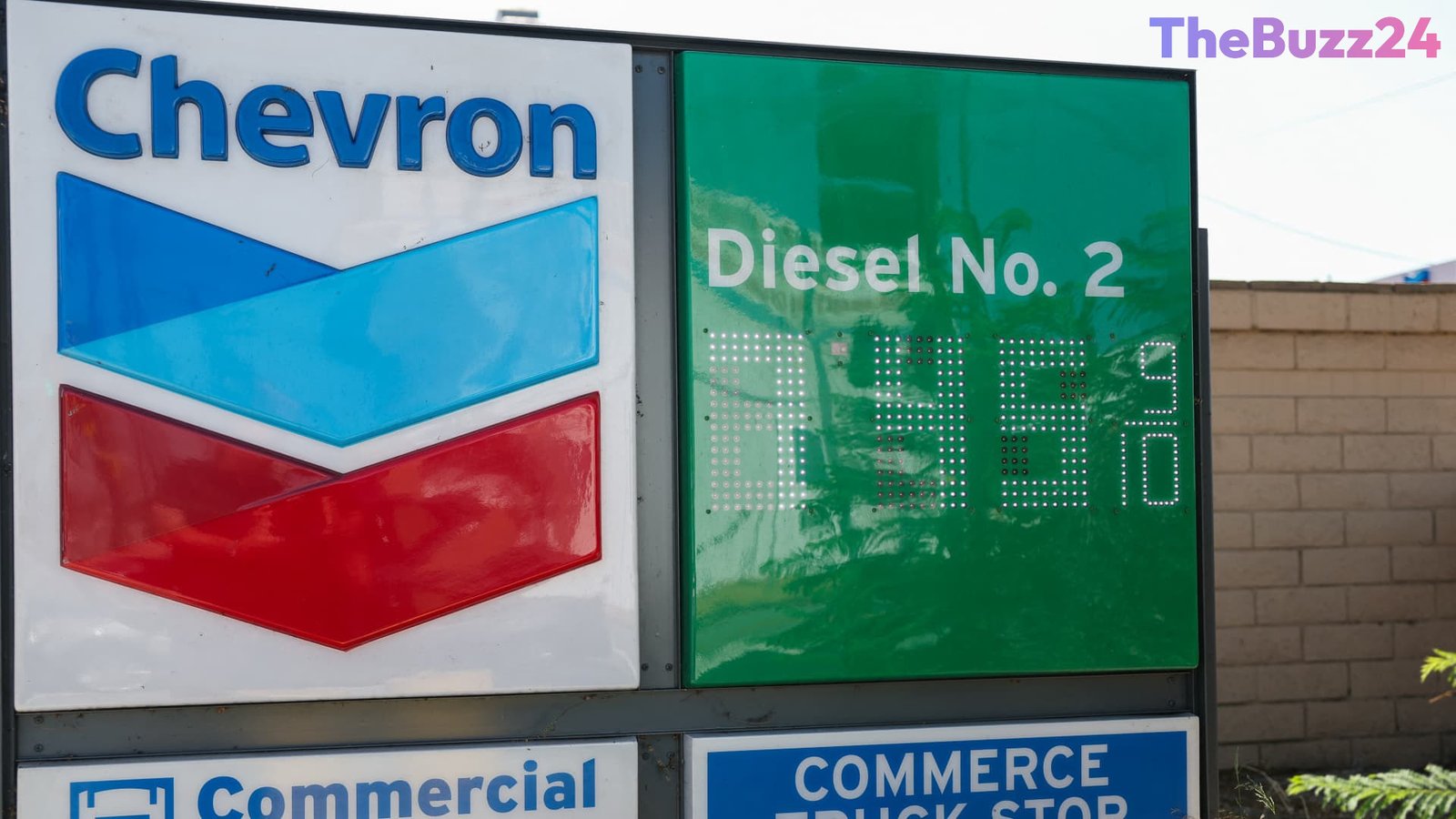
Refining Profit Surge Propels Chevron and ExxonMobil to Beat Third-Quarter Expectations
Major U.S. energy giants Chevron and ExxonMobil have posted staggering third-quarter financial results, driven by an unprecedented surge in global refining profits. Both corporations capitalized on high international demand and tight supplies for diesel fuel, pushing their domestic refining facilities to operate at or near maximum capacity to fill the void left by disruptions in other parts of the world.
Chevron announced a net income increase of nearly 200%, reaching $9.9 billion, or $5.06 per share. Adjusted for one-time items, the company’s earnings hit $5.28 per share, comfortably surpassing consensus estimates from Wall Street analysts. The corporation’s U.S. refineries processed record volumes of crude oil, exceeding one million barrels per day at a remarkable 98% utilization rate, with jet fuel and diesel yields increasing by over 10%.
Similarly, ExxonMobil reported that its profits doubled to $15.4 billion, or $3.72 a share, with adjusted earnings coming in at $4.23 per share to beat market forecasts. Exxon’s Gulf Coast facilities operated at full 100% capacity, achieving their second-highest diesel production levels on record. This robust output propelled the company’s refining division to generate approximately $7.2 billion for the quarter, slightly outpacing the earnings from its traditional oil and gas production sector.
Key Takeaways
- Chevron and ExxonMobil both reported massive third-quarter profit increases, easily beating Wall Street expectations.
- Surging global diesel prices and international supply disruptions allowed U.S. refineries to operate at near-maximum capacity.
- Refining divisions for both energy giants played a major role, with Exxon's refining profits even outpacing its oil and gas production earnings.
Editor’s Analysis & Impact
The third-quarter performance of Chevron and ExxonMobil highlights a unique structural shift where downstream refining operations have become massive profit drivers, occasionally overshadowing upstream exploration and production. This dynamic was heavily influenced by geopolitical conflicts and infrastructure damages abroad, which constrained global diesel supply and sent refining margins soaring. While these extraordinary profits reflect short-term market imbalances and high fuel costs for consumers, they also demonstrate the agility of U.S. energy infrastructure in pivoting to meet international shortfalls. Looking ahead, the sustainability of these margins will largely depend on the resolution of global conflicts, ongoing inventory levels, and the long-term transition toward alternative energy sources.
Frequently Asked Questions
Q: Why did refining profits surge for Chevron and ExxonMobil?
A: Refining profits surged due to a combination of high global demand and constrained international diesel supplies, which were exacerbated by conflicts and infrastructure damage in regions like Eastern Europe and the Middle East.
Q: How did Chevron and ExxonMobil perform relative to Wall Street expectations?
A: Both energy companies easily beat Wall Street expectations for the third quarter, driven by record-high domestic refining utilization and robust diesel production.
AI Disclosure: This article is based on verified data and official reports. Our Team and AI have cross-referenced every financial detail with primary sources to ensure total accuracy.
More from this Category