Google’s Orbital AI: First Data Center Satellite Goes Live, Writes Space Poetry
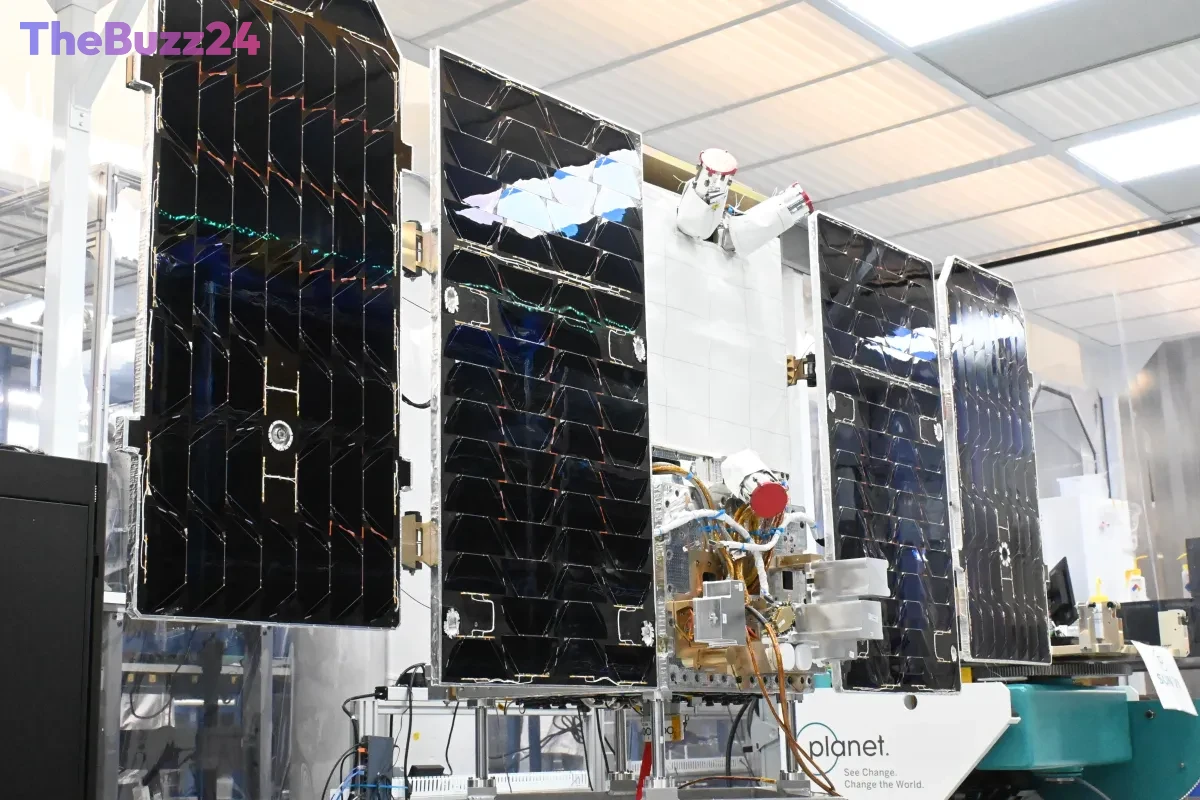
Google’s ambitious Suncatcher project has achieved a significant milestone with its first prototype data center satellite now operational in orbit. Launched earlier this month aboard a SpaceX Falcon 9 rocket, the satellite is actively communicating with ground control, marking a crucial step towards realizing Google’s vision of distributed computing in space.
The satellite is equipped with four Google Tensor Processing Units (TPUs) and capable of generating up to 1 kilowatt of electricity. While the power demands of the TPUs limit continuous operation to approximately 20 minutes at a time, this initial deployment is designed to test the feasibility of running complex AI inference tasks in orbit. Following a three-week commissioning period to verify its subsystems, the satellite successfully received its first command: to compose a haiku about its existence in space using the pre-loaded Gemma 4 model from Google DeepMind. The resulting poem read: “Blue marble below / Data streams in silent grace / Starlight feeds my core.”
Beyond creative endeavors, the satellite is also tasked with reporting on its orbital environment. Engineers are closely monitoring the performance of the TPUs under the harsh conditions of space, particularly the effects of radiation. While ground-based simulations suggest minimal impact on inference workloads, real-world testing is essential to understand how cosmic radiation might affect the hardware, potentially causing ‘bit flips’ that could corrupt data undetected by standard monitoring tools. The success of this prototype is a precursor to a planned 2027 launch of two more advanced satellites, which will feature enhanced power generation and inter-satellite optical links.
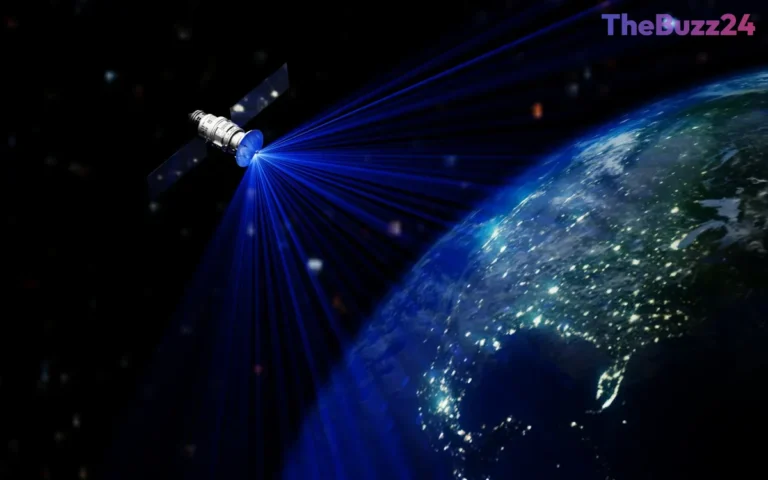
This initiative positions Google as a pioneer in the nascent field of space-based data centers. Unlike some competitors focusing on individual satellite inference, Google’s Suncatcher aims for high-speed inter-satellite links to enable coherent, distributed workloads. This strategy, alongside SpaceX’s own data center ambitions, relies heavily on the development and rapid reusability of SpaceX’s Starship rocket. The long-term economic viability of such projects, as highlighted in recent analyses, hinges on significant advancements in launch vehicle efficiency, underscoring Google’s commitment to infrastructure solutions for the 2030s.
Key Takeaways
- Google's first prototype data center satellite, Suncatcher, is now operational in orbit and communicating with Earth.
- The satellite is testing Google's Tensor Processing Units (TPUs) for AI inference in space, including generating poetry and reporting on orbital conditions.
- Future plans include launching more advanced satellites with inter-satellite links, potentially relying on SpaceX's Starship for cost-effective deployment.
Editor’s Analysis & Impact
Google’s Suncatcher project represents a bold leap into the future of computing, aiming to leverage the unique environment of space for advanced AI processing. The successful deployment of the prototype satellite, despite operational constraints like limited TPU uptime, demonstrates a tangible commitment to this long-term vision. The challenges of radiation and power management in orbit are significant hurdles, but overcoming them could unlock new paradigms for data processing and connectivity. This endeavor is intrinsically linked to the broader AI race and the development of next-generation launch capabilities, positioning Google at the intersection of cutting-edge technology and ambitious infrastructure development.
Frequently Asked Questions
Q: What is Google's Suncatcher project?
A: Suncatcher is Google's initiative to develop and deploy data centers in orbit, utilizing satellites equipped with advanced processing units like TPUs to perform AI inference tasks in space.
Q: Why is Google launching data centers into space?
A: The goal is to explore new frontiers in computing by leveraging the unique conditions of space, potentially enabling faster processing, new types of AI applications, and distributed computing networks that are not feasible on Earth.
Q: What are the main challenges for space-based data centers?
A: Key challenges include managing power consumption, dealing with the harsh space environment (like radiation), ensuring reliable space-to-ground communication, and achieving cost-effective deployment and operation, often relying on advanced rocket technology.
AI Disclosure: This article is based on verified data and official reports. Our Team and AI have cross-referenced every financial detail with primary sources to ensure total accuracy.
More from this Category