Theranos Whistleblower Warns Artificial Intelligence Boom Mirrors Historic Corporate Deception
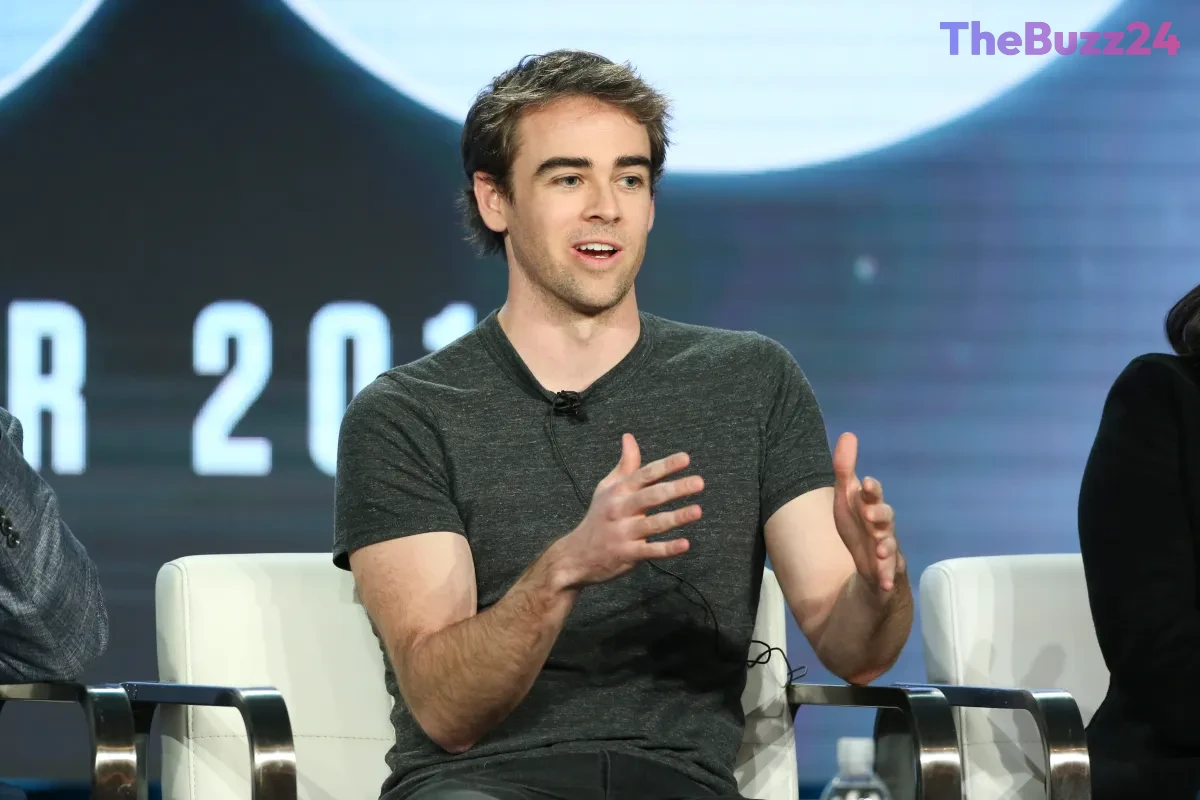
As the artificial intelligence sector attracts unprecedented capital inflows and skyrocketing valuations, early warnings are emerging from a familiar voice in corporate accountability. Tyler Shultz, the former employee who famously exposed the widespread blood-testing fraud at Theranos, has drawn sharp parallels between the unchecked hype of past corporate scandals and the current landscape of emerging technologies. He cautions that the rapid acceleration of the AI industry creates a fertile environment for misleading claims and a lack of rigorous financial and technological oversight.
The historical context of Theranos serves as a stark reminder of the dangers associated with inadequate investor due diligence. At its height, the defunct blood-testing enterprise achieved a staggering valuation without possessing functional proprietary technology, relying heavily on secrecy and the exploitation of individual investors rather than traditional venture capital scrutiny. Shultz emphasizes that the mechanisms used to secure immense funding rounds in the past have evolved, warning that contemporary investors face unique challenges in distinguishing between genuine technological breakthroughs and superficial software modifications.
Furthermore, the complexity inherent in modern artificial intelligence systems complicates the verification process for financial backers. Evaluating the authentic capabilities of machine learning models requires specialized technical insight that many standard investors may lack. This opacity increases the risk of market overvaluation and malicious exploitation by entities seeking to capitalize on the current technological fervor. As industry stakeholders navigate this new frontier, the lessons of past corporate governance failures remain critically relevant for safeguarding financial markets and maintaining public trust.
Key Takeaways
- Tyler Shultz warns that the artificial intelligence boom creates a high-risk environment for corporate deception and unverified claims.
- Modern AI systems present unique due diligence challenges, making it difficult for investors to distinguish between true innovations and superficial wrappers.
- The oversight failures and secrecy tactics seen in past corporate frauds highlight the urgent need for stricter evaluation standards in the tech sector.
Editor’s Analysis & Impact
The parallel drawn between the Theranos scandal and the current artificial intelligence boom highlights a critical vulnerability in modern capital allocation. As trillions of dollars flow into emerging technologies, the pressure to secure early positions often supersedes rigorous technical and financial due diligence. Unlike traditional software, advanced artificial intelligence models are notoriously difficult to audit for non-technical stakeholders, creating an information asymmetry that bad actors can easily exploit. If market participants fail to demand transparency and verifiable proof of capability, the tech ecosystem risks inflating asset bubbles driven by marketing rather than utility. Moving forward, venture capitalists and institutional investors must adapt their evaluation frameworks to address the specific opacity of machine learning architectures, or risk repeating the high-profile governance failures of the past.
Frequently Asked Questions
Q: Who is Tyler Shultz?
A: Tyler Shultz is a key whistleblower who exposed the fraudulent and dangerously inaccurate blood-testing technology at the now-defunct company Theranos.
Q: Why does Shultz believe the AI boom is vulnerable to deception?
A: He argues that it is extremely difficult to conduct proper due diligence on artificial intelligence, making it hard for investors to tell the difference between genuine technological innovation and superficial software wrappers.
Q: What lessons from the Theranos scandal apply to the current tech market?
A: Investors must prioritize rigorous due diligence, demand transparency regarding underlying technology, and avoid relying solely on prestige or secrecy justifications when funding high-valuation startups.
AI Disclosure: This article is based on verified data and official reports. Our Team and AI have cross-referenced every financial detail with primary sources to ensure total accuracy.
More from this Category