DoorDash Reveals AI Agent Ordering Remains in Early Stages
Despite the widespread industry hype surrounding the integration of autonomous AI agents into the e-commerce landscape, DoorDash has reported that the actual volume of orders processed through these third-party tools remains minimal. During the company’s third-quarter earnings call, leadership disclosed that they have observed only a few hundred orders originating from external AI agents, such as Muse, Instinct, and Fo. This figure is negligible when measured against the company’s massive scale, which sees an average of 3 million deliveries completed daily.
DoorDash CEO Tony Xu addressed the discrepancy between current market speculation and actual consumer behavior, emphasizing a pragmatic approach to emerging technology. While acknowledging that the company is closely monitoring the evolution of agentic commerce, Xu noted that the vast majority of customers continue to rely on the traditional DoorDash app to place their orders. He stressed the importance of avoiding ‘delusional’ expectations regarding the speed of AI adoption while remaining open to future opportunities, including potential advertising models within these automated platforms.
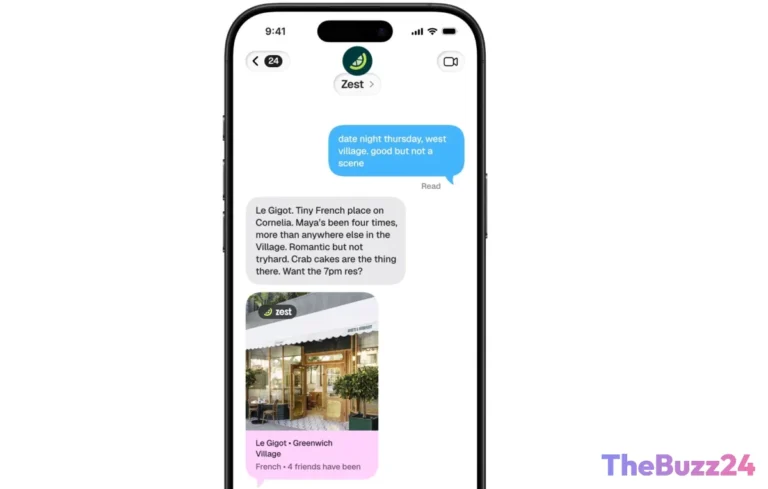
To maintain its competitive edge, DoorDash is actively developing its own suite of AI-driven tools. Recent initiatives include a text-to-order agent, a command-line interface (CLI) agent, and a chatbot dubbed ‘Ask DoorDash,’ which facilitates ordering through photo and text prompts. Furthermore, the company has introduced a Model Context Protocol (MCP) to streamline corporate ordering via third-party chatbots. As the broader retail sector remains divided on how to handle AI agents—with some companies like Amazon restricting access while others like Walmart embrace them—DoorDash is positioning itself to adapt to whichever model eventually gains consumer traction.
Key Takeaways
- DoorDash reports only 'several hundred' orders from third-party AI agents, a tiny fraction of its 3 million daily deliveries.
- CEO Tony Xu advocates for a balanced approach, focusing on internal AI development while monitoring external agent trends.
- The retail industry is currently split on AI agent integration, with major players like Amazon and Walmart taking opposing stances on access.
Editor’s Analysis & Impact
The data provided by DoorDash serves as a reality check for the ‘AI agent’ narrative currently dominating tech discourse. While the potential for autonomous commerce is high, the friction in user experience and the lack of widespread consumer trust in AI-mediated transactions are significant hurdles. DoorDash’s strategy of ‘not fighting gravity’ while maintaining a cautious, data-driven rollout suggests that the company is hedging its bets. The industry is currently in a ‘wait and see’ phase where the primary challenge is not just the technology itself, but the legal and technical frameworks governing how these agents interact with proprietary platforms. As companies like Walmart and Amazon continue to test different access models, we can expect a period of volatility before a standardized approach to agentic commerce emerges.
Frequently Asked Questions
Q: Are AI agents currently a major source of revenue for DoorDash?
A: No, DoorDash reported that orders from third-party AI agents currently number only in the hundreds, which is statistically insignificant compared to their daily volume of 3 million deliveries.
Q: What is DoorDash doing to compete in the AI space?
A: DoorDash has launched several internal tools, including a text-to-order agent, a CLI agent, and a chatbot called 'Ask DoorDash' that allows users to place orders using prompts and photos.
AI Disclosure: This article is based on verified data and official reports. Our Team and AI have cross-referenced every financial detail with primary sources to ensure total accuracy.
More from this Category