Beyond Policy: How US Midterm Candidates Are Using Style to Win Votes
As Americans head to the polls for the crucial US midterm elections, candidates are increasingly recognizing that their appearance can be as impactful as their policy proposals. In today’s visually driven media landscape, personal style has emerged as a powerful tool for candidates to capture attention, convey authenticity, and connect with voters on a deeper level.
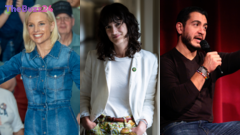
Fashion stylists and political analysts observe that politicians are strategically adopting wardrobes that serve a dual purpose: projecting competence for office while simultaneously signaling relatability to the electorate. This trend is evident across the country, with candidates tailoring their sartorial choices to resonate with their specific constituencies and regional identities. For instance, some Democrats, like Marie Gluesenkamp Perez in Washington, are embracing a relaxed, workwear-inspired aesthetic featuring flannel shirts and jeans, aiming to embody a connection to the working class and the Pacific Northwest’s outdoor culture. Similarly, Alaska Senate candidate Mary Peltola incorporates traditional indigenous elements and rugged outdoor gear into her look, reinforcing her native Alaskan roots and campaign themes.
Conversely, other candidates are opting for bolder displays of patriotism. Iowa Republican Ashley Hinson has been seen in outfits that prominently feature American flag motifs, including bedazzled shoes and red, white, and blue attire. This approach, described as “classic Americana,” aims to project a strong, unambiguous national identity, particularly appealing to rural voters. The strategic advantage lies in creating a clear visual brand that can be instantly recognized and understood in the fast-paced world of social media and political campaigning.
The traditional suit and tie appear to be waning in favor of more personalized and regionally relevant attire. In Texas, both Republican Ken Paxton and Democrat James Talarico have been observed in relaxed blazers paired with cowboy boots, a choice that taps into the state’s cultural heritage and aims to appeal across party lines. This shift suggests a broader trend where candidates are shedding formal wear to appear more approachable and authentic, with some critics noting that even casual luxury items can inadvertently signal an out-of-touch lifestyle, as seen with criticism surrounding Paxton’s expensive watch and branded polo shirt. Ultimately, candidates are learning that a consistent and deliberate personal uniform can be a highly effective branding strategy in the modern political arena.
Key Takeaways
- Candidates in US midterm elections are using personal style and clothing choices as a strategic tool to connect with voters and project authenticity.
- Wardrobes range from workwear-inspired looks and regional attire to overt patriotic displays, depending on the candidate's message and target electorate.
- The traditional necktie is becoming less common on the campaign trail, replaced by more relaxed or regionally significant fashion choices that aim to build a distinct visual brand.
Editor’s Analysis & Impact
The increasing emphasis on personal style in political campaigns reflects a broader cultural shift towards visual communication and personal branding. As social media and television remain dominant platforms, candidates must cultivate a compelling image that resonates quickly with voters. This trend suggests a move away from purely policy-driven campaigns towards a more holistic approach where appearance and perceived authenticity play a significant role. The effectiveness of these sartorial strategies will likely influence future election cycles, potentially leading to even more curated and deliberate fashion choices by politicians aiming to capture attention and secure votes in an increasingly crowded media landscape.
Frequently Asked Questions
Q: Why are US midterm candidates focusing on their clothing?
A: Candidates are using their clothing to project authenticity, connect with specific voter demographics, and create a memorable visual brand in a media-saturated environment where first impressions are crucial.
Q: What does the shift away from traditional suits signify?
A: The move away from formal wear like suits and ties suggests a desire by candidates to appear more relatable, approachable, and in touch with the concerns of everyday voters, particularly in non-urban or working-class constituencies.
Q: Can a candidate's clothing choice backfire?
A: Yes, clothing choices can backfire if they are perceived as inauthentic, overly luxurious, or disconnected from the candidate's message or the electorate's values. For example, wearing expensive brands while discussing the cost of living can draw criticism.
AI Disclosure: This article is based on verified data and official reports. Our Team and AI have cross-referenced every financial detail with primary sources to ensure total accuracy.
More from this Category