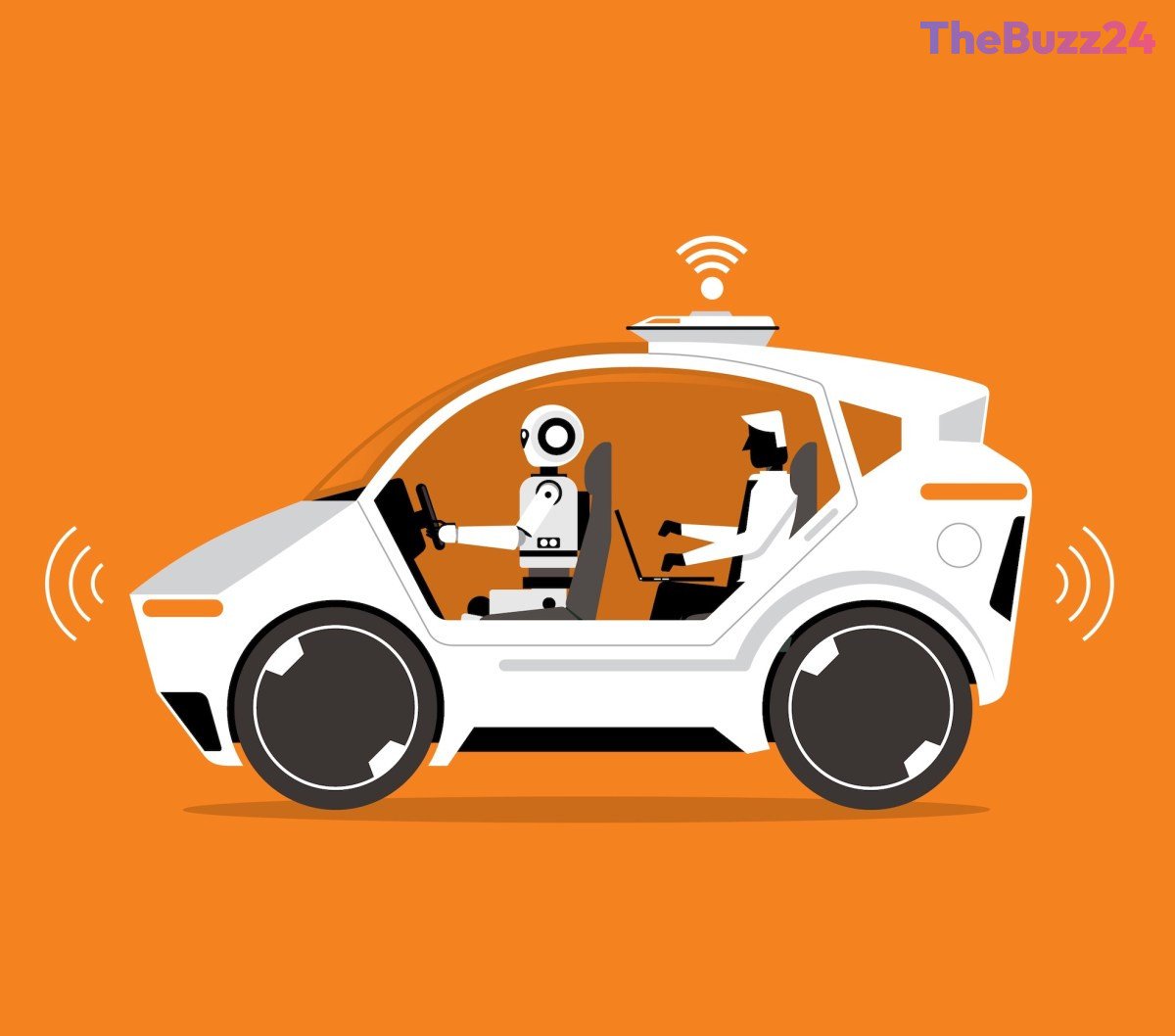
AI Ignites a New Era of Autonomous Vehicle Innovation and Strategic Market Shifts
The autonomous vehicle (AV) sector is experiencing an unprecedented surge, surpassing previous boom periods, largely propelled by transformative advancements in artificial intelligence. Venture capital firms specializing in early-stage investments, such as Trucks VC, report a significant increase in pitches from new AV startups, indicating a robust and rapidly expanding market. This renewed enthusiasm is attributed to technological breakthroughs, particularly the emergence of powerful foundational AI models that are revolutionizing how autonomous systems are developed and deployed.
These sophisticated AI models are enabling the creation of “end-to-end” architectures for AVs, a long-sought-after goal that promises to make autonomous technology more efficient, reliable, and scalable. The availability of open-source models, including Nvidia’s Alpamayo and Qwen’s vision-language-action models, has dramatically lowered the barrier to entry for new companies. Startups are now able to develop and deploy AV solutions within months and with significantly less initial capital, fostering a dynamic environment of rapid innovation. Interestingly, a growing number of these new ventures are focusing on pure-play robotaxi businesses, positioning themselves to compete with industry giants like Waymo, often by targeting specific regions or specialized routes.
Beyond the startup ecosystem, the broader mobility and logistics industries are witnessing substantial strategic moves and investments. Re:Build, a manufacturing accelerator linked to Amazon’s former commercial CEO Jeff Wilke, secured an impressive $2.1 billion in funding from major investors like General Catalyst and JPMorganChase to expand its hard tech manufacturing capabilities. Autonomous vehicle technology firm Bedrock Robotics also raised $600 million, pushing its valuation to $4.1 billion, with significant backing from CapitalG and Emergence Capital. In a major consolidation, DoorDash announced its intent to acquire Instacart for $17 billion, while Rivian’s successful R2 launch led to increased delivery guidance and an expanded joint venture with Volkswagen Group to include AI assistants.
Further illustrating the sector’s dynamism, Waymo and Toyota have formalized a manufacturing partnership, with Toyota producing AV-ready bZ4X vehicles integrated with Waymo’s self-driving system for international robotaxi services, hinting at future licensing for personal vehicles. Other notable developments include Kodiak AI’s binding deal to deliver 75 self-driving trucks to DTL Transport, Ford’s introduction of new EV chargers for its Fathom pickup, and GM’s strategic pivot towards hybrids alongside a significant settlement over past driver data-selling controversies. These diverse activities underscore a period of intense innovation, strategic realignment, and substantial capital flow across the entire autonomous and electric mobility landscape.
Key Takeaways
- The autonomous vehicle (AV) industry is experiencing an unprecedented boom, driven primarily by advancements in AI, particularly foundational models.
- This AI-fueled wave is lowering barriers to entry for startups, enabling rapid deployment and fostering competition, even for established players like Waymo, often in niche markets.
- Major industry players are engaging in significant investments, acquisitions, and strategic partnerships, signaling a transformative period for mobility and logistics.
Editor’s Analysis & Impact
The current surge in autonomous vehicle (AV) startups, primarily fueled by AI advancements, signals a profound shift in the mobility sector. The emergence of foundational AI models is not just an incremental improvement but a fundamental enabler, drastically lowering development costs and accelerating deployment timelines. This will intensify competition, potentially leading to a more diversified AV market with niche players challenging established giants. The significant investments and strategic partnerships, such as Waymo-Toyota and Rivian-VW, indicate a maturing industry moving beyond experimental phases towards commercialization and integration into broader transportation and logistics networks. Future implications include accelerated adoption of AVs in various sectors, from robotaxis to cargo delivery, and a potential reshaping of urban planning and supply chains. However, regulatory frameworks and public acceptance will remain critical factors influencing the pace and scale of this transformation.
Frequently Asked Questions
Q: What is driving the current boom in autonomous vehicle (AV) startups?
A: The current boom is primarily driven by significant advancements in artificial intelligence, particularly the development of powerful foundational AI models. These models enable more efficient and robust "end-to-end" AV systems, lowering development costs and accelerating deployment for new startups.
Q: How are new AV startups planning to compete with established players like Waymo?
A: Many new AV startups are focusing on pure-play robotaxi businesses and aim to compete by targeting specific geographic regions or specialized routes rather than attempting a global, large-scale challenge. The lower barrier to entry provided by advanced AI models allows them to deploy solutions quickly and efficiently in these niche markets.
Q: What are some of the significant recent developments in the broader mobility and logistics sector?
A: Recent developments include Re:Build securing $2.1 billion in funding, Bedrock Robotics raising $600 million at a $4.1 billion valuation, DoorDash's planned acquisition of Instacart for $17 billion, and a major manufacturing partnership between Waymo and Toyota for international robotaxi services. Rivian also expanded its joint venture with Volkswagen Group to include AI assistants, following strong performance of its R2 model.
AI Disclosure: This article is based on verified data and official reports. Our Team and AI have cross-referenced every financial detail with primary sources to ensure total accuracy.
More from this Category