Sustainable Luxury: How Material Startup Everbloom’s ‘Renoa’ Fiber Aims to Redefine Cashmere
Cashmere has long been celebrated as a cornerstone of textile luxury, powering high-end fashion lines like Loro Piana and Bruno Cucinelli alongside budget-friendly offerings from brands like Quince. However, traditional cashmere production presents growing environmental and practical challenges, including rangeland degradation across Central Asia and delicate care requirements. Addressing these limitations, material science startup Everbloom has developed “renoa”—the first new fiber classification approved by the U.S. Federal Trade Commission (FTC) in a quarter-century. Designed as a sustainable substitute for premium materials, renoa promises the soft feel of natural cashmere while remaining fully machine-washable and significantly more affordable.
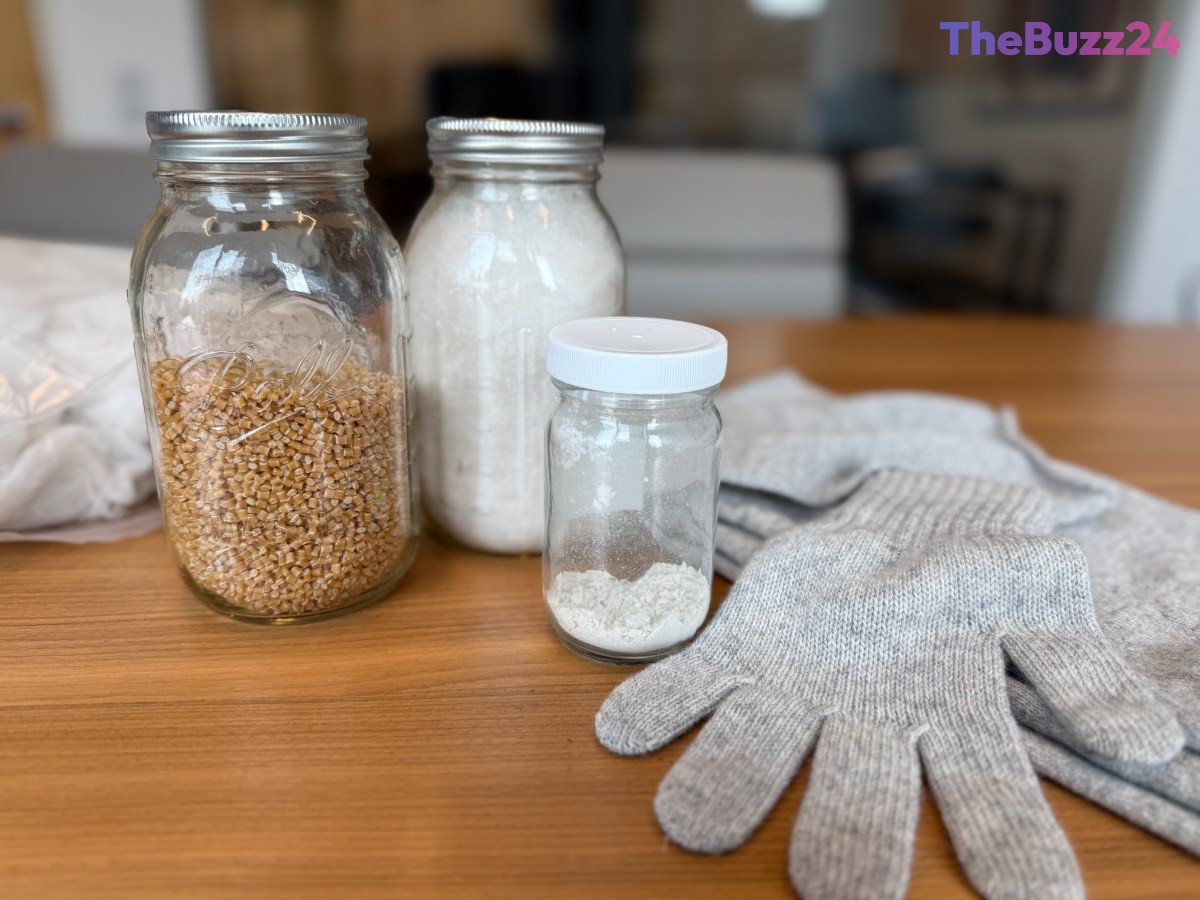
Engineered over three years using proprietary artificial intelligence models for material science, renoa converts discarded protein sources into high-performance textiles. The manufacturing process utilizes waste materials such as scrap cashmere, leftover wool, and feather lint from the bedding industry. Everbloom processes this waste into a fine powder, blends it with a biodegradable biopolymer, and extrudes the mixture into fibers carefully engineered to match the length and diameter of natural cashmere.
Garment prototypes, including knitted gloves, crewneck sweaters, and scarves, showcase remarkable resilience compared to conventional luxury knitwear. Testing indicates that items made with renoa withstand routine machine washing and tumble drying without shrinking or pilling, overcoming major care hurdles associated with traditional wools. Everbloom is currently collaborating with apparel manufacturers to incorporate renoa into commercial product lines, beginning with blended fabrics that pair 80% traditional cashmere with 20% renoa. The first consumer garments utilizing the new fiber are scheduled to hit retail shelves in the second quarter of 2027.
Key Takeaways
- Everbloom developed 'renoa,' securing the first FTC approval for a new fiber classification in 25 years.
- The material upcycles waste protein from feathers, cashmere, and wool scraps combined with a biodegradable biopolymer.
- Initial consumer products featuring renoa blends are expected to launch commercially in Q2 2027.
Editor’s Analysis & Impact
The debut of renoa marks a major milestone in textile technology and sustainable fashion. Historically, bio-based fiber alternatives have struggled to replicate the hand-feel and luxury perception of natural materials like cashmere. By leveraging artificial intelligence to engineer precise fiber geometries, Everbloom addresses both tactile expectations and durability challenges. The commercialization of machine-washable luxury fibers directly targets consumer frustration with garment maintenance while offering brands a pathway to lower their scope 3 supply chain emissions. If renoa achieves scale, it could accelerate a broader transition toward upcycled protein materials across the global textile market.
Frequently Asked Questions
Q: What materials are used to make renoa fiber?
A: Renoa is manufactured using repurposed waste proteins—including down feather lint, wool scraps, and discarded cashmere—blended with a biodegradable biopolymer.
Q: How does renoa differ from traditional cashmere?
A: While renoa provides a texture nearly identical to natural cashmere, it offers enhanced durability, machine-washability, and resistance to shrinking and pilling.
Q: When will renoa garments be available for purchase?
A: The first consumer products incorporating renoa fiber blends are expected to reach the market during the second quarter of 2027.
AI Disclosure: This article is based on verified data and official reports. Our Team and AI have cross-referenced every financial detail with primary sources to ensure total accuracy.
More from this Category