Google Pixel 11 Pro Fold Review: Refining the Form Factor Amid Rising Competition
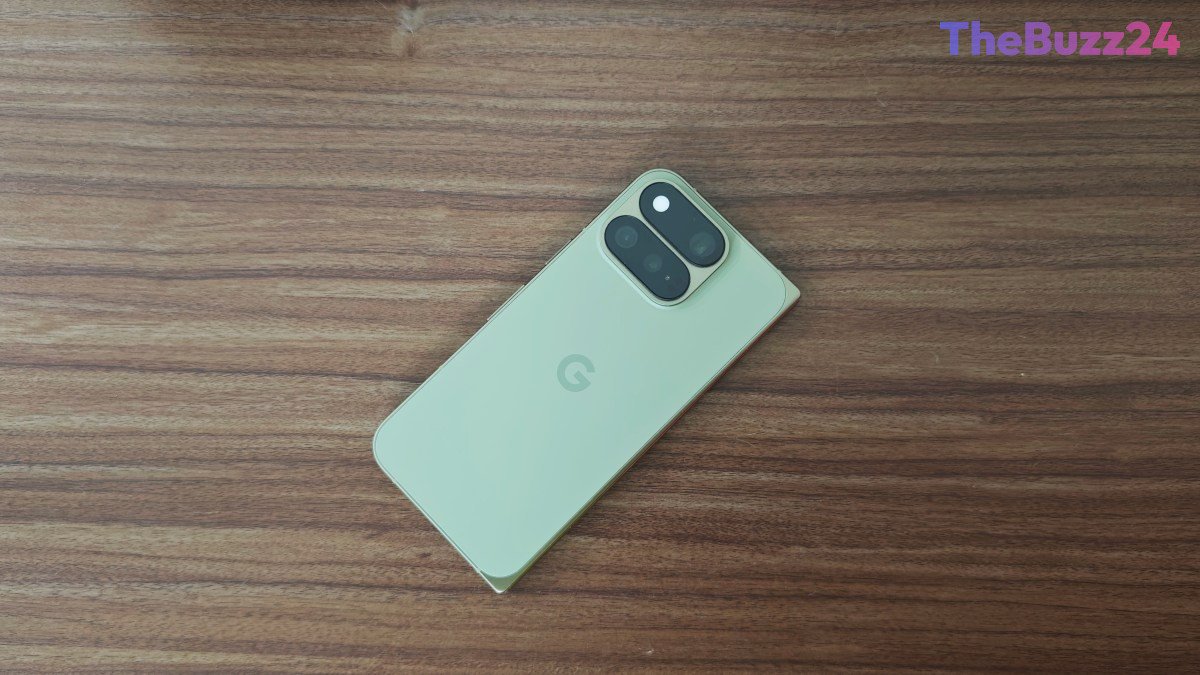
The foldable smartphone market continues to evolve rapidly, with manufacturers adopting distinct design philosophies. While some industry players embrace a wider, passport-style footprint, Google has maintained its signature tall, rectangular approach with the release of the Pixel 11 Pro Fold. Rather than completely reinventing the hardware, the latest iteration focuses on incremental refinements, offering a lighter chassis, enhanced durability, a significantly brighter display, and updated camera capabilities.
Measuring 5mm in thickness when unfolded and 10.1mm when folded, the new device is slightly slimmer than its predecessor and sheds roughly 19 grams. Google has notably ramped up the structural integrity, claiming a threefold increase in durability, bolstered by a glass-ceramic cover and a glass-fiber composite back. Despite these robust materials, the physical presence feels familiar. The outer display now reaches an impressive peak of 3,600 nits, drastically improving outdoor usability under direct sunlight, though the internal screen still retains a noticeable crease compared to some rival offerings.
On the software and productivity front, the device continues to excel in multitasking, allowing users to run two applications side by side. Google-native apps like Gmail take full advantage of the expanded real estate, though third-party software optimization remains an ongoing industry challenge. AI integrations via Gemini offer subtle yet practical enhancements, including contextual suggestions and streamlined messaging tools. Meanwhile, the camera system features an updated 48-megapixel main sensor and expanded 30x Super Res Zoom capabilities, delivering strong performance despite falling slightly short of the standard candybar flagship models.
Priced at $1,899, the Pixel 11 Pro Fold enters a fiercely competitive landscape dominated by rivals from Apple, Samsung, and various international manufacturers. While it may primarily appeal to dedicated ecosystem loyalists rather than first-time foldable buyers, the device successfully carves out its niche by delivering a dependable, durable, and highly functional foldable experience.
Key Takeaways
- The Pixel 11 Pro Fold features a lighter build, increased durability, and a 3,600-nit outer display.
- It maintains a tall, rectangular design philosophy amidst a growing market trend toward wider foldable screens.
- Priced at $1,899, it faces intense competition from high-end foldable offerings by Samsung, Apple, and other global brands.
Editor’s Analysis & Impact
The release of the Pixel 11 Pro Fold underscores the maturation of the foldable smartphone sector, where hardware iteration has largely replaced revolutionary redesigns. By focusing on durability, display brightness, and subtle software refinements rather than a total form-factor overhaul, Google is targeting a specific segment of power users and brand loyalists. However, as competitors lean heavily into ultra-thin designs and wider aspect ratios, the pressure on software developers to optimize apps for varied screen dimensions becomes paramount. The device’s success will ultimately depend less on incremental hardware tweaks and more on how effectively the software ecosystem adapts to multi-display environments.
Frequently Asked Questions
Q: How much does the Pixel 11 Pro Fold cost?
A: The Pixel 11 Pro Fold launches at a starting price of $1,899.
Q: What are the main physical improvements in the new Pixel foldable?
A: The new model is slightly thinner and 19 grams lighter than its predecessor, boasts a 3,600-nit peak brightness outer display, and features a chassis that Google claims is three times more durable.
Q: Does the Pixel 11 Pro Fold have the same cameras as the standard Pro slab phones?
A: No, while it features an updated 48-megapixel main sensor, its camera setup does not entirely match the performance capabilities of the standard Pixel 11 Pro or Pro XL models.
AI Disclosure: This article is based on verified data and official reports. Our Team and AI have cross-referenced every financial detail with primary sources to ensure total accuracy.
More from this Category