Holiday Spending Paradox: Consumers Prioritize Physical Gifts Despite Travel Dreams
Despite a strong desire for travel and experiences, American consumers are leaning towards purchasing physical gifts this holiday season, according to a recent analysis by Visa. This trend emerges as consumers navigate increased costs for travel and everyday goods, forcing a more deliberate approach to their holiday budgets.
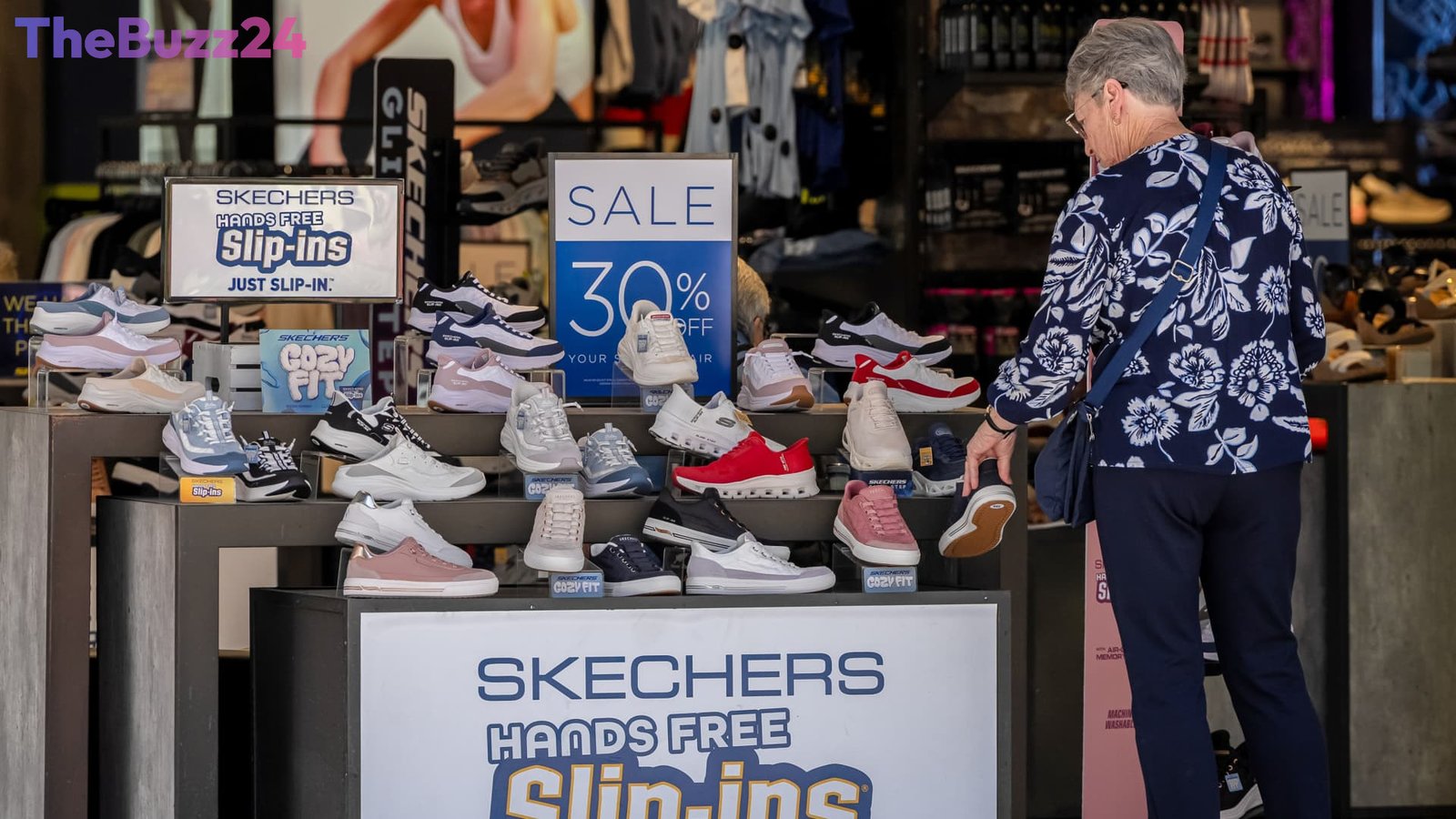
The Visa survey reveals a notable disconnect between consumer aspirations and actual spending intentions. While over half of respondents expressed a preference for travel and live events on their wish lists, a significantly smaller portion, 15%, indicated they would prioritize spending on experiences for others. In contrast, 27% plan to focus their holiday budgets on tangible gifts.
Michael Brown, Visa’s principal U.S. economist, attributes this divergence to economic realities, including elevated airfares and persistent inflation. “There is some interesting trade-offs there that we’re seeing on the part of consumers,” Brown stated. “If I’m traveling more, I’m probably going to be gifting those physical goods less, so this is really the broader context.” He further noted that budget constraints are likely to encourage more localized holiday celebrations, with rising airfares contributing to this shift.
The economic landscape, marked by a 3.7% annual rise in consumer prices in September driven by energy costs, is compelling consumers to be more selective with their spending. While aspirations for travel and experiences remain high, the current economic climate necessitates a balance between desires and financial feasibility. This is particularly evident among lower and middle-income households, with a substantial portion planning to opt for more affordable brands and stores to manage their holiday gift budgets.
Key Takeaways
- Consumers desire travel and experiences but are prioritizing spending on physical gifts this holiday season.
- Higher travel costs and general inflation are forcing consumers to be more intentional with their holiday budgets.
- Despite inflation, Visa projects a 4.5% year-over-year increase in holiday sales, though much of this is attributed to price hikes.
Editor’s Analysis & Impact
This Visa survey highlights a significant consumer behavior shift driven by economic pressures. The divergence between desired experiences and planned gift purchases underscores the impact of inflation and rising travel costs on discretionary spending. While the preference for physical gifts may offer a boost to traditional retail sectors, it also signals a more cautious consumer mindset. The findings suggest that retailers need to focus on value and affordability to capture holiday spending. Furthermore, the data implies that while affluent consumers may maintain spending levels, lower and middle-income groups are actively seeking cost-saving measures, potentially reshaping the competitive landscape for holiday sales.
Frequently Asked Questions
Q: Why are consumers choosing physical gifts over experiences?
A: Consumers are choosing physical gifts over experiences primarily due to the rising costs associated with travel and live events, coupled with general inflation. These economic factors make tangible gifts a more budget-friendly option for many.
Q: How does inflation affect holiday spending according to the report?
A: Inflation is driving up the prices of goods and services, including airfares. While this contributes to a higher projected holiday sales growth figure, much of it is due to increased prices rather than a true increase in the volume of goods purchased. Consumers are also becoming accustomed to higher prices, influencing their reported anticipated spend.
Q: Are all income groups affected similarly by these spending trends?
A: No, the report indicates a difference across income levels. Households with incomes above $200,000 showed less pullback in travel spending, potentially due to equity market gains. Conversely, shoppers with incomes below $100,000 are more likely to switch to lower-cost brands and stores to manage their holiday gift expenses.
AI Disclosure: This article is based on verified data and official reports. Our Team and AI have cross-referenced every financial detail with primary sources to ensure total accuracy.
More from this Category