Defense Giant Rheinmetall Trims Outlook Amid Military Contract Delays and Ammunition Hurdles
German defense powerhouse Rheinmetall has revised its full-year guidance for the second time since August, attributing the adjustment to significant delays in military contracts and the delivery of ammunition. This announcement has prompted concerns among market observers regarding the broader outlook for traditional defense technology companies.
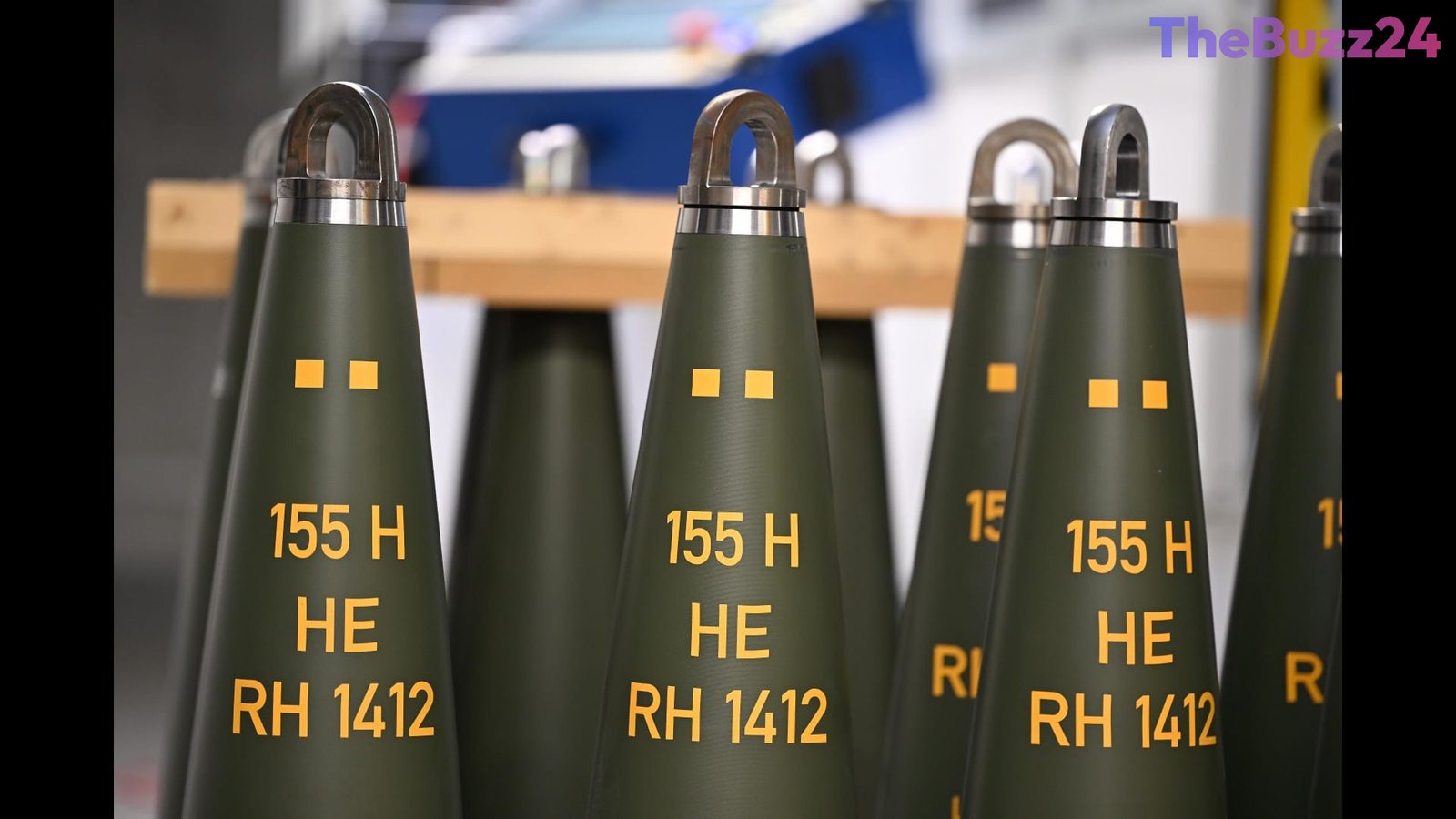
The revised forecast now projects sales to reach approximately 13.2 billion euros ($14.9 billion) by 2026, a reduction from the previously anticipated range of 13.7 billion to 14.2 billion euros. The expected operating margin has also been lowered to around 18.5% from the prior 19%. Key factors contributing to this downgrade include setbacks in the German military’s Arminius project, a substantial procurement program for Boxer armored vehicles, and delays in the acceptance testing of artillery ammunition. The Arminius contract, a joint venture involving Rheinmetall and Franco-German defense group KNDS, is now expected to be commissioned next year.
These challenges emerge despite Rheinmetall’s substantial growth in recent years, which saw its shares gain an average of 119% annually over the past four years. This surge was largely fueled by increased military spending from European governments following Russia’s full-scale invasion of Ukraine in 2022. The company also noted that delays in the Boxer contract will push expected advance payments into 2027, impacting its cash conversion target, though it still anticipates positive operating free cash flow this year. Furthermore, delays in fourth-quarter revenue from new business activities, particularly its partnership with Dutch defense technology firm Destinus, were flagged.
Despite the cautious outlook, Rheinmetall reported robust third-quarter results, with sales climbing 32% year-on-year to 3.15 billion euros and operating profit jumping 62% to 553 million euros. New order intake reached 2.89 billion euros, bolstering its order backlog to an impressive 78 billion euros by the end of the third quarter. While the guidance cut overshadowed these strong operational figures, analysts acknowledged the underlying strength of the company’s recent performance.
Key Takeaways
- Rheinmetall has cut its 2026 guidance for the second time, citing delays in military contracts and ammunition deliveries.
- Specific setbacks include the German military's Arminius project for Boxer armored vehicles and issues with artillery ammunition acceptance testing.
- Despite strong third-quarter financial results and a robust order backlog, the revised outlook raises concerns about future revenue predictability and cash flow for the defense giant.
Editor’s Analysis & Impact
Rheinmetall’s repeated guidance cuts, even amidst a global surge in defense spending, highlight the inherent complexities and potential bottlenecks within large-scale military procurement. This news could fuel broader investor scrutiny of traditional defense technology firms, potentially shifting sentiment towards more agile or ‘new-tech’ players. While Rheinmetall’s substantial order backlog provides a buffer, persistent delays in key projects like Arminius and ammunition testing signal challenges in execution and government bureaucracy. The impact on cash conversion and the deferral of advance payments suggest a potential strain on short-to-medium-term financial flexibility. This situation underscores that even well-positioned defense contractors are not immune to operational hurdles and the unpredictable nature of government contracts, potentially influencing investment strategies across the sector.
Frequently Asked Questions
Q: Why did Rheinmetall cut its full-year guidance?
A: Rheinmetall cut its guidance primarily due to delays in military contracts, specifically the German military's Arminius project for Boxer armored vehicles, and setbacks in the acceptance testing of artillery ammunition deliveries.
Q: What is the Arminius project?
A: The Arminius project is a significant German military procurement program focused on Boxer armored vehicles. It involves ARTEC, a joint venture between Rheinmetall and the Franco-German defense group KNDS.
Q: How did Rheinmetall's third-quarter performance compare to the guidance cut?
A: Despite the guidance cut, Rheinmetall reported strong third-quarter results, with sales increasing 32% year-on-year and operating profit jumping 62%. The company also maintained a robust order backlog of 78 billion euros, indicating strong underlying business activity overshadowed by the revised future outlook.
AI Disclosure: This article is based on verified data and official reports. Our Team and AI have cross-referenced every financial detail with primary sources to ensure total accuracy.
More from this Category