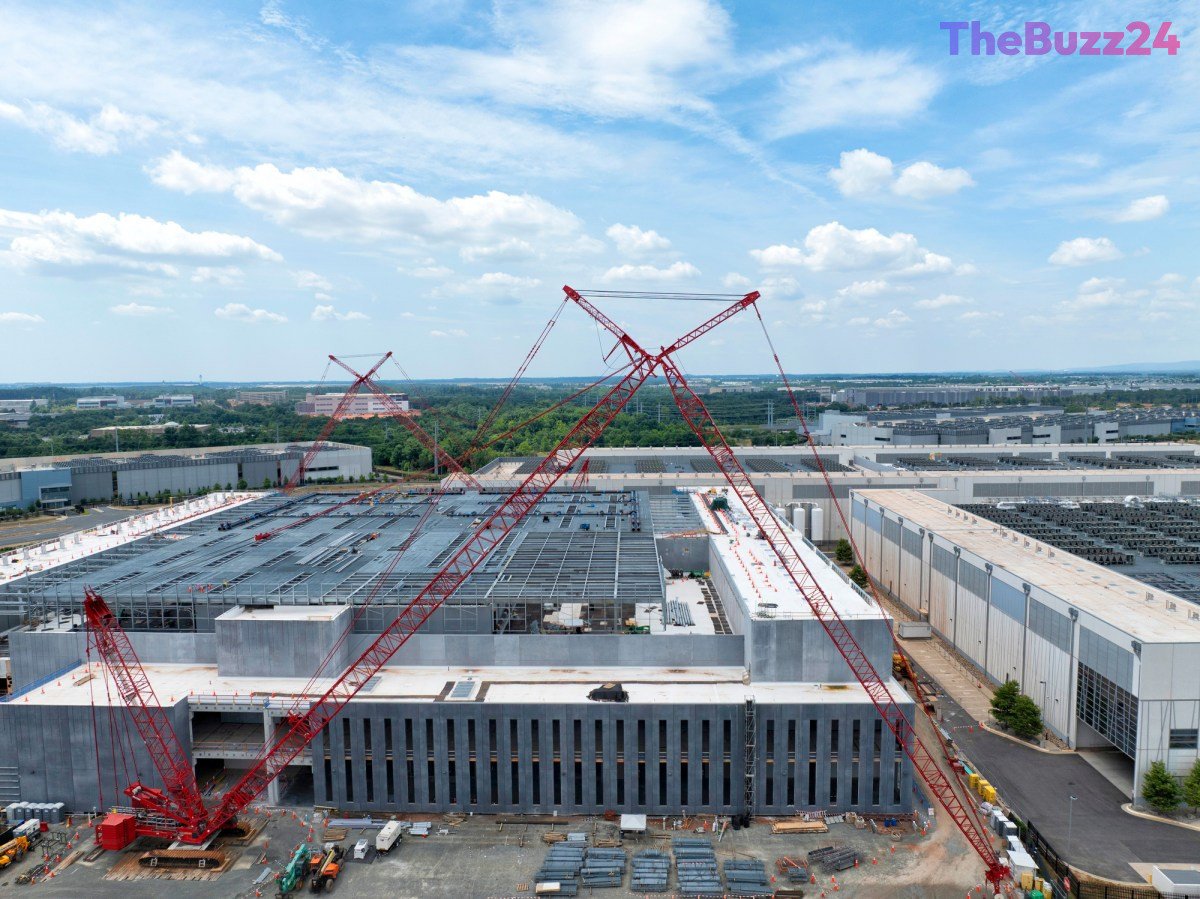
Meta Faces Growing Hurdles in Data Center Expansion Amid Political Backlash
Meta is navigating an increasingly complex landscape for its infrastructure expansion as public and political resistance toward data centers intensifies. Dina Powell McCormick, President of Meta, recently highlighted that the recent election cycle saw candidates actively campaigning against the construction of these facilities, signaling a shift in local sentiment that could complicate future development projects. The company acknowledges that it has struggled to effectively communicate the tangible benefits these investments bring to local communities.
At the heart of the opposition is a broader public apprehension regarding artificial intelligence. Because data centers serve as the physical manifestation of AI infrastructure, they have become a focal point for community concerns. Meta is now working to pivot the narrative by emphasizing the potential for AI to drive societal progress, such as advancements in healthcare and education. The company maintains that democratizing access to this technology is essential to ensuring that the benefits of AI are distributed equitably rather than concentrated in the hands of a few.
To mitigate local resistance, Meta is refining its community engagement strategy. The company is focusing on projects that provide clear, localized advantages, such as funding for first responders and educators, utilizing local labor forces, and ensuring bipartisan support. Despite the political headwinds, Meta remains optimistic about the long-term value of its compute infrastructure. Even if consumer-facing AI products do not meet immediate adoption targets, the company notes that the high demand for compute power provides a viable path toward monetization through leasing arrangements.
Key Takeaways
- Meta is facing increased political and community opposition to new data center projects following recent election cycles.
- Public resistance to data centers is largely tied to broader societal concerns and skepticism regarding the rapid advancement of AI.
- Meta is attempting to secure future projects by emphasizing local economic benefits, such as tax contributions for public services and job creation.
Editor’s Analysis & Impact
The friction between tech giants and local municipalities regarding data center construction represents a critical inflection point for the AI industry. As the physical footprint of AI grows, companies are finding that technical prowess is no longer sufficient to secure social license to operate. The ‘not in my backyard’ (NIMBY) sentiment is evolving into a sophisticated political barrier that could delay infrastructure rollouts and increase capital expenditure. Meta’s strategy of tying infrastructure to public service funding is a pragmatic attempt to reframe data centers as community assets rather than industrial burdens. However, the long-term success of this model depends on whether the industry can successfully decouple the fear of AI from the physical reality of the hardware required to run it. If this resistance persists, we may see a shift toward more decentralized or remote infrastructure deployments to avoid local political volatility.
Frequently Asked Questions
Q: Why are communities opposing the construction of new data centers?
A: Opposition is largely driven by concerns over the environmental and social impact of these facilities, as well as a broader public anxiety regarding the rapid development and integration of AI technology.
Q: How is Meta attempting to win over local communities for new projects?
A: Meta is focusing on community-centric benefits, including directing tax surpluses to support teachers and first responders, prioritizing local labor for construction and operations, and seeking bipartisan political support.
AI Disclosure: This article is based on verified data and official reports. Our Team and AI have cross-referenced every financial detail with primary sources to ensure total accuracy.
More from this Category