Political Backlash Grows Against AI Infrastructure as Democratic Leaders Push for Data Center Freezes
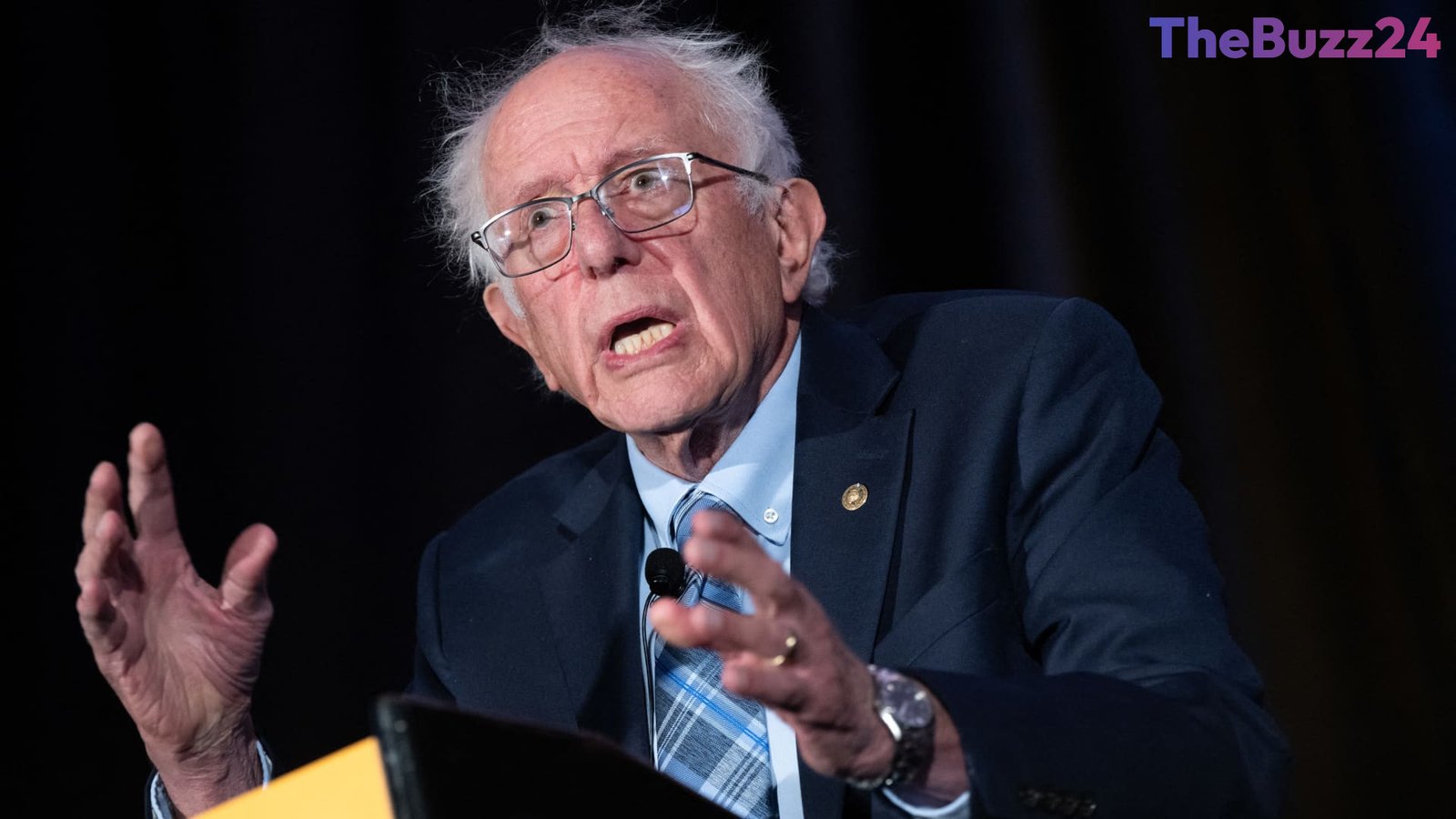
Following substantial victories in the recent midterm elections, prominent Democratic lawmakers across the United States are increasingly pushing for strict oversight and potential freezes on data center expansion and artificial intelligence infrastructure. The political momentum stems from widespread voter support during local campaigns, where opposition to large-scale data facilities emerged as a central ballot topic. Prominent legislative figures, including Senator Bernie Sanders, have voiced strong support for an immediate nationwide pause on data center construction, arguing that rapid technological expansion jeopardizes local energy grids, municipal resources, and environmental sustainability.
The political shift extends deeply into state-level leadership, where newly elected officials are signaling immediate legislative friction against tech conglomerates. In Texas, a critical hub accounting for more than a quarter of planned national data center capacity, incoming Governor Gina Hinojosa committed to implementing an executive moratorium on facility approvals until regulatory protections are codified by the state legislature. Similar sentiment echoes in key states; Pennsylvania Governor Josh Shapiro previously enacted executive measures to curb unvetted facility growth, while newly elected senators in South Carolina and Ohio centered campaign platforms on prioritizing local community oversight over corporate tech projects.
Financial markets reacted swiftly to the prospect of regulatory gridlock and potential policy shifts targeting the AI ecosystem. Semiconductor manufacturers and technology supply-chain stocks experienced sharp downturns in trading following the election results. Major chipmakers, including Nvidia and Advanced Micro Devices (AMD), saw substantial price drops, while broader semiconductor benchmark funds recorded notable single-day losses. Market analysts attribute the sell-off to rising investor anxiety over potential operational delays, rising compliance costs, and localized pushback affecting future infrastructure investments.
Public opinion data reflects a growing hesitation regarding unchecked artificial intelligence infrastructure development. Surveys conducted during the election cycle revealed that a majority of voters cited data center expansion and AI policy as key influences on their decisions at the ballot box, with a significant majority favoring candidates advocating for tighter restrictions. As lawmakers prepare for the upcoming legislative sessions, technology industry executives face an increasingly challenging regulatory environment that could redefine the pace of digital infrastructure deployment nationwide.
Key Takeaways
- Democratic leaders are advocating for federal and state-level moratoriums on data center approvals following election victories tied to tech expansion concerns.
- Major semiconductor stocks, including Nvidia and AMD, dropped significantly as investors braced for potential regulatory delays in AI infrastructure.
- Key states such as Texas and Pennsylvania are emerging as central battlegrounds for local communities opposing large-scale data center buildouts.
Editor’s Analysis & Impact
The political push to restrict data center construction represents a critical structural hurdle for the tech sector, particularly for chipmakers and cloud services providers. Because data centers require massive energy capacity and municipal land, local concerns over power grid stability and utility costs have successfully transformed into potent political issues. For hardware vendors like Nvidia and AMD, delays in infrastructure approvals directly endanger capital expenditure timelines from major hyperscalers. Moving forward, tech corporations will likely need to adjust their site selection strategies, investing heavily in clean energy integration and local community relations to navigate mounting political resistance. If moratoriums are enacted across major states like Texas, the overall growth trajectory of domestic AI infrastructure could slow considerably.
Frequently Asked Questions
Q: Why are political leaders calling for a moratorium on data centers?
A: Lawmakers cite growing concerns over heavy energy consumption, potential impacts on local electric grids, environmental footprint, and a lack of community control over large corporate developments.
Q: How did financial markets react to the political push against AI data centers?
A: Semiconductor and tech infrastructure stocks experienced sharp declines, with major companies like Nvidia and AMD suffering significant single-day losses due to concerns over future project delays.
Q: Which states are most affected by the proposed data center restrictions?
A: Texas, which represents over 27% of planned national data center capacity, along with Pennsylvania, Ohio, and South Carolina, are central to the emerging regulatory push.
AI Disclosure: This article is based on verified data and official reports. Our Team and AI have cross-referenced every financial detail with primary sources to ensure total accuracy.
More from this Category