Senator Elizabeth Warren Prepares Aggressive Agenda for Senate Banking Committee Leadership
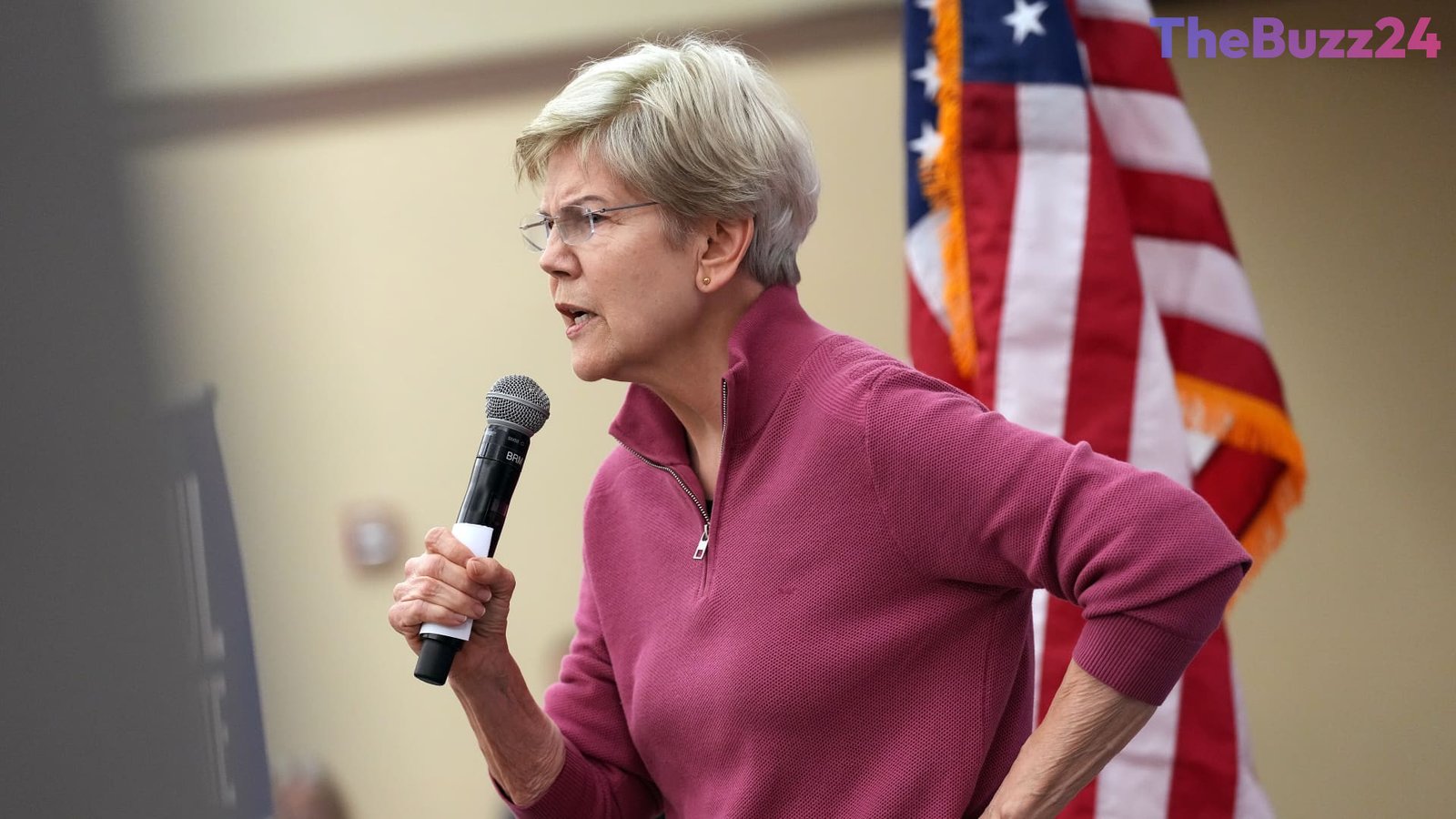
Senator Elizabeth Warren is poised to assume leadership of the Senate Banking, Housing and Urban Affairs Committee this coming January, signaling a shift toward a more assertive regulatory and oversight environment. As she prepares to take the gavel, the Massachusetts Democrat has outlined a legislative roadmap that prioritizes economic affordability, national security regarding technology exports, and increased scrutiny of emerging financial markets.
Central to Warren’s proposed agenda is a focus on the cost of living, with plans to introduce measures aimed at capping credit card interest rates and expanding housing affordability initiatives. Beyond domestic economic policy, the committee is expected to take a firm stance on international trade, specifically regarding the export of advanced artificial intelligence chips to China. Warren has also signaled an intent to establish a formal regulatory framework for the rapidly growing prediction market industry, citing a need to curb what she describes as a lack of necessary oversight.
In addition to her legislative goals, Warren is preparing an expansive oversight campaign. She has issued a preemptive warning to major technology CEOs, Wall Street executives, and administration officials, advising them to preserve all relevant documentation in anticipation of future committee inquiries. With the committee’s broad jurisdiction over federal monetary policy and financial institutions, this shift in leadership suggests a period of heightened accountability for both private industry leaders and government officials.
Key Takeaways
- Senator Elizabeth Warren is set to lead the Senate Banking Committee, prioritizing cost-of-living reforms and housing affordability.
- The committee plans to tighten export controls on advanced AI chips destined for China and implement new regulations for prediction markets.
- Warren has signaled an aggressive oversight agenda, warning tech and financial executives to preserve documents for potential investigations.
Editor’s Analysis & Impact
Senator Warren’s transition to the helm of the Senate Banking Committee represents a significant pivot toward a more interventionist regulatory approach. By targeting credit card interest rates, housing costs, and the burgeoning prediction market sector, Warren is positioning the committee to act as a primary check on both Wall Street and the tech industry. The focus on AI chip exports to China underscores the growing intersection of financial oversight and national security policy. Market participants should anticipate a more litigious and investigative atmosphere, as the committee’s subpoena power will likely be utilized to compel transparency from private sector leaders. This shift suggests that companies operating in the fintech, banking, and AI sectors will face increased compliance burdens and a higher probability of public scrutiny in the coming legislative session.
Frequently Asked Questions
Q: What are the primary legislative priorities for Senator Warren as she takes over the Banking Committee?
A: Her priorities include addressing the cost of living through credit card interest rate caps and housing legislation, tightening export controls on AI chips to China, and creating regulatory frameworks for prediction markets.
Q: Why has Senator Warren advised tech and financial executives to preserve their documents?
A: She is preparing an aggressive oversight agenda that will likely involve investigations and inquiries into private industry, necessitating the preservation of records for potential committee review.
AI Disclosure: This article is based on verified data and official reports. Our Team and AI have cross-referenced every financial detail with primary sources to ensure total accuracy.
More from this Category