Rivian CEO Eyes 2027 as ‘Inflection Year’ Fueled by R2 SUV and Autonomy Push
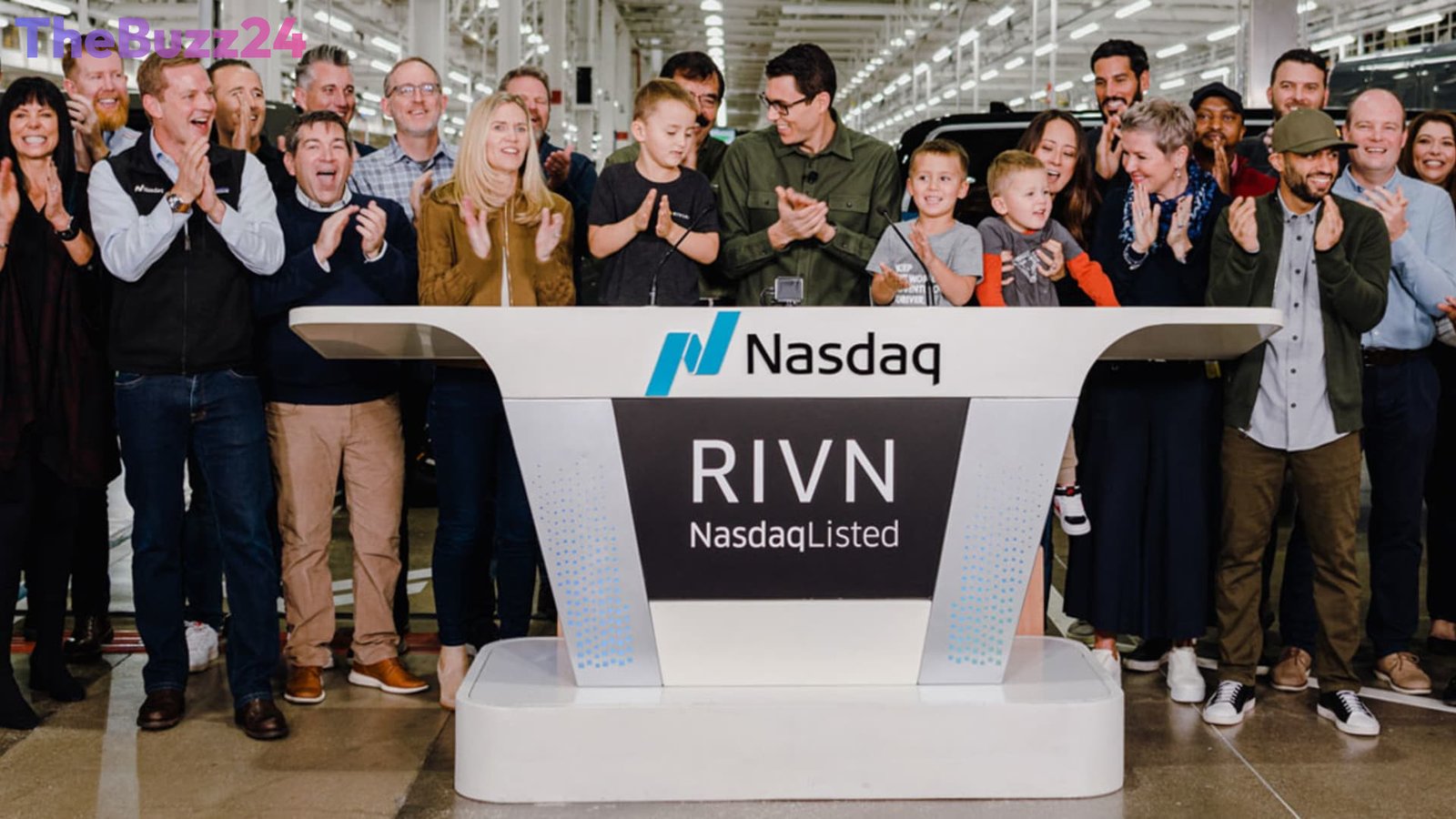
Five years after its highly anticipated initial public offering, electric vehicle manufacturer Rivian is setting its sights on 2027 as a pivotal year for its future growth. CEO RJ Scaringe believes the company’s new R2 SUV and advancements in autonomous driving technology will be the key drivers for this transformation.
The R2 SUV, designed to capture a broader market segment, has already become Rivian’s best-selling vehicle in the third quarter. With a starting price point of approximately $45,000, the R2 is central to Rivian’s strategy for achieving significant revenue growth and a clearer path toward profitability. The company is also investing heavily in its next-generation software and autonomy systems, with plans for a limited rollout of its advanced driver-assistance system before a wider release in 2027.
Despite a challenging market and a significant drop in its stock price since its 2021 IPO, Rivian remains a prominent player in the EV landscape. Scaringe acknowledges the hurdles, including supply chain disruptions and slower-than-anticipated consumer adoption of electric vehicles. However, he expressed confidence that the upcoming years will demonstrate the company’s full potential to investors. Rivian is also constructing a new manufacturing facility in Georgia, which is expected to significantly increase production capacity and is crucial for reaching net profitability.
Rivian’s focus extends beyond vehicle production to pioneering autonomous driving capabilities. The company is developing a “point-to-point” driving system, aiming to match and eventually surpass competitors like Tesla. This technology, which Scaringe refers to as “physical artificial intelligence,” is seen as a critical differentiator that could become a primary factor in consumer purchasing decisions. Rivian plans to provide further details on its AI and autonomy roadmap at an upcoming investor technology event.
Key Takeaways
- Rivian CEO RJ Scaringe has designated 2027 as a critical 'inflection year' for the company, driven by the R2 SUV and autonomous driving advancements.
- The R2 SUV is already Rivian's top-selling vehicle and is considered crucial for the company's revenue growth and path to profitability.
- Rivian is investing heavily in autonomous driving technology, aiming to differentiate itself in the competitive EV market and potentially surpass current industry leaders.
Editor’s Analysis & Impact
Rivian’s strategic pivot towards the R2 SUV and advanced autonomy signals a determined effort to overcome past market challenges and stock performance issues. The success of the R2 in broadening market appeal and the development of sophisticated autonomous features are critical for the company’s long-term viability and profitability. While the ambitious expansion plans, including the new Georgia plant, require substantial capital, the company’s focus on improving operational efficiency and securing diverse funding sources appears to be a calculated approach. The coming years will be crucial in determining if Rivian can translate its technological aspirations and production ramp-up into sustained financial success and a stronger market position.
Frequently Asked Questions
Q: What is the significance of 2027 for Rivian?
A: Rivian CEO RJ Scaringe has identified 2027 as an 'inflection year' for the company, expecting it to be a period of significant growth and transformation driven by the R2 SUV and advancements in autonomous driving technology.
Q: How is Rivian addressing its stock performance and profitability concerns?
A: Rivian is focusing on increasing sales volume with the R2 SUV, improving manufacturing costs, and investing in software and autonomy. The company is also building a new factory in Georgia to scale production, aiming for net profitability while managing capital expenditure and cash burn.
Q: What are Rivian's plans for autonomous driving technology?
A: Rivian is developing advanced driver-assistance systems, including a 'point-to-point' driving capability, which it aims to roll out more broadly by 2027. The company believes this technology will be a key differentiator and a major factor in consumer purchasing decisions.
AI Disclosure: This article is based on verified data and official reports. Our Team and AI have cross-referenced every financial detail with primary sources to ensure total accuracy.
More from this Category