NASA’s Curiosity Rover Drills into Mars’ Nazca Target, Seeking Crystal Clues
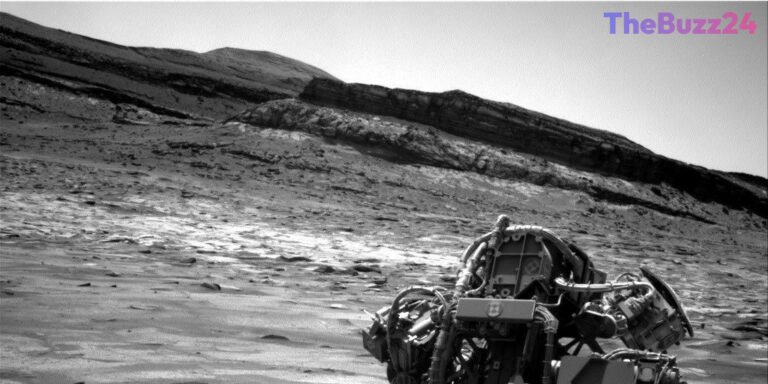
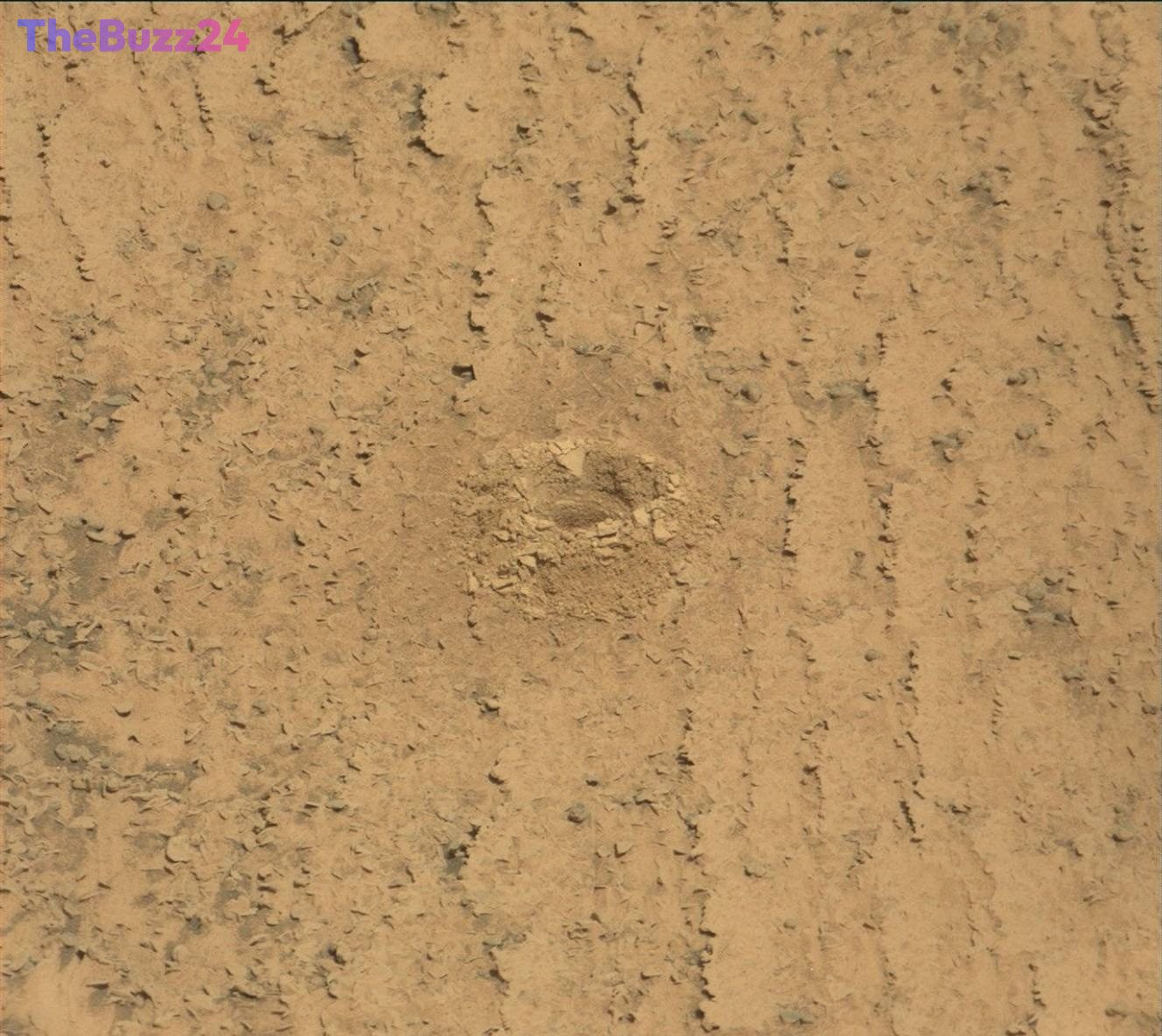
NASA’s Mars rover Curiosity has successfully completed its 49th drilling operation, targeting a rock formation named “Nazca” in a region of particular scientific interest. The mission team is eager to analyze the sample, hoping it will provide insights into the Red Planet’s past environmental conditions, particularly through the study of disc-shaped inclusions that may be ancient crystals.
This latest drilling effort follows the rover’s return to an area where similar inclusions were previously identified. Scientists believe these formations, if confirmed as crystals, could serve as significant indicators of Mars’ geological history and the conditions under which they formed. Before commencing the drill, the rover underwent rigorous stability and preload tests to ensure both its safety and the integrity of the rock target.
Following the successful drilling of the Nazca target, the collected sample was delivered to the CheMin instrument for analysis. The results are highly anticipated and expected to be transmitted back to Earth soon. Concurrently, the rover’s ChemCam instrument conducted further investigations, including analyzing the composition of dark pebbles like “Palpala” and “Puna,” and performing depth profiling on a target named “Llama” to verify earlier observations. Additionally, ChemCam is examining the disc-shaped forms on another target, “Pacaya,” and capturing detailed images of nearby buttes, “Mishe Mokwa” and “Cordillera,” known for their intriguing sedimentary structures.
Key Takeaways
- NASA's Curiosity rover has drilled its 49th sample on Mars, named 'Nazca', targeting potential ancient crystals.
- The 'Nazca' drill site was chosen due to the presence of disc-shaped inclusions, which scientists believe could indicate past environmental conditions.
- The rover's instruments, including ChemCam and CheMin, are actively analyzing the drill site, surrounding pebbles, and the newly acquired sample for further scientific understanding.
Editor’s Analysis & Impact
The ongoing exploration by the Curiosity rover, particularly the focus on potential crystal formations at the Nazca site, underscores NASA’s persistent quest to unravel Mars’ geological past and habitability. The detailed analysis of rock samples and surface features provides crucial data points for understanding planetary evolution. This continued investigation into mineralogy and sedimentary structures not only contributes to our knowledge of Mars but also refines techniques applicable to future missions across the solar system. The anticipation surrounding the ChemIn results highlights the critical role of in-situ analysis in space exploration.
Frequently Asked Questions
Q: What is the significance of the 'Nazca' drill hole?
A: The 'Nazca' drill hole is significant because it targets a rock formation containing disc-shaped inclusions that scientists believe could be ancient crystals. Studying these potential crystals may reveal important information about the environmental conditions on Mars in the past.
Q: Which instruments are being used to analyze the 'Nazca' target?
A: The instruments involved in analyzing the 'Nazca' target include APXS, MAHLI, ChemCam, and CheMin. ChemCam is used for initial investigation and analysis of tailings and drill hole walls, while CheMin will analyze the collected sample.
Q: What other targets are being investigated by the Curiosity rover?
A: Besides 'Nazca', the Curiosity rover is also investigating dark pebbles like 'Palpala' and 'Puna', performing depth profiling on 'Llama', and examining disc-shaped forms on 'Pacaya'. The rover is also capturing images of the buttes 'Mishe Mokwa' and 'Cordillera'.
AI Disclosure: This article is based on verified data and official reports. Our Team and AI have cross-referenced every financial detail with primary sources to ensure total accuracy.
More from this Category