Congressional Democrats Prepare to Scrutinize Trump Administration’s Corporate Equity Stakes
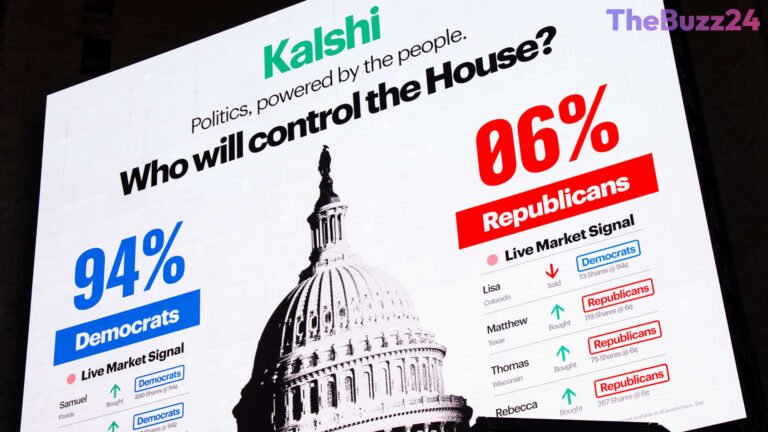
As the political landscape shifts following the recent midterm elections, the incoming Democratic majority in Congress is preparing to launch a comprehensive review of the Trump administration’s unprecedented interventions in the private sector. Over the past two years, the federal government has aggressively pursued equity stakes in dozens of companies, ranging from chipmakers like Intel to rare-earths firms such as MP Materials. These arrangements, which have seen the government take ownership positions in over 40 companies, are now expected to face intense legislative oversight.
Central to these inquiries is the controversial ‘golden share’ agreement involving U.S. Steel. Negotiated during the company’s acquisition by Nippon Steel, this arrangement grants the U.S. government veto power over critical operational decisions, including capital investments and employee compensation. While U.S. Steel CEO David Burritt has maintained that the government’s presence on the board has not hindered operations, the unusual nature of the deal has raised significant questions regarding the boundaries between federal authority and private enterprise.
Democratic lawmakers have signaled that their investigations will focus on potential conflicts of interest and the criteria used to select companies for these equity deals. There is particular concern that some agreements may have been influenced by political connections rather than genuine national security imperatives. As the administration enters its final months, experts suggest that the focus will shift toward accountability and anti-corruption measures, potentially forcing a re-evaluation of how the government interacts with major corporate entities.
While the White House maintains that these partnerships are essential for rebuilding the domestic industrial base, the shift in legislative power suggests a looming confrontation. With Republicans having suffered significant electoral losses, there is speculation that some members of the party may join Democrats in questioning the long-term implications of such deep government involvement in the free market, potentially leading to new legislative constraints on future executive actions.
Key Takeaways
- Incoming Democratic majorities in Congress plan to investigate the Trump administration's acquisition of equity stakes in over 40 private companies.
- The 'golden share' agreement with U.S. Steel, which grants the government veto power over corporate decisions, is a primary target for legislative scrutiny.
- Experts suggest the investigations will focus on whether these government interventions were driven by national security needs or political favoritism.
Editor’s Analysis & Impact
The Trump administration’s move to embed the federal government into the private sector represents a radical departure from traditional American free-market capitalism. By acquiring equity stakes and veto powers, the administration has effectively blurred the lines between public policy and corporate governance. The impending congressional investigations signal a critical inflection point; if these deals are found to be politically motivated or lacking in transparency, it could lead to a significant legislative backlash that restricts executive power in future administrations. Furthermore, the precedent set by these interventions creates long-term uncertainty for investors and corporate boards, who must now weigh the benefits of government partnership against the risk of future political exposure and regulatory overreach. The outcome of these probes will likely define the limits of federal influence in the private sector for years to come.
Frequently Asked Questions
Q: What is a 'golden share' in the context of the U.S. Steel deal?
A: A golden share is a specific type of equity arrangement that grants the holder—in this case, the U.S. government—the power to outvote other shareholders and veto key corporate decisions, such as capital investments and salary structures.
Q: Why are Democrats planning to investigate these corporate equity stakes?
A: Democrats intend to investigate these deals to determine if they were based on legitimate national security priorities or if they were the result of political favoritism and corruption involving the administration and its associates.
AI Disclosure: This article is based on verified data and official reports. Our Team and AI have cross-referenced every financial detail with primary sources to ensure total accuracy.
More from this Category