Market Volatility Hits Tech and Retail Giants Amid Leadership Turmoil and Earnings Misses
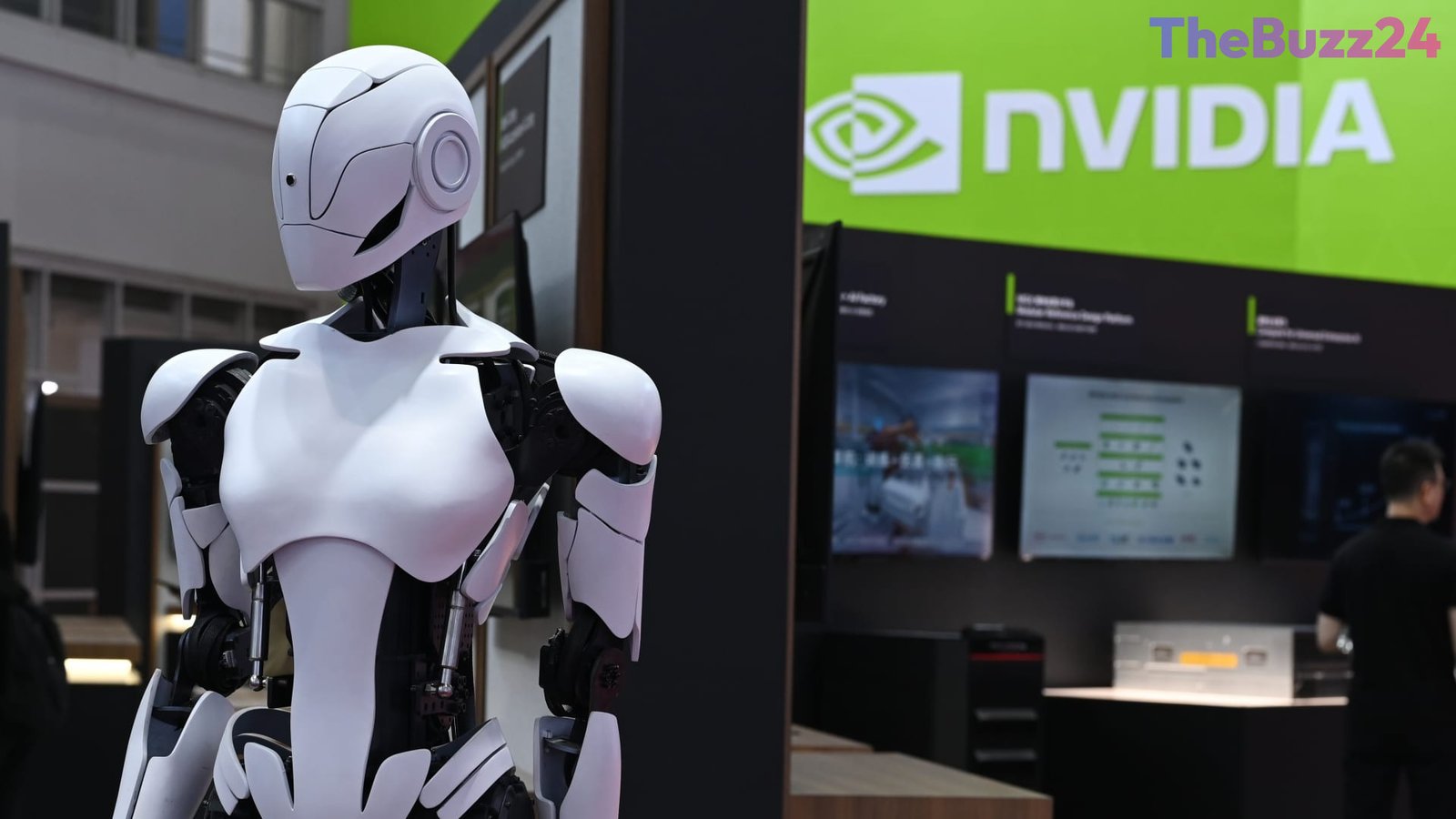
Thursday’s trading session was defined by significant volatility across the technology and consumer sectors, as investors reacted to a flurry of corporate leadership changes, earnings misses, and strategic capital expenditure updates. Nvidia faced renewed downward pressure, with shares sliding more than 7% following reports concerning the personal conduct of CEO Jensen Huang. This uncertainty surrounding the company’s leadership has rippled through the broader semiconductor market, prompting analysts to reassess the competitive landscape for rivals like Advanced Micro Devices, which saw a 2.8% gain following an analyst upgrade.
In the cloud infrastructure space, companies faced a mixed reaction to their latest financial disclosures. CoreWeave experienced a pullback of nearly 8% as investors locked in profits following a recent rally, while Nebius Group saw its shares plummet 17% after the company raised its capital expenditure forecast for 2026 to $27 billion. These moves highlight a broader investor sensitivity toward the massive spending required to sustain the current artificial intelligence infrastructure boom.
Consumer-facing brands also struggled to maintain momentum. Yeti Holdings extended its recent slump, falling 8% after missing third-quarter revenue estimates and lowering its full-year guidance. Similarly, Keurig Dr Pepper shares dipped nearly 5% after the company announced a $2 billion stock offering intended to reduce debt ahead of a planned corporate split. Meanwhile, in the gaming sector, Take-Two Interactive saw a modest decline as market analysts set high expectations for the upcoming launch of Grand Theft Auto VI, noting that the title will need to generate nearly $2 billion in its opening weekend to satisfy investor sentiment.
Despite the broader market turbulence, some sectors showed resilience. SpaceX shares rose 2% following the announcement of a massive $50 billion investment in a new supercompute campus in Arizona, signaling continued aggressive expansion in high-performance computing. Additionally, Tetra Tech outperformed expectations, with its shares jumping nearly 10% after reporting strong fiscal fourth-quarter earnings, providing a rare bright spot in an otherwise cautious trading environment.
Key Takeaways
- Nvidia shares fell sharply amid reports of leadership instability, creating potential market share opportunities for competitors like AMD.
- Cloud infrastructure providers like Nebius and CoreWeave faced selling pressure as investors scrutinized rising capital expenditure requirements for 2026.
- Consumer brands including Yeti and Keurig Dr Pepper saw share price declines following revenue misses and strategic financial restructuring announcements.
Editor’s Analysis & Impact
The current market environment reflects a high-stakes transition period where investors are increasingly intolerant of both leadership instability and capital inefficiency. The volatility surrounding Nvidia serves as a case study in how ‘key person risk’ can destabilize even the most dominant market players, forcing institutional investors to hedge their bets toward competitors like AMD. Simultaneously, the aggressive capital expenditure guidance from AI-focused firms like Nebius suggests that the ‘AI arms race’ is entering a phase where the cost of entry is becoming a primary concern for shareholders. Moving forward, we expect to see a bifurcation in the market: companies that can demonstrate disciplined capital allocation while navigating leadership transitions will likely outperform, while those relying on massive, unproven infrastructure spending may face continued valuation compression.
Frequently Asked Questions
Q: Why did Nvidia shares drop on Thursday?
A: Nvidia shares declined following reports regarding the personal conduct of CEO Jensen Huang, which raised concerns about leadership stability and corporate governance.
Q: What is the primary reason for the decline in Nebius shares?
A: Nebius shares fell significantly after the company increased its 2026 capital expenditure forecast to $27 billion, signaling higher-than-anticipated costs for its AI cloud infrastructure.
AI Disclosure: This article is based on verified data and official reports. Our Team and AI have cross-referenced every financial detail with primary sources to ensure total accuracy.
More from this Category