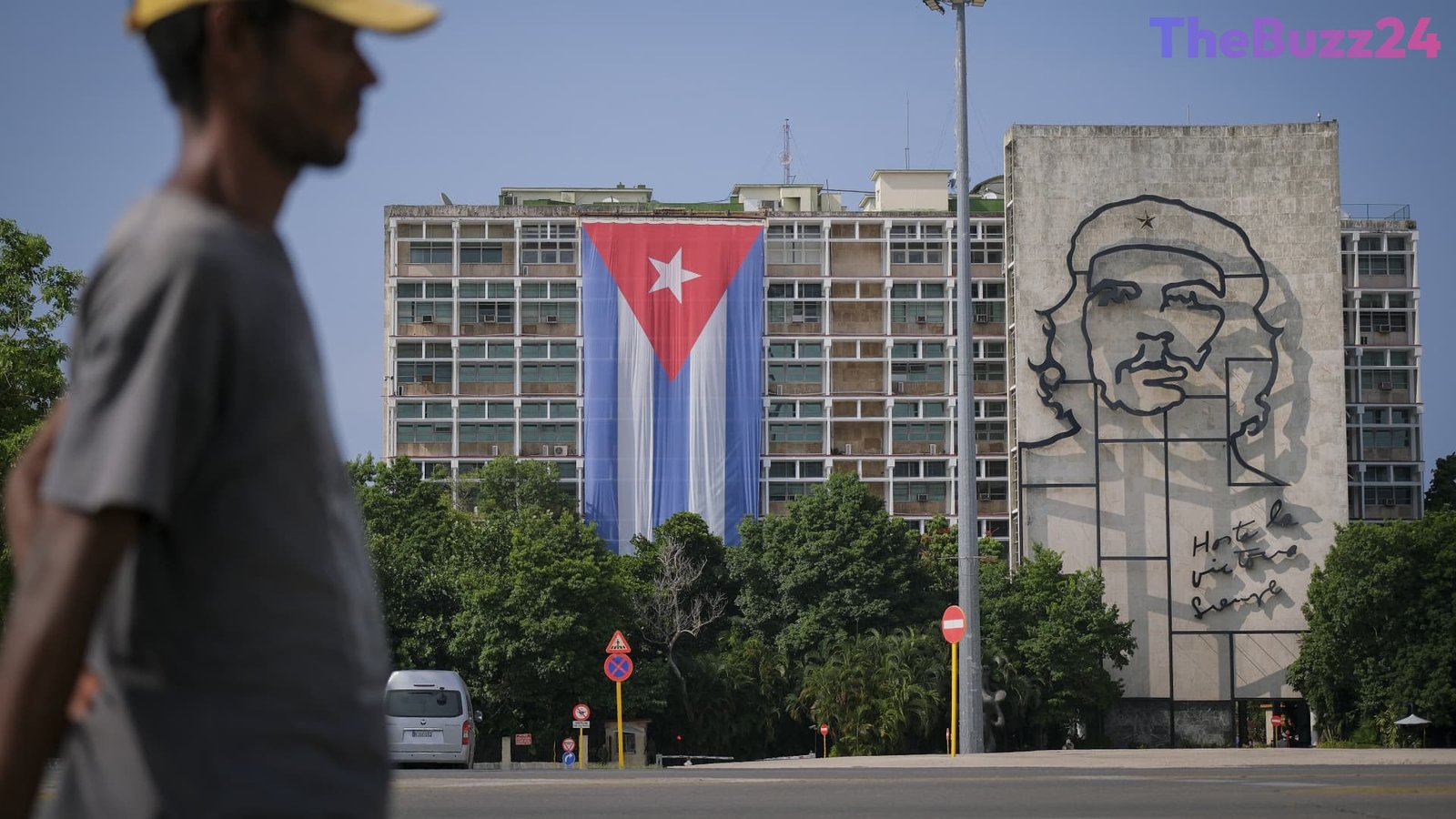
Trump Signals Ambitions to Resolve Cuba Crisis, Refuses to Rule Out Military Options
United States President Donald Trump has expressed a firm desire to address the ongoing political and economic situation in Cuba before his current presidential term concludes in 2029. In recent comments, Trump noted that his administration is monitoring developments in Havana very closely, characterizing the Caribbean nation as a failed state. He further indicated that he would consider a brief, targeted military operation to resolve the situation if necessary, highlighting Secretary of State Marco Rubio’s role in shaping foreign policy toward the island.
This heightened rhetoric coincides with an aggressive expansion of Washington’s economic pressure campaign against the communist-led nation. The U.S. Treasury Department recently instituted strict new sanctions targeting Cuban oil tankers and maritime shipping entities. These measures aim to severely restrict energy imports to the island, with federal officials warning international entities against conducting business with Cuba’s marine and maritime sectors.
These enforcement actions come during one of the most severe economic crises in Cuba’s recent history. The island nation of roughly 10 million people is suffering from widespread national power grid failures, along with acute shortages of basic necessities, fuel, and food. Representatives from Cuba have forcefully criticized the ongoing embargo and sanctions, arguing that the policies amount to economic blockade tactics that disproportionately affect ordinary citizens and destabilize essential infrastructure, including healthcare facilities.
Despite the administration’s open discussion of foreign policy maneuvers, political analysts largely view direct U.S. military intervention as an unlikely scenario. Industry experts suggest that Washington is far more likely to continue leveraging heavy economic sanctions and diplomatic isolation to exert pressure on Cuban authorities rather than engaging in direct military conflict.
Key Takeaways
- U.S. President Donald Trump expressed a goal to address the situation in Cuba before leaving office in 2029, leaving military options open for consideration.
- The U.S. Treasury Department introduced new sanctions targeting Cuban oil tankers and maritime trade to restrict the island's access to fuel.
- Cuba is enduring severe economic distress, marked by recurring nationwide power grid failures and critical shortages of basic goods.
Editor’s Analysis & Impact
The administration’s intensified approach toward Cuba underscores a broader foreign policy strategy aimed at decisive geopolitical outcomes in the Western Hemisphere. By combining aggressive economic sanctions with open discussions of potential military options, Washington is seeking maximum leverage against Havana during a period of pronounced internal vulnerability. However, direct military involvement carries significant regional risks and international backlash, making sustained economic pressure the far more realistic primary policy tool. In the long term, the economic strain and energy grid instability on the island could trigger broader humanitarian concerns and increased migration pressures across the region, forcing neighboring nations and foreign policymakers to adjust their diplomatic strategies.
Frequently Asked Questions
Q: What remarks did President Trump make regarding potential actions in Cuba?
A: President Trump stated a desire to resolve issues regarding Cuba before the end of his term in 2029, noting that he would consider a brief military operation as part of the administration's strategy.
Q: How are recent U.S. sanctions impacting Cuba's economy?
A: New U.S. sanctions specifically target Cuban oil tankers and shipping services, cutting off critical energy imports and exacerbating severe fuel shortages and nationwide blackouts across the island.
Q: Is direct U.S. military intervention in Cuba expected?
A: While military options have been mentioned, political and policy analysts generally regard direct military action as unlikely, expecting the U.S. to instead focus on escalating economic and diplomatic pressure.
AI Disclosure: This article is based on verified data and official reports. Our Team and AI have cross-referenced every financial detail with primary sources to ensure total accuracy.
More from this Category