Fed Official Warns Inflation Spreading, Credibility at Stake Amid AI Demand Surge
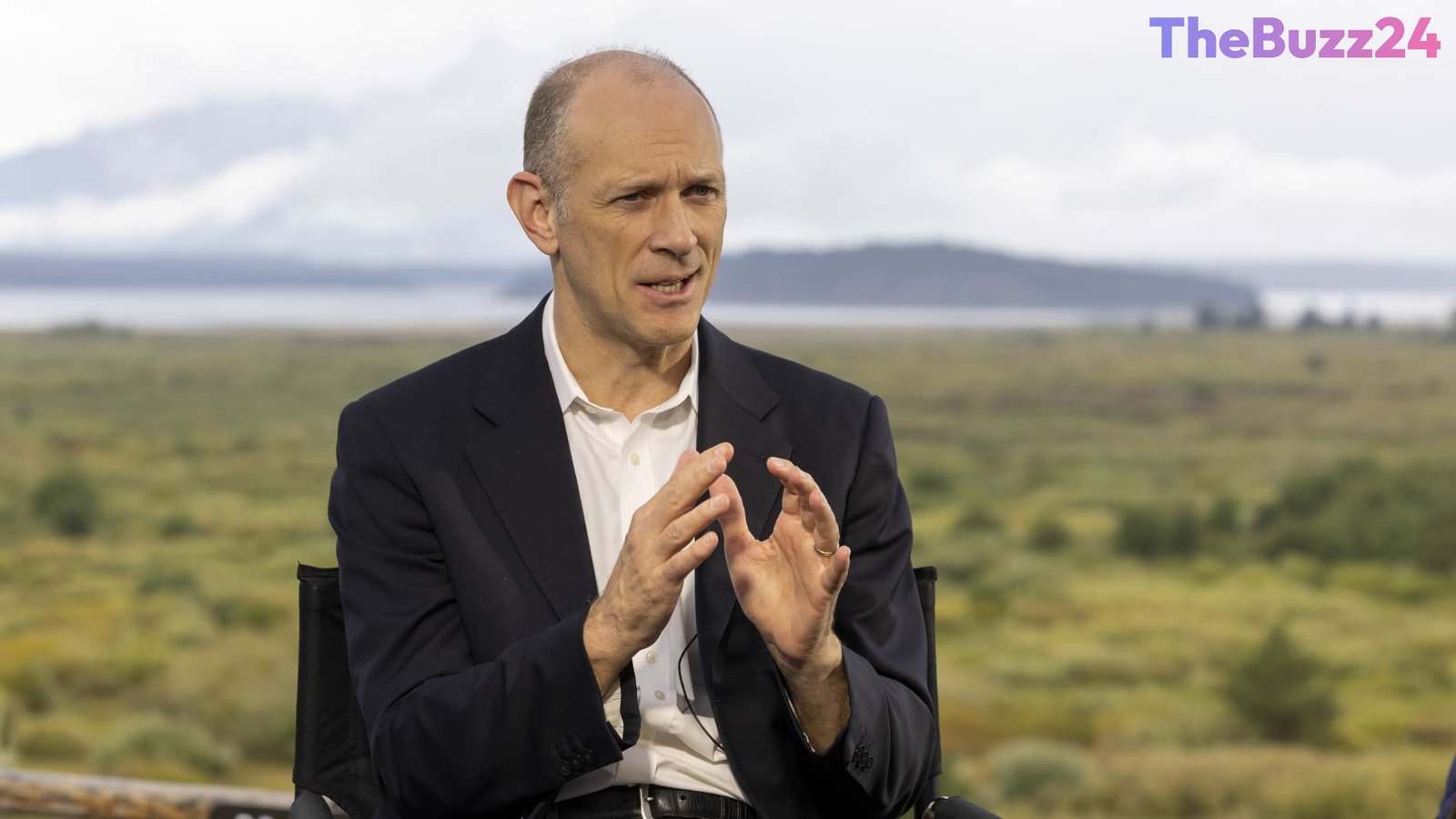
Chicago Federal Reserve President Austan Goolsbee recently voiced significant concern regarding the central bank’s progress toward its inflation target, stating that the institution is moving further away from its goal and “has definitely got work to do to continue to reestablish its credibility.” His remarks underscore a growing apprehension among policymakers about the persistence and broadening scope of inflationary pressures.
The policymaker indicated that inflation is not only proving more stubborn than initially predicted but is also beginning to spread throughout the economy. This assessment follows recent economic data, including a 0.3% increase in the Producer Price Index (PPI) for October, which, while slightly below expectations, still represented a 6.5% annual gain—the highest since November 2022. Earlier in the week, the Consumer Price Index (CPI) also showed a rise that exceeded forecasts, further signaling a challenging environment for price stability.
Goolsbee attributed the current inflationary landscape to a combination of factors, including persistent supply shocks and a new wave of “old-fashioned demand overheating” stemming from the extensive buildout of AI data centers. He noted that this demand-side pressure appears to be expanding beyond its initial confines. With the rate-setting Federal Open Market Committee (FOMC) scheduled to meet in December, markets are largely anticipating a quarter-percentage-point increase in interest rates, with a smaller but notable probability of a half-point hike, according to the CME Group’s FedWatch gauge. While Goolsbee is not a voting member of the FOMC this year, he will be in 2027. His sentiments echo those of other officials, such as Fed Governor Christopher Waller, who earlier suggested he would consider a 50 basis point move depending on incoming inflation data.
Ultimately, Goolsbee emphasized that the critical question remains whether inflation is on a clear path back to the Federal Reserve’s 2% target. His current assessment is unequivocal: “My feeling is, right now we’re not.”
Key Takeaways
- Chicago Fed President Austan Goolsbee believes the central bank is moving further from its 2% inflation target and needs to re-establish credibility.
- Recent data, including the Producer Price Index and Consumer Price Index, indicate inflation is persistent and spreading, partly due to AI data center demand.
- Markets are largely anticipating a quarter-point interest rate hike by the Federal Reserve in December, with some discussion of a larger increase.
Editor’s Analysis & Impact
Austan Goolsbee’s candid remarks, particularly his linkage of inflation to the burgeoning AI data center buildout, introduce a new and significant dimension to the ongoing economic narrative. This perspective suggests that inflationary pressures are not solely a remnant of supply chain disruptions but are also being actively fueled by robust demand in emerging technological sectors. For markets, this could signal a more entrenched inflationary environment, potentially leading to a sustained period of higher interest rates than previously anticipated. Businesses, especially those reliant on capital-intensive projects or sensitive to borrowing costs, may face increased financial strain. The broader implication is that the Federal Reserve’s path to its 2% target might be longer and more complex, requiring a nuanced approach to monetary policy that accounts for both traditional and novel drivers of inflation.
Frequently Asked Questions
Q: What is the Federal Reserve's inflation target?
A: The Federal Reserve aims for a long-run inflation rate of 2%, as measured by the personal consumption expenditures (PCE) price index. This target is considered optimal for fostering maximum employment and price stability.
Q: What is the significance of the Producer Price Index (PPI)?
A: The Producer Price Index (PPI) measures the average change over time in the selling prices received by domestic producers for their output. It is often seen as a leading indicator of future consumer inflation, as increases in wholesale prices can eventually be passed on to consumers.
Q: How does the AI data center buildout contribute to inflation?
A: According to Goolsbee, the significant investment and expansion in AI data centers create "old-fashioned demand overheating." This drives up prices for components, energy, and labor in related sectors, which then spreads to the broader economy, contributing to overall inflationary pressures.
AI Disclosure: This article is based on verified data and official reports. Our Team and AI have cross-referenced every financial detail with primary sources to ensure total accuracy.
More from this Category