Canada Issues Legal Ultimatum to Stellantis Over Brampton Plant Sale
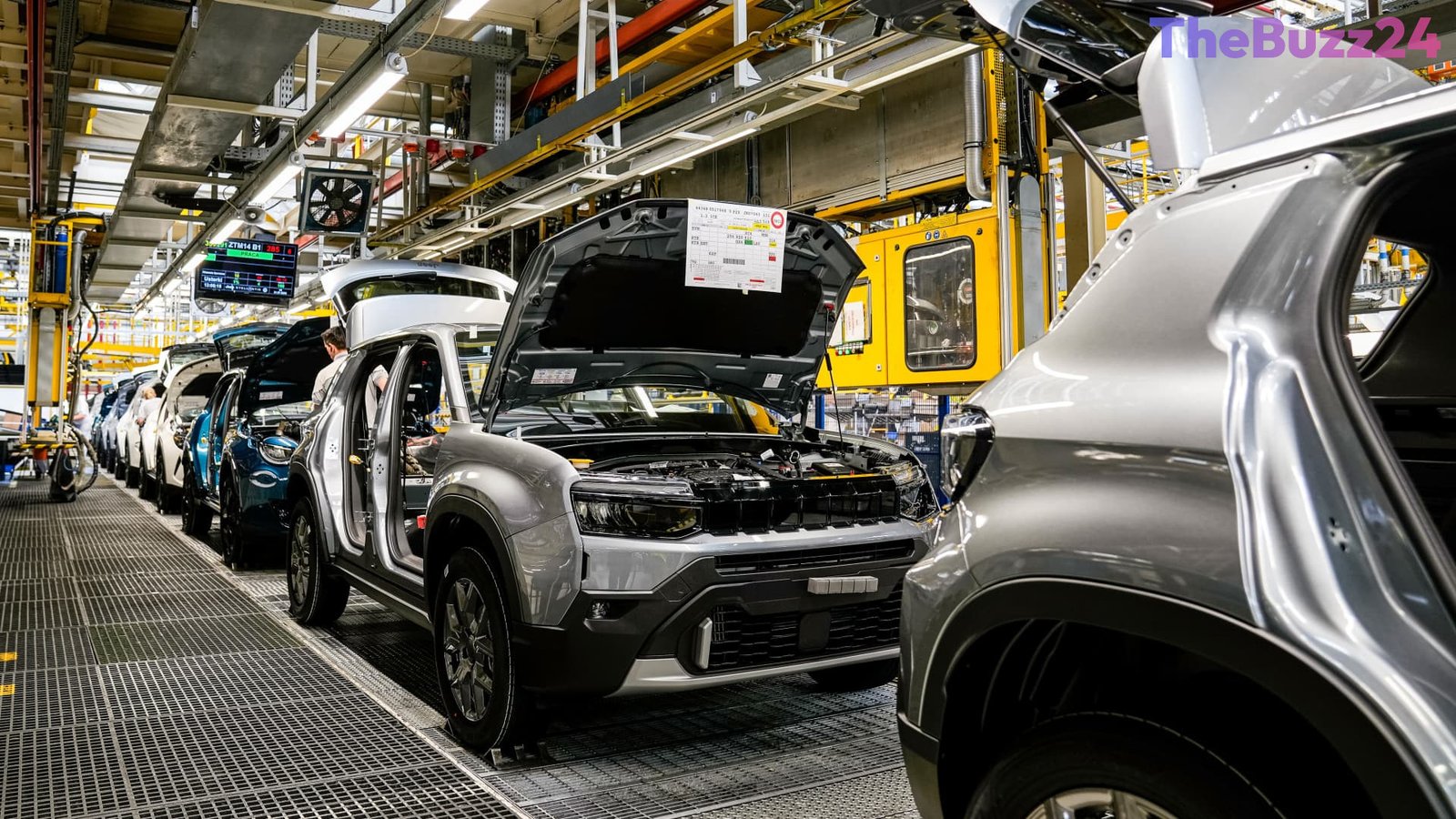
The Canadian government has issued a formal notice of default to automotive giant Stellantis, demanding the company address alleged breaches of a federal funding agreement within 30 days or face a lawsuit. The dispute centers on the automaker’s decision to sell its idled assembly plant in Brampton, Ontario, to the defense manufacturer Roshel, a move that Ottawa claims violates contractual obligations made to both the state and the local workforce.
Industry Minister Mélanie Joly confirmed that the government is prepared to pursue legal action if the company fails to rectify the situation. Officials argue that the sale represents a significant departure from previous commitments, potentially leaving the company liable for hundreds of millions of dollars in financial penalties. Prime Minister Mark Carney has publicly criticized the decision, labeling the move a betrayal of the Canadian workers who relied on the facility’s future operations.
The conflict arises as North American automotive manufacturing faces intense pressure from shifting trade policies and U.S. tariff threats. Stellantis, which oversees brands such as Jeep, Chrysler, and Dodge, previously abandoned plans to produce the Jeep Compass in Brampton, opting instead to shift production to Illinois. While Stellantis has offered to return $24 million in government support, the Canadian government maintains that this figure is insufficient given the scale of the original investment and the economic impact of the plant’s closure.
In response, Stellantis leadership stated that the sale to Roshel provides a path for the facility to return to productive industrial use. The company emphasized that it remains committed to its broader Canadian operations and is prepared to negotiate with the labor union, Unifor, to support affected employees. Despite these assurances, the standoff highlights the growing friction between major manufacturers and national governments as global trade dynamics force companies to consolidate production footprints.
Key Takeaways
- Canada has given Stellantis a 30-day deadline to resolve a breach of contract dispute or face a lawsuit.
- The dispute was triggered by Stellantis selling its Brampton assembly plant to a defense manufacturer instead of using it for vehicle production.
- Stellantis has offered to return $24 million in government funding, but Ottawa claims the company owes significantly more.
Editor’s Analysis & Impact
The standoff between Canada and Stellantis serves as a bellwether for the broader challenges facing the North American automotive sector. As manufacturers navigate the complexities of U.S. trade policies and the transition to new production models, they are increasingly finding themselves at odds with national governments that view these plants as critical pillars of local employment and economic stability. The aggressive stance taken by the Canadian government signals a shift toward stricter enforcement of industrial subsidies and contractual obligations. For Stellantis, the situation is compounded by a significant decline in share value and the need to optimize its global footprint. The outcome of this legal threat will likely set a precedent for how future government-industry disputes are handled, particularly as protectionist trade measures continue to reshape regional supply chains and manufacturing strategies.
Frequently Asked Questions
Q: Why is the Canadian government threatening to sue Stellantis?
A: The government alleges that Stellantis breached a federal funding agreement by selling its Brampton assembly plant to a third party instead of fulfilling its commitment to maintain vehicle production at that site.
Q: What is the current status of the Brampton plant?
A: Stellantis has agreed to sell the idled facility to Roshel, a Canadian defense manufacturer, after deciding to shift its Jeep Compass production to a factory in Illinois.
AI Disclosure: This article is based on verified data and official reports. Our Team and AI have cross-referenced every financial detail with primary sources to ensure total accuracy.
More from this Category