Israeli Tech Ecosystem Eyes Opportunity Amid Nvidia Leadership Transition
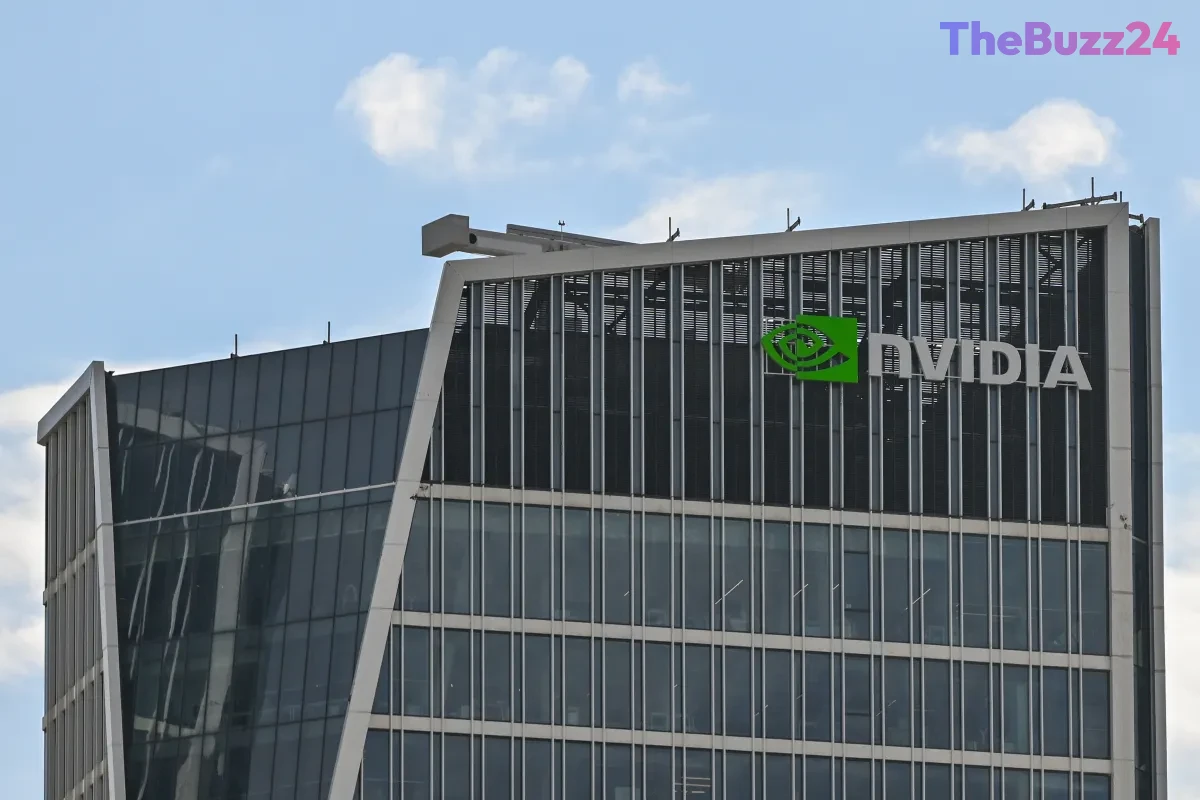
The technology sector in Israel is closely monitoring developments at Nvidia following a significant leadership transition. Known locally as a vital second home, the semiconductor giant has deeply integrated itself into the nation’s economic landscape through extensive research and development operations, notably anchored by the multi-billion-dollar acquisition of Mellanox. This integration has historically provided a robust foundation for local economic growth and technological innovation.
With leadership changes underway, industry observers and venture capitalists are weighing the potential impacts on Nvidia’s strategic commitments in the region. Although interim leadership has reassured stakeholders of ongoing engagement, the departure of long-standing executive vision has triggered discussions regarding the future trajectory of the AI hardware market. Competitors and alternative chip developers are viewing this transitional period as a potential opening to capture market share, particularly as global demand shifts toward specialized AI inference software and alternative architectures.
Despite the shifting dynamics at the top, market experts emphasize that Nvidia’s core technology ecosystem remains exceptionally strong. While strategic decision-making processes may experience temporary adjustments, the fundamental demand for advanced computing infrastructure is expected to persist. For Israeli startups and global challengers alike, the current landscape offers a unique window to demonstrate alternative economic models and innovative approaches to artificial intelligence hardware development.
Key Takeaways
- Israel's tech sector is closely evaluating Nvidia's leadership changes due to deep R&D ties and economic impacts.
- Venture capitalists believe the transition could open windows of opportunity for competing AI chip developers.
- Despite leadership shifts, Nvidia's core technology and robust ecosystem remain firmly intact.
Editor’s Analysis & Impact
The leadership transition at Nvidia marks a pivotal moment for the global artificial intelligence hardware market. For years, the company operated under a singular, highly aggressive vision that cemented its near-monopoly status in GPU manufacturing and AI training infrastructure. With new leadership on the horizon, the centralized grip on capital allocation and strategic acquisitions is likely to loosen. This structural shift creates a strategic opening for venture-backed challengers and alternative semiconductor developers to capture market share. However, broader market growth depends on whether competitors can successfully scale their operations without sacrificing the economic efficiencies that Nvidia has established. The coming quarters will test whether emerging chipmakers can capitalize on potential hesitation from legacy giants or if the established ecosystem remains unassailable.
Frequently Asked Questions
Q: Why is Nvidia's leadership change significant for Israel?
A: Israel serves as a major R&D hub for Nvidia, heavily anchored by the Mellanox acquisition and thousands of local employees, making the nation's tech economy sensitive to shifts in corporate strategy.
Q: How are competitors viewing Nvidia's leadership transition?
A: Competitors and venture capitalists see the shift as a potential opening to introduce alternative chip designs and capture a larger share of the evolving AI hardware market.
AI Disclosure: This article is based on verified data and official reports. Our Team and AI have cross-referenced every financial detail with primary sources to ensure total accuracy.
More from this Category