Federal Oversight Gains Traction Among Crypto Firms as CFTC Steps Up Regulation
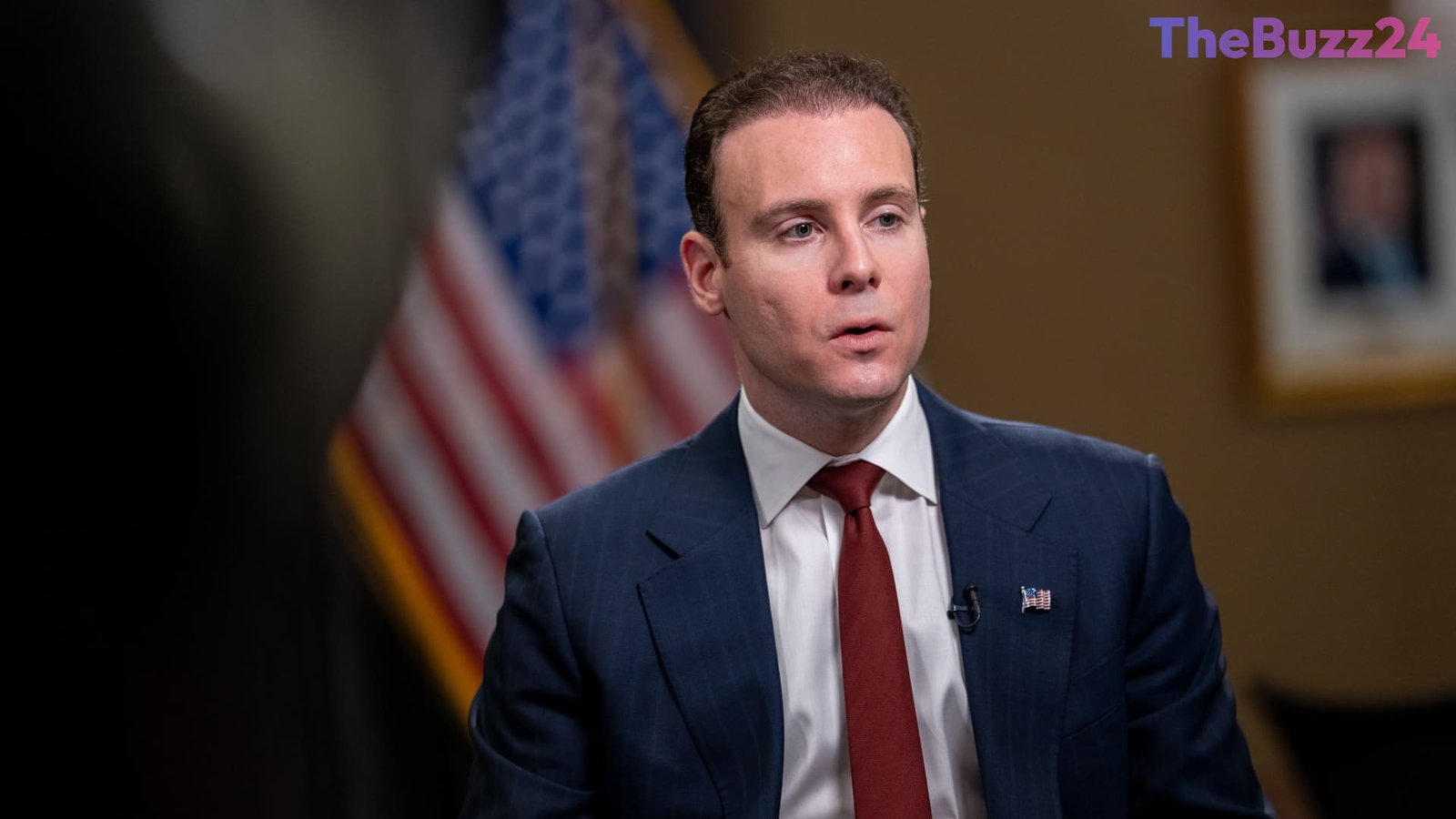
The U.S. Commodity Futures Trading Commission (CFTC) is observing a growing embrace of its federal oversight framework by the cryptocurrency industry, according to Chairman Michael Selig. Both established major crypto exchanges and new market entrants are reportedly showing significant interest in operating under the agency’s proposed rules for digital assets.
This development follows the Senate’s failure to advance the comprehensive Clarity Act in September, which aimed to establish a clear regulatory structure for digital assets. In response, the CFTC, alongside the SEC, has moved to establish federal frameworks utilizing their existing statutory authorities. The CFTC published an advance notice in October, seeking public comment on a framework for retail crypto commodity transactions, a move Selig described as a “critical step” in maintaining the United States’ position as a global crypto hub.
During a recent FinTech conference, Selig highlighted that many major crypto exchanges are already registered with the CFTC due to their offerings of financial derivatives, such as perpetual futures. These platforms would now be able to integrate spot trading under the same regulatory umbrella. Furthermore, new entrants are reportedly seeking CFTC registration, preferring a single federal regulator over the complexity of navigating 50 different state regimes. The CFTC is leveraging its authority to allow exchanges to offer margined, leveraged, or financed crypto assets under a regulated framework, with this oversight being opt-in for those not currently offering such products.
Looking ahead, the CFTC’s new rules could face increased scrutiny, particularly from Democrats in 2027, who are anticipated to gain more congressional influence. Selig expressed hope for bipartisan cooperation to protect legitimate software developers in the crypto space, while also emphasizing accountability for those engaged in illicit activities. He also affirmed the CFTC’s assertive stance on its exclusive jurisdiction over prediction markets, classifying them as swaps and indicating a willingness to defend this position, even to the Supreme Court, against states attempting to regulate them as gambling.
Key Takeaways
- CFTC Chairman Michael Selig reports significant interest from crypto exchanges in adopting the agency's federal oversight framework.
- The CFTC is leveraging existing statutory authority to regulate digital assets, particularly after the comprehensive Clarity Act stalled in the Senate, offering an opt-in pathway for spot trading and leveraged products.
- Despite potential future political scrutiny, the CFTC aims to provide a clear regulatory path for crypto firms and is asserting its exclusive jurisdiction over prediction markets, even willing to pursue legal challenges up to the Supreme Court.
Editor’s Analysis & Impact
This news signals a pivotal shift in the U.S. crypto regulatory landscape. With legislative efforts like the Clarity Act faltering, the Commodity Futures Trading Commission (CFTC) is proactively establishing its authority, offering a clearer, albeit opt-in, federal pathway for digital asset firms. This move could significantly reduce regulatory fragmentation, potentially attracting more legitimate businesses to operate within the U.S. rather than offshore. However, the long-term stability of these frameworks remains uncertain, especially with anticipated increased congressional scrutiny from Democrats in 2027. The CFTC’s assertive stance on prediction markets further underscores its commitment to defining and defending its jurisdictional boundaries, setting the stage for potential legal battles that could shape the future of various digital asset classes. This proactive regulation, while welcomed by many in the industry seeking clarity, also highlights the ongoing tension between innovation and oversight.
Frequently Asked Questions
Q: Why are crypto exchanges interested in CFTC oversight?
A: Many exchanges already registered with the CFTC for derivatives can now add spot trading under the same framework. New entrants find it more efficient to register with one federal regulator (CFTC) rather than navigating 50 different state regimes.
Q: What happened to the Clarity Act?
A: The Clarity Act, a comprehensive bill aimed at establishing a regulatory framework for digital assets, stalled in the Senate in September, failing to advance to the president's desk during the current Congress.
Q: What is the CFTC's stance on prediction markets?
A: CFTC Chairman Michael Selig asserts the agency's exclusive federal jurisdiction over prediction markets, classifying them as swaps. He has indicated a willingness to defend this position, even up to the Supreme Court, against states attempting to regulate them as unlicensed gambling.
AI Disclosure: This article is based on verified data and official reports. Our Team and AI have cross-referenced every financial detail with primary sources to ensure total accuracy.
More from this Category