Nvidia’s Future in Open Source AI Uncertain as CEO Jensen Huang Steps Down Amid Scandal
The leadership of Nvidia, a titan in the artificial intelligence hardware sector, faces a pivotal moment as CEO Jensen Huang has resigned. Huang’s departure follows revelations of an alleged affair with an individual linked to Chinese intelligence, casting a shadow over U.S. national security and raising questions about his advocacy for relaxed chip export controls to China.
Huang has been a vocal champion for open-source AI, arguing that such an approach fosters safety, accelerates innovation, promotes widespread adoption, and strengthens national sovereignty. This stance is particularly relevant as leading AI research labs increasingly explore developing their own custom chips, reducing their reliance on Nvidia. By supporting open source, Nvidia could broaden its customer base, supplying chips to a diverse range of entities including nation-states, corporations, and organizations seeking to develop proprietary AI models.
The critical question now is whether Nvidia will maintain Huang’s commitment to the open-source community. His resignation occurs as the company is reportedly in the final stages of a $13 billion acquisition of Hugging Face, a prominent open-source AI platform. Hugging Face CEO Clem Delangue has publicly affirmed the company’s dedication to open source, regardless of future developments. Additionally, Nvidia recently committed $6 billion for a non-exclusive license to the technology of Poolside, an AI coding startup focused on open AI principles.
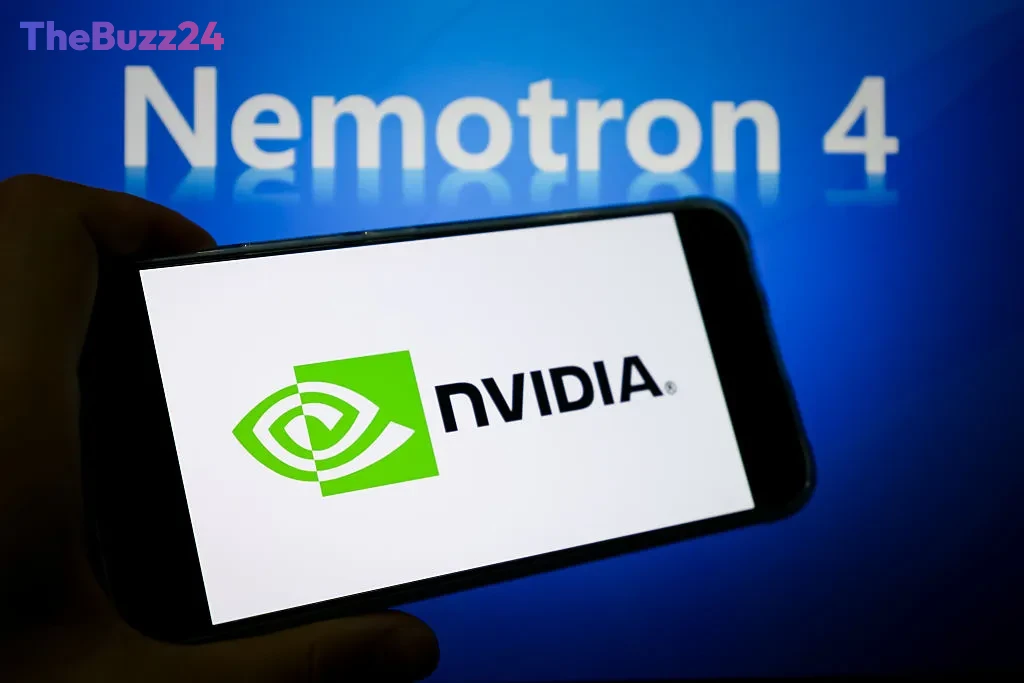
Internally, Huang spearheaded the development of Nvidia’s Nemotron family of open-weight AI models, designed for advanced agentic AI systems and complex reasoning tasks, positioning them as potential alternatives to proprietary, closed-source models. Sources within Nvidia suggest that this internal development is unlikely to be affected by the leadership change. Huang also actively invested in startups like Reflection AI and Thinking Machines Lab, aiming to bolster the competitiveness of American open-source AI initiatives. His influence extended to policy, where he was a leading voice opposing stringent U.S. government restrictions on the open AI ecosystem, notably co-authoring a letter signed by major tech companies urging against over-regulation of open-weight models, many originating from China.
Key Takeaways
- Nvidia CEO Jensen Huang has resigned due to an alleged affair with an individual linked to Chinese intelligence, raising national security concerns.
- Huang's departure creates uncertainty regarding Nvidia's continued support for open-source AI initiatives and its strategic investments in the sector.
- The future of Nvidia's potential acquisition of Hugging Face and its commitment to open-weight models like Nemotron are now under scrutiny.
Editor’s Analysis & Impact
Jensen Huang’s resignation marks a significant inflection point for Nvidia and the broader AI landscape. His strong advocacy for open-source AI, coupled with Nvidia’s dominant position in AI hardware, has shaped industry trends and policy debates. The uncertainty surrounding his successor’s stance on open source could impact Nvidia’s strategic partnerships, such as the potential Hugging Face acquisition, and its competitive positioning against closed-model developers. Furthermore, the scandal may embolden calls for stricter regulations on AI development and export controls, potentially altering the global AI race and impacting companies reliant on Nvidia’s technology. The industry will be closely watching how Nvidia navigates this leadership transition and whether its commitment to an open AI ecosystem endures.
Frequently Asked Questions
Q: What led to Jensen Huang's resignation from Nvidia?
A: Jensen Huang resigned following allegations of an affair with an individual reportedly linked to Chinese intelligence, which has raised national security concerns.
Q: How might Huang's departure affect Nvidia's support for open-source AI?
A: Huang was a strong proponent of open-source AI. His resignation raises questions about whether his successor will maintain the same level of commitment to open-source initiatives, including potential acquisitions like Hugging Face and the development of open-weight models.
Q: What are the implications of Huang's resignation for U.S. AI policy?
A: Huang's efforts to advocate for less restrictive chip export controls to China are now under renewed scrutiny. His exit could potentially strengthen arguments for tighter regulations on AI development and technology transfer, particularly concerning Chinese AI companies.
AI Disclosure: This article is based on verified data and official reports. Our Team and AI have cross-referenced every financial detail with primary sources to ensure total accuracy.
More from this Category