Kraft Heinz Pivots to Innovation to Revitalize Iconic Grocery Brands
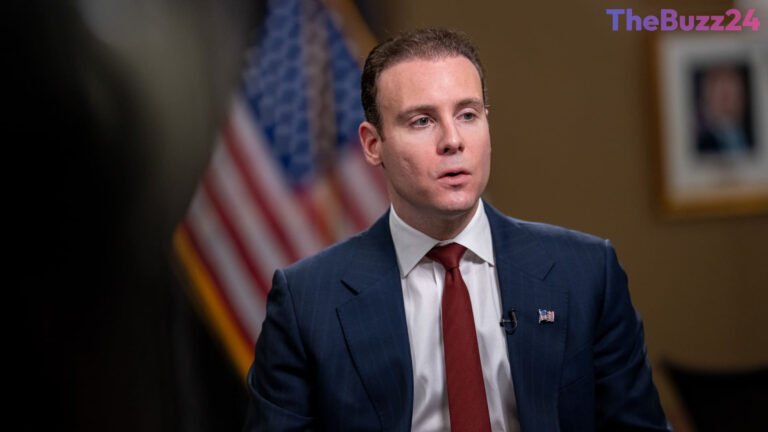
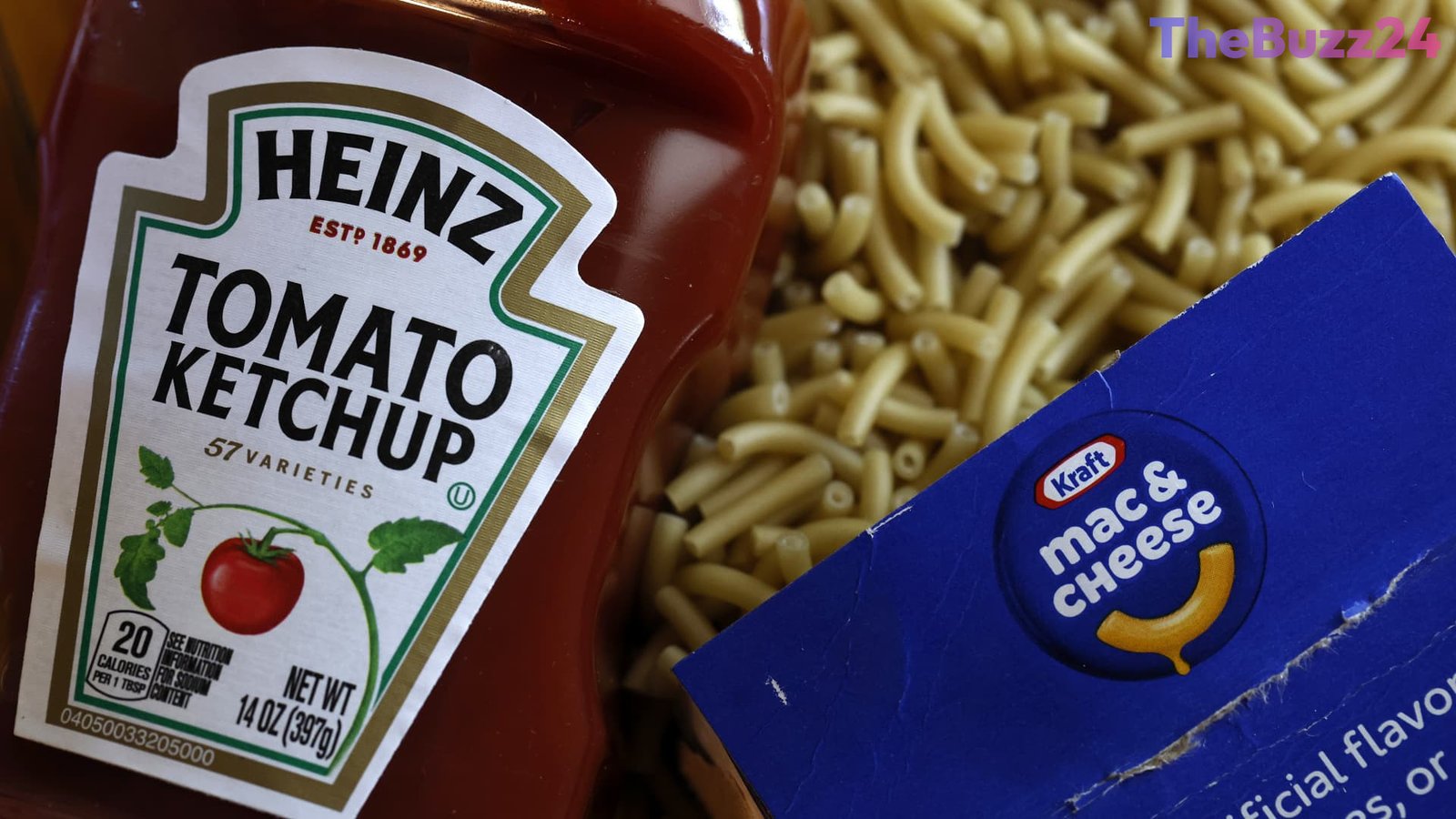
Kraft Heinz is embarking on a significant strategic shift, moving away from relying solely on the legacy of its household names to embrace aggressive product innovation. Under the leadership of CEO Steve Cahillane, the packaged food giant is injecting $700 million into its operations and abandoning previous plans to split the company. Instead, the firm is focusing on modernizing staples like Jell-O, Philadelphia cream cheese, and Kraft Mac & Cheese to align with contemporary consumer demands for convenience and higher protein content.
This turnaround strategy acknowledges that even the most established brands cannot survive on history alone. By integrating functional benefits into familiar products, the company aims to reverse years of declining revenue. Recent successes, such as the high-protein ‘PowerMac’ and the viral launch of Cheesy Ramen in Canada, suggest that consumers are receptive to these updates. The company plans to expand these offerings, including a protein-fortified Jell-O pudding and new iterations of Philadelphia cream cheese, to capture market share from competitors in the health-conscious segment.
Financial performance remains a focal point for the company as it works to regain investor confidence. While the firm has faced consecutive years of revenue decline, leadership projects a return to growth by the second half of 2027. The decision to halt the company split is central to this plan, as management believes that keeping the business unified allows for more effective resource allocation toward research and development. With shares showing recent signs of momentum, the market is beginning to respond positively to this renewed focus on brand revitalization.
Key Takeaways
- Kraft Heinz is investing $700 million to modernize legacy brands with high-protein and convenient product variations.
- The company has officially abandoned plans to split its business, opting instead to consolidate resources for R&D and brand growth.
- Management projects a return to top- and bottom-line growth by the second half of 2027, supported by successful product launches like Cheesy Ramen.
Editor’s Analysis & Impact
The pivot by Kraft Heinz represents a broader trend in the CPG (Consumer Packaged Goods) sector, where legacy firms are struggling to maintain relevance against agile, health-focused startups. By leveraging the ‘halo effect’ of trusted household names and infusing them with functional ingredients like protein, Kraft Heinz is attempting to capture the ‘wellness’ demographic without losing its core customer base. The decision to halt the company split is a strategic bet that operational synergy and brand equity are more valuable than the potential short-term gains of a breakup. If the company successfully executes its R&D roadmap—specifically overcoming the texture challenges associated with protein-fortified snacks—it could set a blueprint for other legacy food conglomerates to follow. However, the company remains under pressure to prove that these innovations can drive sustained, long-term revenue growth rather than just temporary spikes in interest.
Frequently Asked Questions
Q: Why did Kraft Heinz decide not to split the company?
A: CEO Steve Cahillane determined that splitting the business would result in two suboptimal entities and that the company's resources would be better utilized by reinvesting in the revitalization of its existing brands.
Q: What is the primary focus of the new product innovation at Kraft Heinz?
A: The company is focusing on adding functional benefits, specifically higher protein content, to classic products like Jell-O, Philadelphia cream cheese, and Kraft Mac & Cheese to meet modern consumer health and convenience trends.
AI Disclosure: This article is based on verified data and official reports. Our Team and AI have cross-referenced every financial detail with primary sources to ensure total accuracy.
More from this Category