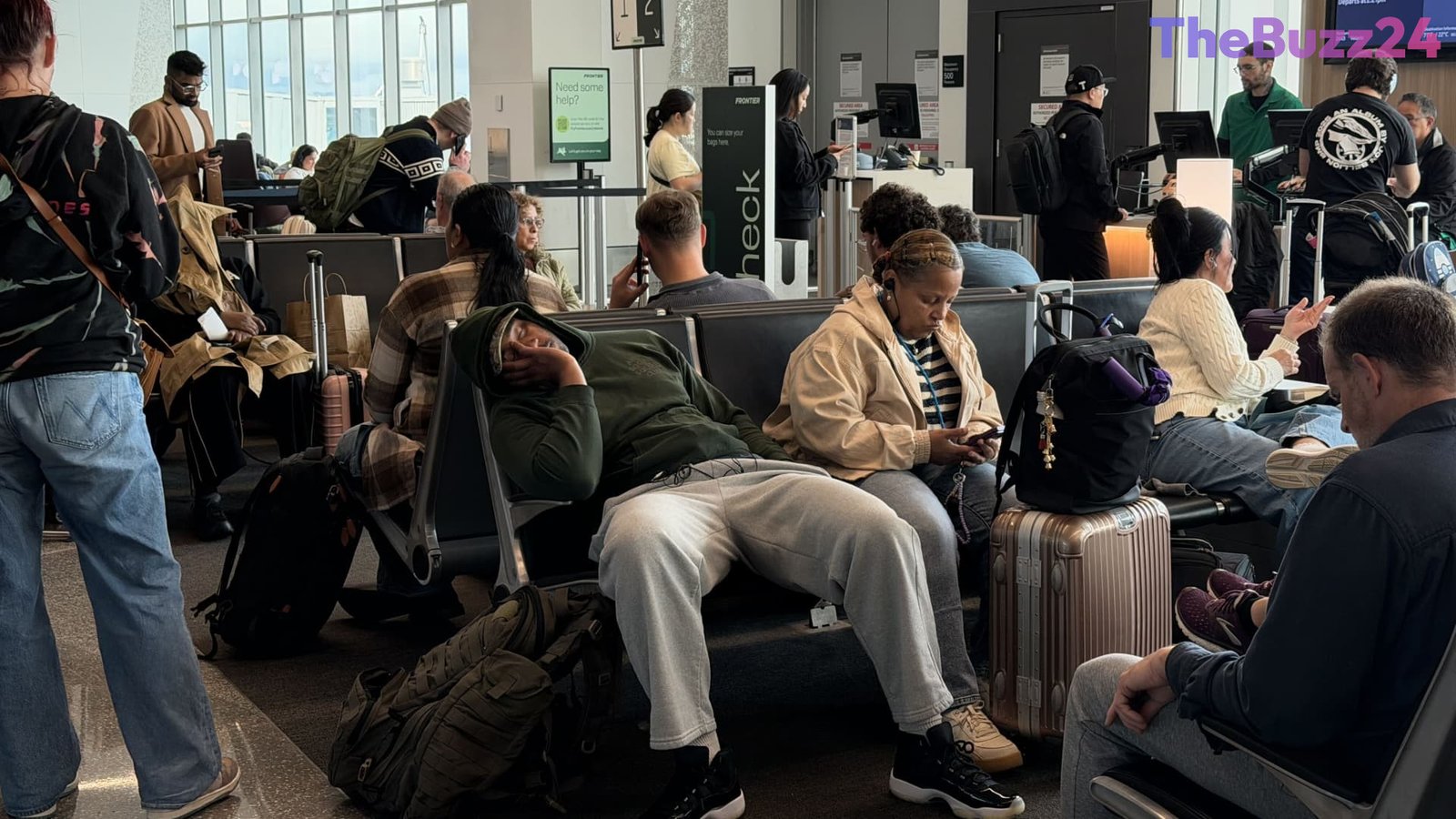
Nationwide FAA Ground Stop Cripples U.S. Air Travel, Spotlighting Aging Infrastructure
A rare nationwide ground stop ordered by the Federal Aviation Administration on Friday brought air travel across the United States to a standstill for more than four hours, throwing the travel plans of hundreds of thousands of passengers into chaos. The emergency stoppage, which disrupted upwards of 10,000 flights, was triggered by critical communication failures affecting multiple high-altitude air traffic control centers. Officials confirmed that overloaded telecommunications routers were the root cause of the widespread failure, forcing a temporary halt on all domestic departures out of an abundance of caution.
While the ground stop was lifted late Friday evening, the ripple effects of the disruption are expected to severely impact airline schedules throughout the weekend. Major carriers, including JetBlue Airways, proactively canceled numerous weekend flights to reposition grounded aircraft and displaced flight crews. Transportation officials quickly ruled out any malicious intent or cyberattack, attributing the crisis instead to mechanically driven equipment failures. Nevertheless, the incident has reignited intense scrutiny regarding the reliability of the nation’s aging aviation technology.
Government and industry leaders have long warned that critical air traffic control infrastructure is operating on borrowed time. Transportation Secretary Sean Duffy bluntly acknowledged the vulnerability of the system, noting that such failures will likely persist without significant overhauls. As technicians continue investigating the specific hardware malfunction, lawmakers face renewed pressure to secure substantial funding to modernize the country’s outdated aviation network and prevent future nationwide gridlocks.
Key Takeaways
- The FAA enforced a rare nationwide ground stop lasting over four hours due to severe telecommunications overloads.
- Over 10,000 flights were disrupted, with cascading delays and cancellations expected to impact travel throughout the weekend.
- Officials ruled out cyberattacks, pointing instead to mechanical failures and critically aging aviation infrastructure.
Editor’s Analysis & Impact
The latest FAA system failure underscores a systemic vulnerability within the U.S. transportation network: the heavy reliance on aging, overburdened technology infrastructure. Beyond the immediate financial losses for major airlines and the acute frustration experienced by millions of travelers, this incident highlights a pressing national security and economic imperative for infrastructure modernization. As air travel demand continues to scale upward post-pandemic, patching legacy systems is no longer viable. The economic fallout from prolonged ground stops extends well beyond aviation, impacting tourism, commerce, and supply chains. Moving forward, bipartisan legislative focus and substantial capital allocation toward next-generation air traffic control systems will be non-negotiable to restore absolute confidence in the safety and reliability of American skies.
Frequently Asked Questions
Q: What caused the nationwide FAA ground stop?
A: The ground stop was caused by overloaded telecommunications routers that affected multiple air traffic control centers, leading to a temporary communication outage.
Q: Are nationwide ground stops common in the U.S.?
A: No, nationwide ground stops are extremely rare. Prior to this incident, the last nationwide stoppage occurred in January 2023 due to a pilot alert system failure, and before that, following the September 11 terrorist attacks.
Q: When will normal flight schedules resume?
A: While the ground stop was lifted on Friday evening, airlines warned that delays and cancellations would stretch into the weekend as carriers work to reposition displaced aircraft and flight crews.
AI Disclosure: This article is based on verified data and official reports. Our Team and AI have cross-referenced every financial detail with primary sources to ensure total accuracy.
More from this Category