Nvidia Export Scandal: Commerce Secretary’s Actions Questioned Amid Family Firm’s Deep Ties
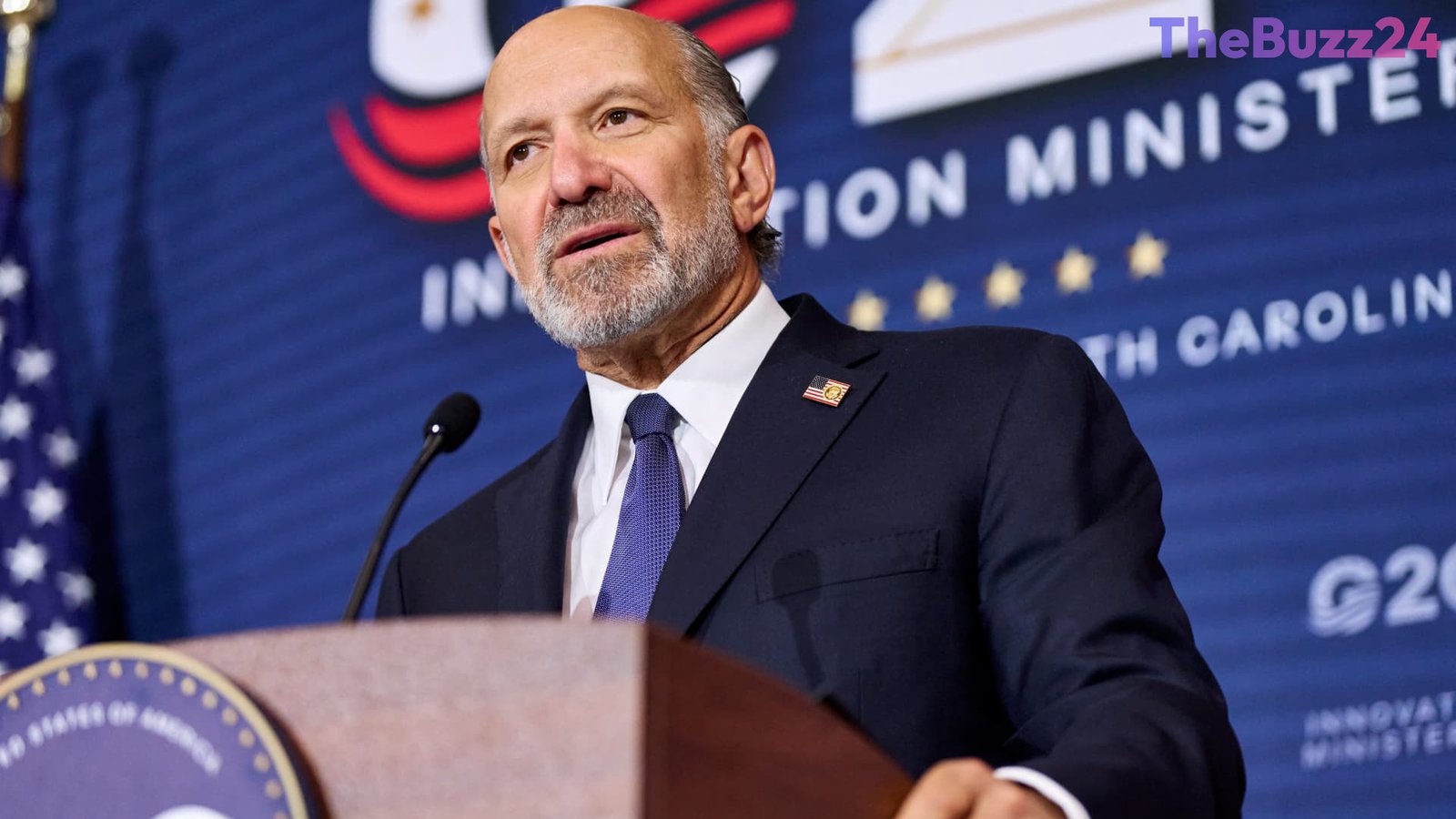
A significant controversy has emerged around Commerce Secretary Howard Lutnick, who reportedly faced pressure from within the administration to address the suspected smuggling of advanced Nvidia artificial intelligence chips to China. This period coincided with a notable reduction in Nvidia shareholdings by Cantor Fitzgerald, the Wall Street firm now led by Lutnick’s sons, which simultaneously maintained extensive commercial ties to the chipmaker. The firm’s reported Nvidia share count decreased by nearly half between September 2025 and March 2026, a period during which U.S. officials were urging a crackdown on entities like Megaspeed, a Singapore-based company suspected of funneling these critical chips.
Despite the reduction in direct stock holdings, Cantor Fitzgerald continued to engage deeply within Nvidia’s vast AI business ecosystem. The firm played a role in arranging billions of dollars in financing for key Nvidia partners, such as the cloud computing provider IREN and AI infrastructure developer Lancium. These relationships persisted even as Secretary Lutnick reportedly received classified intelligence warnings concerning Nvidia CEO Jensen Huang’s ties to a suspected Chinese spy and appeared alongside Huang at international technology summits. The ongoing financial engagements and the timing of the share adjustments have drawn sharp focus, particularly following Huang’s recent resignation and revelations about the administration’s internal debates over export controls.
The situation has prompted considerable scrutiny from both ethics experts and Capitol Hill lawmakers. Richard Painter, a former chief White House ethics lawyer, noted that while there is no proof of Secretary Lutnick sharing nonpublic information with Cantor Fitzgerald, “the appearance doesn’t look great.” This sentiment is echoed by senators who have called for ethics investigations and demanded the preservation of records related to Nvidia’s chip exports and intelligence warnings. Furthermore, cracks in the administration’s unity became apparent, with Treasury Secretary Scott Bessent indicating that multiple departments favored placing Megaspeed on a restricted entity list for months, implicitly pointing to the Commerce Department’s role in the delay. President Donald Trump, however, has publicly expressed “complete confidence” in Secretary Lutnick amidst the unfolding questions.
The evolving narrative underscores the complex interplay between national security, international trade, and the financial interests of high-ranking government officials and their families. While Cantor Fitzgerald has stated that its proprietary positions in Nvidia were immaterial and that its 13F filings reflected ordinary course of business client swap transactions, the close timing of events and the strategic importance of AI chips continue to fuel public and political debate over transparency and potential conflicts of interest in critical technology sectors.
Key Takeaways
- Commerce Secretary Howard Lutnick faced pressure to address suspected smuggling of Nvidia AI chips to China, a period coinciding with his sons' firm, Cantor Fitzgerald, adjusting its Nvidia holdings.
- Cantor Fitzgerald significantly reduced its direct Nvidia shareholdings while maintaining extensive commercial ties and arranging financing for companies within Nvidia's broader AI ecosystem.
- The situation has drawn scrutiny from ethics experts and lawmakers, raising questions about potential conflicts of interest and the appearance of impropriety, though no evidence of direct influence has been presented.
Editor’s Analysis & Impact
This controversy highlights the intricate challenges at the intersection of national security, advanced technology, and government ethics. The market impact could see increased scrutiny on companies involved in critical technology exports, potentially leading to stricter compliance requirements and a more cautious approach from investors towards firms with perceived geopolitical risks. For the AI industry, this could mean a tightening of export controls, affecting global supply chains and market access, particularly for high-performance chips. The broader implications point to a growing demand for transparency in the financial dealings of public officials and their families, especially when their policy decisions directly impact sectors where their private interests might lie. This incident could set a precedent for future ethics guidelines and enforcement actions within government administrations.
Frequently Asked Questions
Q: What is the core controversy surrounding Commerce Secretary Howard Lutnick?
A: Secretary Lutnick is facing questions regarding his alleged resistance to cracking down on companies suspected of smuggling advanced Nvidia AI chips to China, while his sons' firm, Cantor Fitzgerald, maintained significant financial and commercial ties to Nvidia.
Q: Did Cantor Fitzgerald's business interests directly influence Secretary Lutnick's decisions?
A: There is currently no evidence to suggest that Cantor Fitzgerald's business interests directly influenced Secretary Lutnick's decisions. However, ethics experts have raised concerns about the appearance of a potential conflict of interest given the circumstances.
Q: What is the significance of Nvidia's advanced AI chips in this context?
A: Nvidia's advanced AI chips are considered critical technology with national security implications. Their potential diversion to countries like China, which are subject to export restrictions, is a major concern for U.S. officials aiming to control the spread of cutting-edge AI capabilities.
AI Disclosure: This article is based on verified data and official reports. Our Team and AI have cross-referenced every financial detail with primary sources to ensure total accuracy.
More from this Category