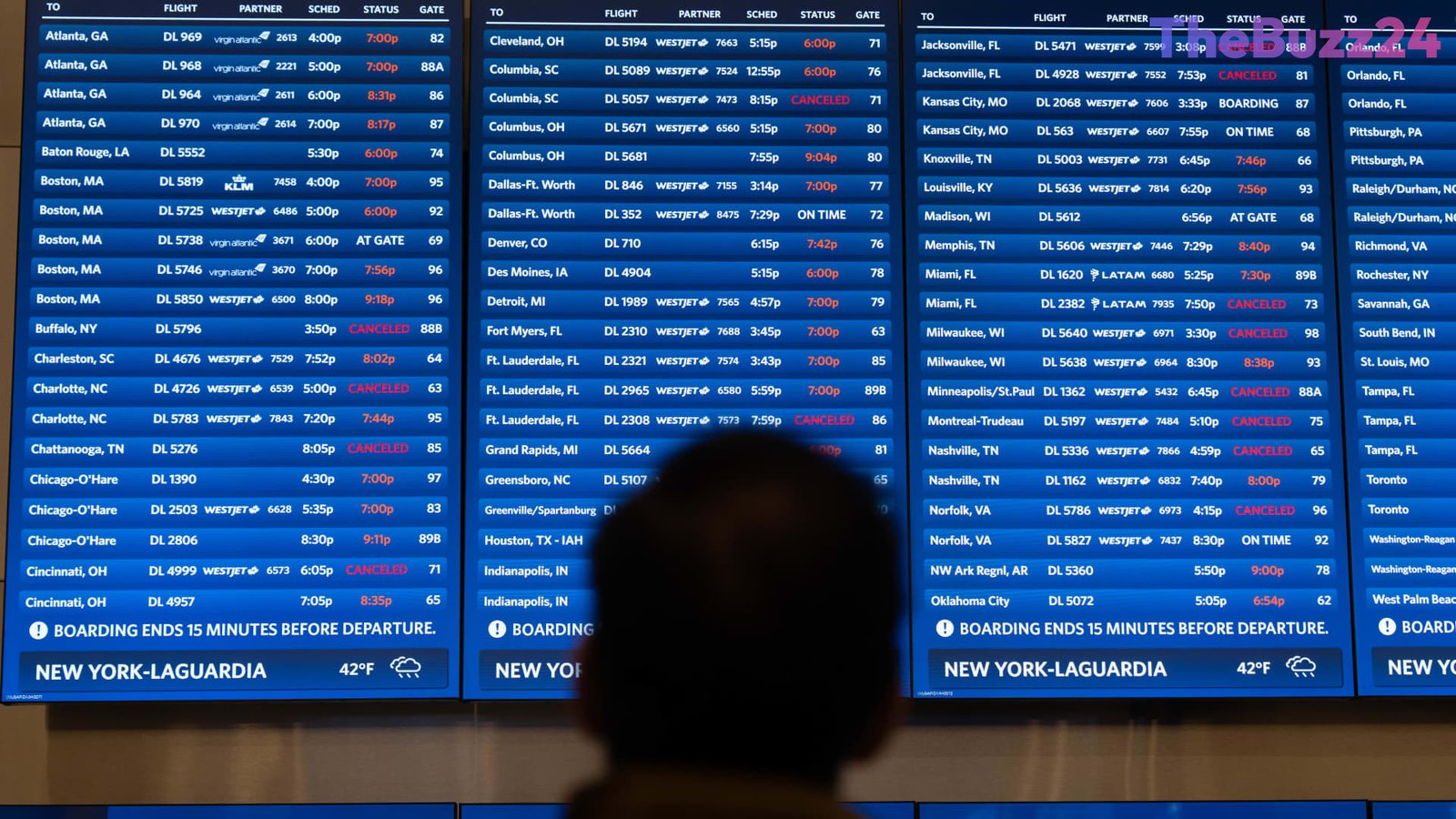
US Flight Schedules Stabilize Following Massive Tech-Induced Air Traffic Outage
Commercial air travel across the United States is regaining stability after a technical failure triggered widespread disruptions over the weekend. Major carriers expect operations to approach normal schedule levels, following several days marked by thousands of flight delays, mass cancellations, and crowded airport terminals nationwide. The turmoil initiated when the Federal Aviation Administration issued a nationwide ground stop lasting over four hours, causing a severe operational backlog.
The system outage was traced to a hardware malfunction during routine network maintenance managed by defense and technology contractor L3Harris Technologies. Officials confirmed that a failing router overwhelmed data feeds that supply critical radar and telecommunication data to air traffic controllers. The incident occurred during a transition project designed to upgrade legacy copper wire infrastructure to high-speed fiber-optic lines. To mitigate passenger disruption, airlines waived change fees, offered compensation incentives to crew members, and worked to clear standby lists.
Travelers across major hubs faced significant hurdles, with many forced to spend the night inside terminal facilities or take convoluted connection routes due to limited hotel availability and high last-minute lodging costs. Hub logistics were further strained as carriers scrambled to reposition aircraft and personnel disrupted by the sudden grounding of departures.
The widespread disruption has renewed public and political scrutiny regarding the resilience of national aviation infrastructure. Transportation Secretary Sean Duffy urged Congress to approve up to $50 billion in dedicated funding to modernize aging air traffic control systems. Meanwhile, key lawmakers highlighted existing infrastructure appropriations—including $12.5 billion approved last year for radar and airport improvements—promising strict legislative oversight to ensure system reliability going forward.
Key Takeaways
- U.S. flight operations are returning to near-normal levels following a major weekend outage that delayed and canceled thousands of flights.
- The disruption stemmed from a router failure during routine upgrades transitioning air traffic control systems from copper wiring to fiber optics.
- Federal officials are seeking up to $50 billion for system modernization, while lawmakers demand accountability on previously allocated infrastructure funds.
Editor’s Analysis & Impact
This recent air traffic failure highlights the significant risks involved in modernizing mission-critical transportation systems. While replacing legacy copper wiring with fiber-optic networks is vital for long-term efficiency and security, the failure of a single router component reveals critical gaps in redudancy and system reliability. For commercial airlines, the cascading delay network brings substantial financial costs through operational repositioning, crew overtime, and passenger rebookings. Moving forward, both federal regulators and tech contractors like L3Harris will face intense pressure to ensure fault-tolerant cutovers during system upgrades. Politically, the event sets up a contentious debate over whether to grant new multi-billion-dollar infrastructure requests or strictly audit previously authorized funds.
Frequently Asked Questions
Q: What caused the nationwide flight disruptions?
A: The disruptions resulted from a router failure during routine maintenance aimed at transitioning air traffic control data feeds from legacy copper wiring to a modern fiber-optic network.
Q: When will flight operations return to normal?
A: Airlines report that flight operations across the United States are expected to run close to normal schedules, though minor residual delays may persist as aircraft and crews are repositioned.
Q: How are government leaders responding to the outage?
A: Transportation officials are calling for up to $50 billion in new funding for air traffic system upgrades, while congressional leaders are calling for investigations and reviewing existing multi-billion-dollar infrastructure allocations.
AI Disclosure: This article is based on verified data and official reports. Our Team and AI have cross-referenced every financial detail with primary sources to ensure total accuracy.
More from this Category