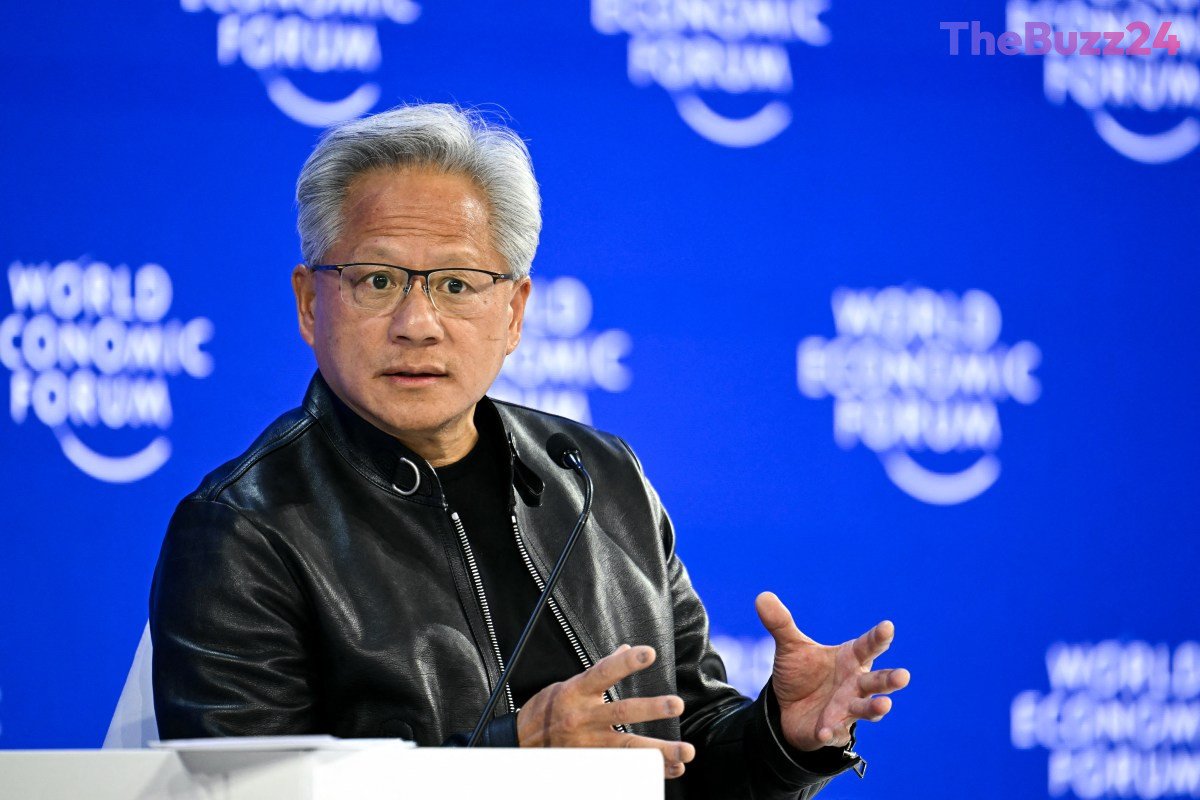
Jensen Huang Signals Openness to Nvidia CEO Return Amid Ongoing Investigations
Jensen Huang, the founder of Nvidia, has publicly expressed his willingness to resume his role as CEO should the company’s Board of Directors determine that his return serves the best interests of shareholders and the organization. This statement marks his first public communication since his resignation, which followed revelations regarding his personal conduct and potential security concerns involving international intelligence entities.
In his statement, Huang acknowledged personal failures that created significant challenges for the Board, expressing regret for his actions. Despite these admissions, he highlighted the overwhelming support he has received from employees, investors, and industry peers. A petition advocating for his reinstatement has gained substantial momentum, garnering over 10,000 signatures from current and former staff members, as well as high-profile figures in the technology sector such as Elon Musk. Supporters argue that the Board’s decision to remove him lacked sufficient due process and transparency.
However, the path to a potential return remains fraught with obstacles. Huang is currently scheduled to testify before Congress on December 1 regarding Nvidia’s chip export practices and their implications for national security. While internal pressure for his return persists, sources close to the Board have indicated that there are currently no formal plans to reinstate him. Furthermore, significant political opposition exists in Washington, where lawmakers remain deeply skeptical of his leadership given the ongoing scrutiny surrounding the company’s export compliance.
Key Takeaways
- Jensen Huang has publicly stated he would accept a return as Nvidia CEO if the Board of Directors deems it necessary.
- A petition supporting Huang's reinstatement has been signed by over 10,000 people, including prominent tech industry leaders.
- Huang faces significant political hurdles, including an upcoming Congressional hearing regarding Nvidia's export controls and security concerns.
Editor’s Analysis & Impact
The situation surrounding Jensen Huang represents a critical inflection point for Nvidia, a company that sits at the epicenter of the global AI hardware market. The tension between the grassroots support from employees and the stern opposition from political figures highlights the complex intersection of corporate governance and national security. For investors, the uncertainty regarding leadership stability poses a significant risk, particularly as the company navigates delicate geopolitical dynamics regarding chip exports. If the Board maintains its current stance, the company must quickly establish a clear, long-term leadership vision to reassure markets. Conversely, any move to reinstate Huang would likely trigger intense regulatory scrutiny and could potentially alienate key stakeholders in Washington, making a return to his former role a high-stakes gamble for the company’s future.
Frequently Asked Questions
Q: Why did Jensen Huang resign from his position as CEO of Nvidia?
A: Huang resigned following reports of personal misconduct, including affairs with a direct report and an executive linked to foreign intelligence services, which raised concerns regarding security and corporate governance.
Q: What is the primary concern regarding Nvidia's exports?
A: The primary concern involves the company's chip export practices, specifically regarding sales to entities with ties to China, which has drawn intense scrutiny from U.S. lawmakers and regulators.
AI Disclosure: This article is based on verified data and official reports. Our Team and AI have cross-referenced every financial detail with primary sources to ensure total accuracy.
More from this Category