NASA and Northrop Grumman Prepare for CRS-25 Resupply Mission to International Space Station
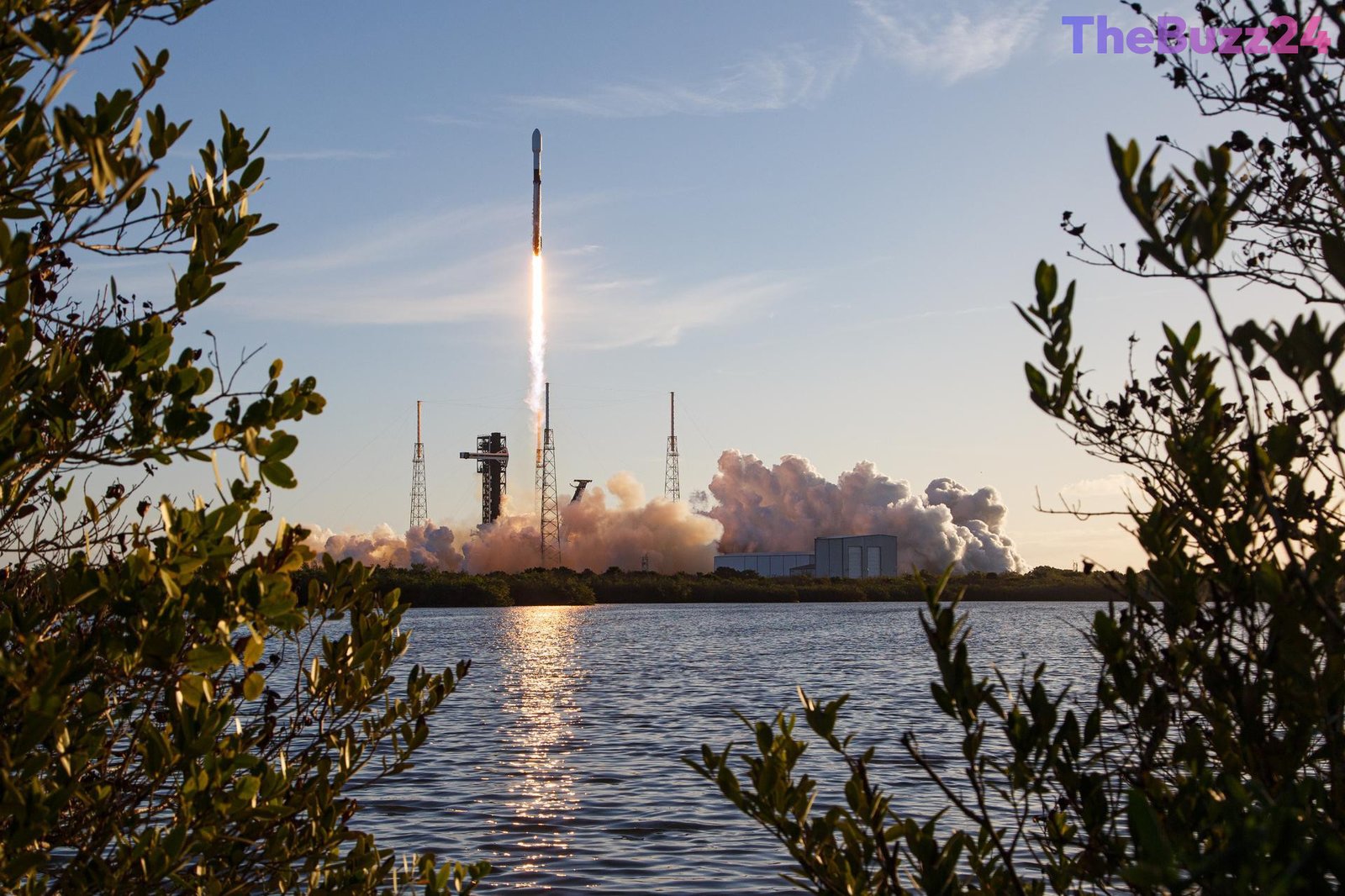
NASA, in partnership with Northrop Grumman and SpaceX, is finalizing preparations for the upcoming Commercial Resupply Services 25 (CRS-25) mission. The mission is scheduled to launch no earlier than 10:47 a.m. EST on Sunday, Nov. 29, from Space Launch Complex 40 at Cape Canaveral Space Force Station in Florida. The mission will utilize a SpaceX Falcon 9 rocket to propel the Cygnus XL spacecraft, officially named the S.S. James “Jim” A. Lovell, into orbit.
The spacecraft is loaded with approximately 11,000 pounds of critical cargo, including scientific research equipment, supplies, and hardware essential for the continued operation of the International Space Station. Among the key research initiatives being transported are experiments focused on advancing drug delivery methods for cancer and osteoarthritis, predictive modeling for cancer progression, and new technologies to mitigate muscle loss in microgravity. Additionally, the mission will deliver hardware to improve radiation sensing and enhance food production capabilities for future long-duration space exploration.
Upon reaching the orbiting laboratory, the Cygnus XL is expected to be captured by the station’s Canadarm2 robotic arm on Tuesday, Dec. 1, under the guidance of NASA astronauts Jessica Watkins and Luke Delaney. Once secured to the Unity module, the crew will begin the unloading process. The spacecraft is slated to remain docked at the station until May 2027, at which point it will be loaded with disposal items and unneeded cargo before departing for a controlled re-entry into Earth’s atmosphere.
Key Takeaways
- The CRS-25 mission will deliver 11,000 pounds of supplies and scientific experiments to the International Space Station via a SpaceX Falcon 9 rocket.
- Research highlights include advancements in cancer treatment, muscle loss mitigation, and sustainable food production for deep-space missions.
- The Cygnus XL spacecraft, named the S.S. James “Jim” A. Lovell, is scheduled to remain at the station until May 2027.
Editor’s Analysis & Impact
The CRS-25 mission underscores the critical reliance of the International Space Station on commercial partnerships to maintain its operational tempo. By leveraging SpaceX’s launch capabilities for Northrop Grumman’s cargo vehicle, NASA continues to optimize its logistics chain for low-Earth orbit operations. The specific focus on medical research—particularly drug delivery and muscle atrophy—highlights the station’s role as a unique laboratory for terrestrial health breakthroughs. As NASA shifts its gaze toward long-duration missions to the Moon and Mars, the technologies tested during this mission, such as advanced food production and radiation sensing, serve as vital precursors to deep-space survival. The industry trend toward modular, commercialized resupply remains a cornerstone of the modern space economy, ensuring that private sector innovation directly fuels government-led scientific discovery.
Frequently Asked Questions
Q: What is the primary purpose of the CRS-25 mission?
A: The mission is designed to deliver approximately 11,000 pounds of science experiments, supplies, and equipment to the International Space Station to support ongoing research and station operations.
Q: Who was the S.S. James “Jim” A. Lovell spacecraft named after?
A: The spacecraft was named in honor of former NASA astronaut Jim Lovell, who flew on four historic missions, including Gemini VII, Gemini XII, Apollo 8, and the Apollo 13 mission.
AI Disclosure: This article is based on verified data and official reports. Our Team and AI have cross-referenced every financial detail with primary sources to ensure total accuracy.
More from this Category