Pakistan’s Solar Boom: A Grassroots Energy Revolution Challenges the National Grid
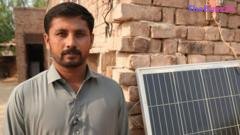
A quiet energy revolution is sweeping across Pakistan, where solar panels have transitioned from luxury items to essential household staples. Driven by soaring electricity tariffs and an unreliable national grid, millions of citizens are taking energy production into their own hands. In rural and urban areas alike, solar panels have become common wedding gifts and standard home installations, with approximately seven million households now generating their own power. This rapid adoption, fueled by a 93% drop in the cost of imported solar technology, has seen the country’s solar energy share surge from 1% to 28% in just seven years.
However, this decentralized shift has placed the national power grid in a precarious position. As more households and industrial entities like textile mills move toward self-sufficiency, the grid faces a potential ‘utility death spiral.’ With fewer customers contributing to the fixed costs of maintaining national infrastructure, the financial burden falls on those who cannot afford solar technology, leading to a two-tier energy system. Government officials estimate that this exodus from the grid has already cost remaining consumers hundreds of millions of dollars annually, forcing a difficult re-evaluation of energy policies and net-metering regulations.
Despite these challenges, the government remains optimistic about integrating solar into a broader, cleaner energy future. Plans are underway to modernize the grid, improve storage capabilities, and reduce reliance on expensive, imported fossil fuels. While critics argue that shifting regulations have hindered the transition for small businesses, the momentum toward solar remains unstoppable. For many, like the families in rural Punjab, the goal is clear: total energy independence through a combination of expanded solar arrays and advanced battery storage systems.
Key Takeaways
- Pakistan has seen a massive surge in solar adoption, with solar power growing from 1% to 28% of the country's energy mix since 2018.
- The rapid shift to solar is driven by high grid electricity costs rather than government policy, creating a 'utility death spiral' where the grid loses revenue needed for maintenance.
- The government is now attempting to balance the solar boom with grid stability by renegotiating power contracts and investing in battery storage and infrastructure efficiency.
Editor’s Analysis & Impact
Pakistan’s experience serves as a critical case study for emerging economies navigating the energy transition. The country is currently caught between the benefits of rapid, consumer-led decarbonization and the structural risks of a collapsing state-run utility model. The ‘utility death spiral’ is a significant threat; if the grid becomes a ‘white elephant’ funded by a shrinking tax base, it could lead to severe social inequality. However, if the government successfully pivots to a model that integrates decentralized solar with robust storage and grid modernization, Pakistan could provide a blueprint for other developing nations. The future outlook depends on whether policymakers can transition from a reactive stance to a proactive regulatory framework that incentivizes grid-connected solar rather than total grid abandonment.
Frequently Asked Questions
Q: Why are Pakistanis switching to solar power so rapidly?
A: The primary driver is the rising cost of electricity from the national grid, combined with a significant decrease in the price of imported solar panels, making self-generation a more economically viable option for many households.
Q: What is the 'utility death spiral' mentioned in the article?
A: It refers to a scenario where declining demand for grid electricity forces the utility to raise prices to cover fixed maintenance costs, which in turn drives more customers to switch to solar, further eroding the utility's revenue base.
AI Disclosure: This article is based on verified data and official reports. Our Team and AI have cross-referenced every financial detail with primary sources to ensure total accuracy.
More from this Category